What Affects Rates in Twin Falls
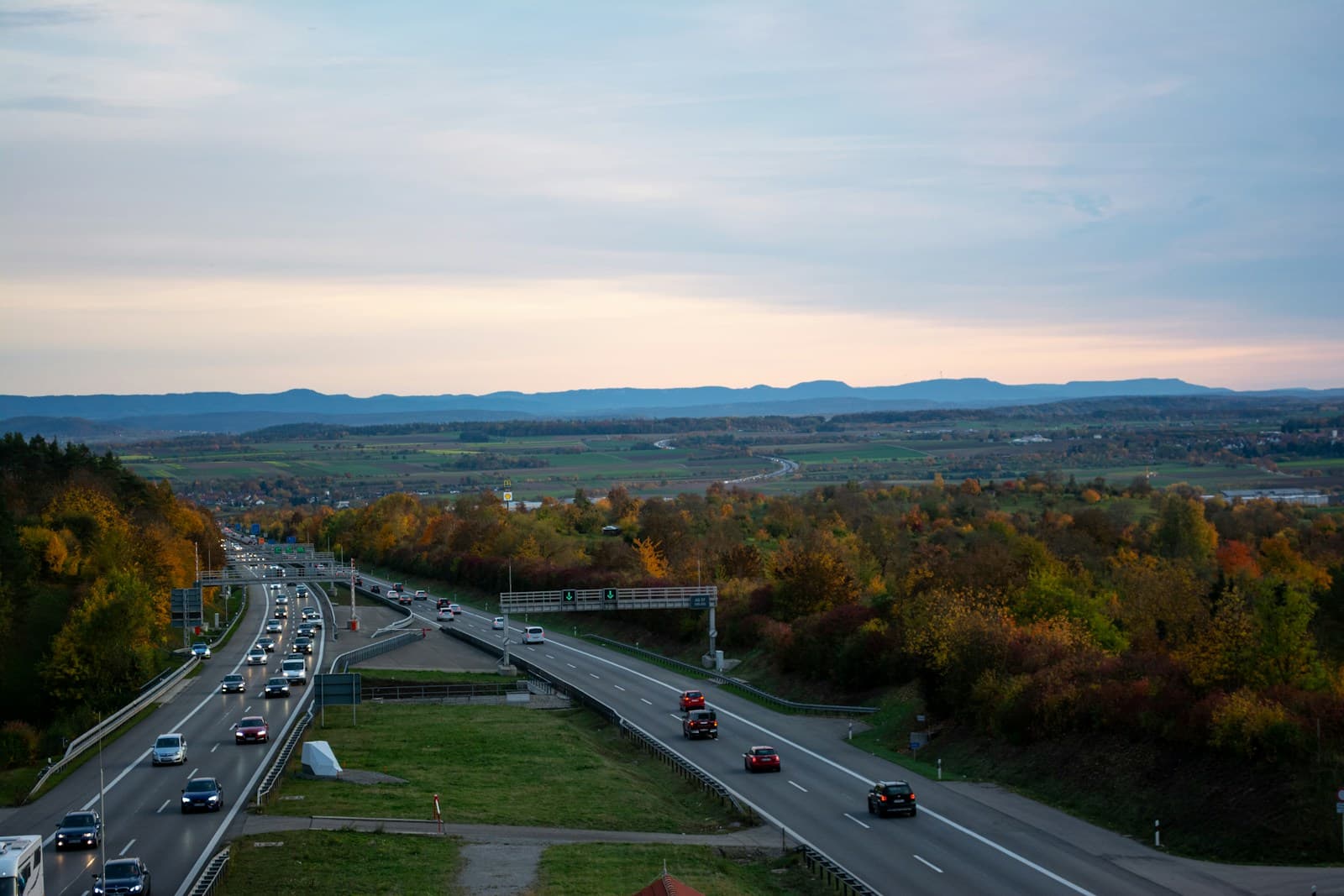
- Highway 93 and US-30 Corridor Traffic: Twin Falls sits at the intersection of major rural highways including US-93 and US-30, with high speeds and long stretches increasing accident severity. High-risk drivers face elevated premiums due to collision exposure on these routes, particularly during agricultural transport seasons when heavy truck traffic peaks.
- Southern Idaho Uninsured Driver Concentration: Southern Idaho counties including Twin Falls County show higher uninsured motorist rates than Boise metro areas, increasing claim costs when high-risk drivers are hit by uninsured parties. Carriers price this regional risk into SR-22 and non-standard policies, adding $15–$35/month to uninsured motorist coverage.
- Rural DUI Enforcement Patterns: Twin Falls County enforces DUI checkpoints along highway corridors and near city limits, with arrests processed through Fifth Judicial District Court. Repeat offenders face SR-22 requirements lasting three years from license reinstatement, with no early termination options in Idaho.
- Winter Weather on Canyon Rim Routes: Twin Falls' elevation at 3,740 feet and proximity to Snake River Canyon create ice and fog conditions on Pole Line Road, Blue Lakes Boulevard, and canyon access routes from November through March. High-risk drivers with at-fault winter accidents see 20–30% higher comprehensive and collision premiums due to claims history in adverse conditions.
- Limited Non-Standard Carrier Access: Twin Falls has fewer local non-standard insurance offices than Boise, meaning high-risk drivers often secure coverage through regional carriers or assigned risk pools. This reduces competition and keeps SR-22 rates 10–15% higher than in larger Idaho metros where more specialty carriers operate.
Find out exactly how long SR-22 is required in your state
Coverage Recommendations
Cost estimates are based on available industry data and vary by driver profile. These are not insurance quotes.
SR-22 Insurance
Idaho requires SR-22 filing for three years following DUI convictions, license suspensions for violations, or at-fault accidents without insurance. The $25 state filing fee is paid through your carrier, and any lapse in coverage restarts the three-year clock from zero.
$25 filing fee + higher premiumEstimated range only. Not a quote.
Liability Insurance
Idaho mandates 25/50/15 liability minimums, but high-risk drivers should consider 50/100/25 or higher due to serious injury potential on highway corridors like US-93. Twin Falls juries in Fifth District Court have awarded damages exceeding state minimums in collision cases, leaving at-fault drivers personally liable for the gap.
$90–$180/mo for state minimumsEstimated range only. Not a quote.
Uninsured Motorist Coverage
Southern Idaho's elevated uninsured driver rates make this coverage critical for high-risk drivers who can't afford out-of-pocket costs if hit by an uninsured party. Carriers in Twin Falls typically price uninsured motorist at 15–20% of liability premium for non-standard policies.
$25–$50/mo additionalEstimated range only. Not a quote.
Non-Standard Auto Insurance
Drivers with multiple violations, DUIs, or SR-22 requirements often need non-standard carriers who accept high-risk profiles in Twin Falls. These policies cost 50–120% more than standard rates but provide the liability coverage required for reinstatement and legal driving.
$150–$280/mo typical rangeEstimated range only. Not a quote.