What Affects Rates in Chicago
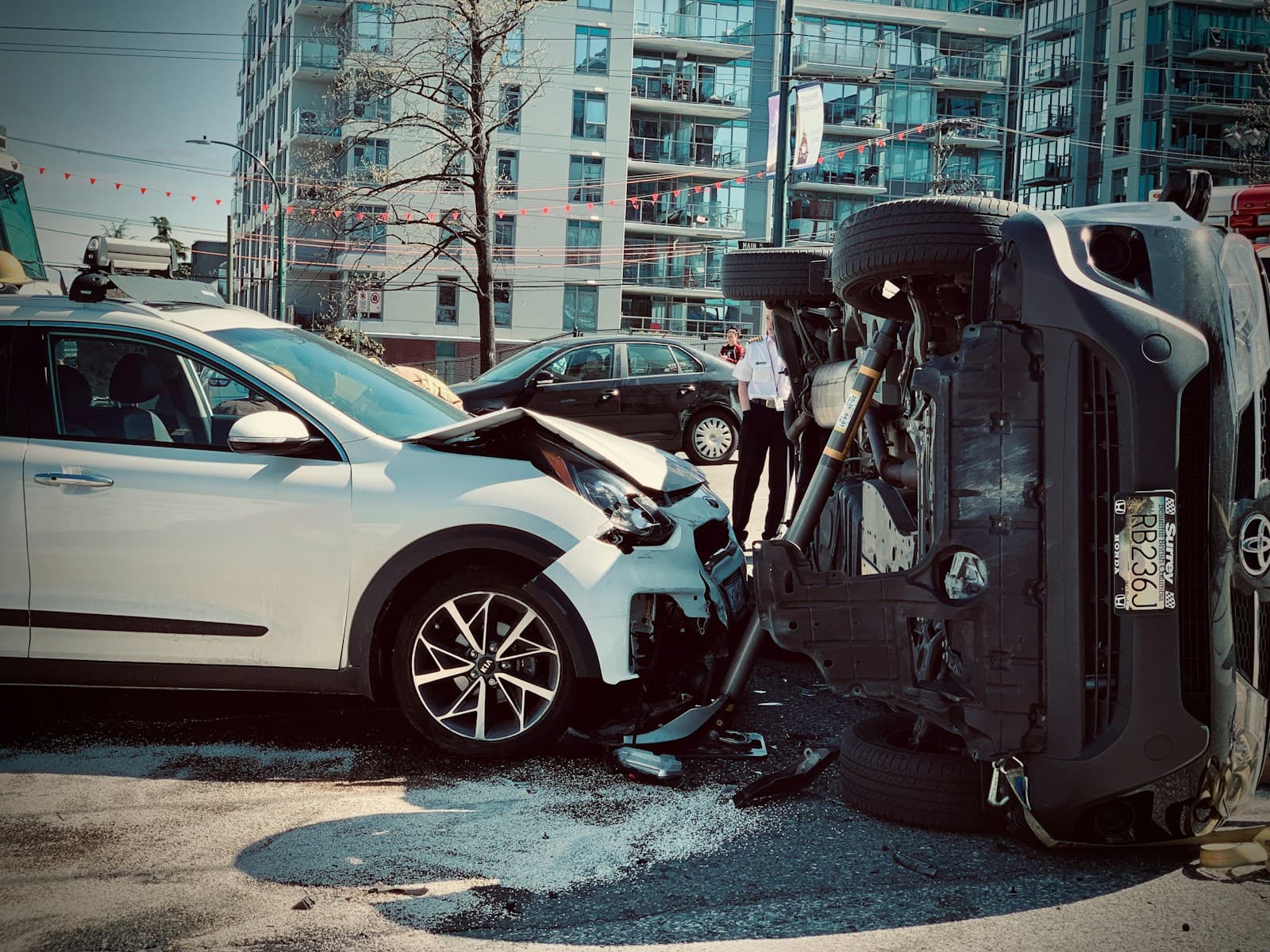
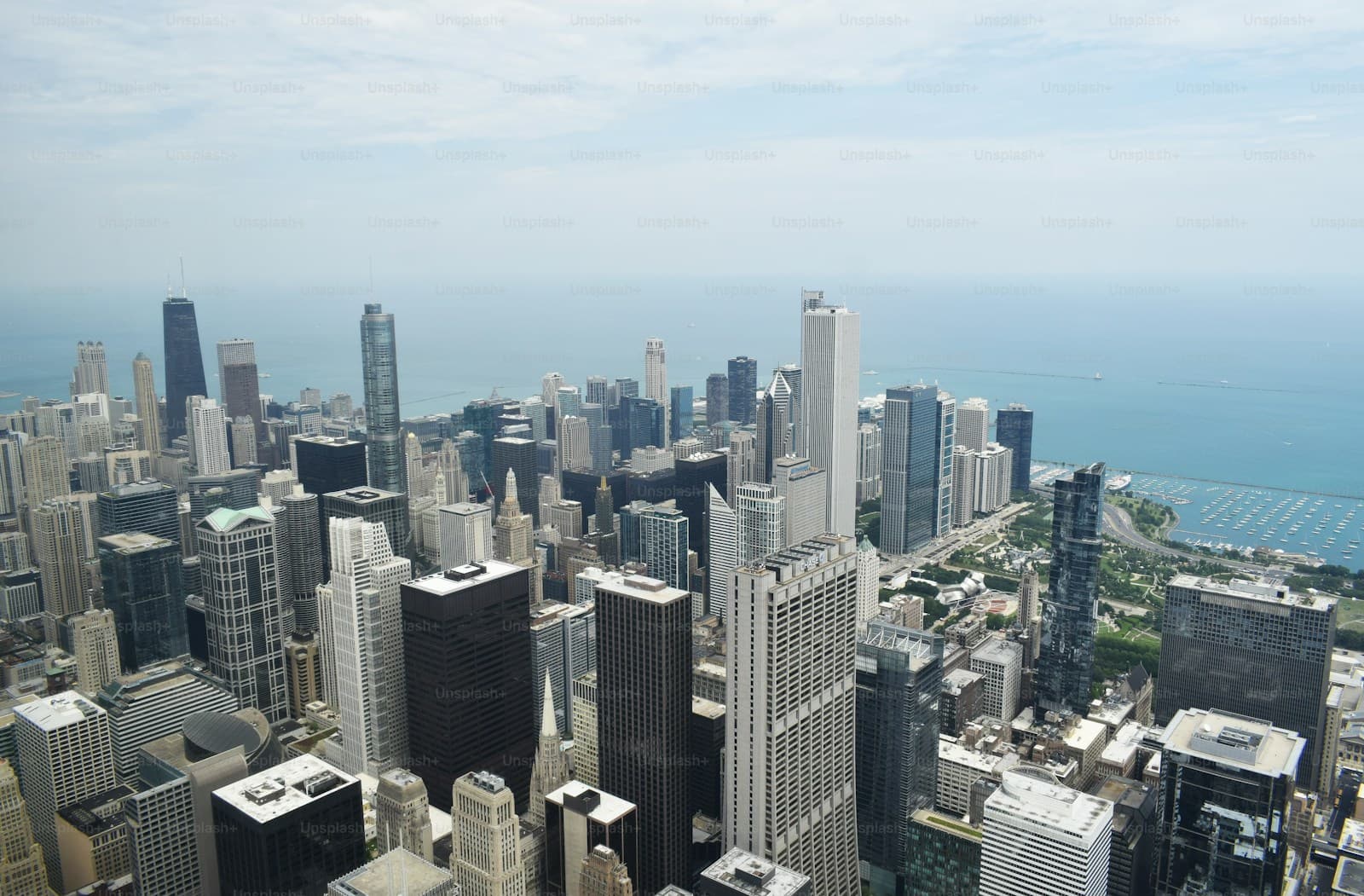
- Urban Density and Crash Frequency: Chicago's density produces higher accident rates than state averages, particularly in the Loop, Near North Side, and along I-290 and I-90/94 corridors. Insurers price high-risk policies higher here because another at-fault claim during your SR-22 period carries greater likelihood in congested zones.
- Uninsured Driver Concentration: Illinois carries a 15.9% uninsured motorist rate, with higher concentrations in Cook County. This elevates uninsured motorist coverage premiums and increases risk for drivers already carrying violations, since a hit from an uninsured driver can complicate your record further.
- DUI Court Processing in Cook County: Cook County Circuit Court processes thousands of DUI cases annually, and conviction triggers automatic SR-22 filing requirements. The court's summary suspension rules mean your SR-22 clock starts immediately, and any lapse restarts the 3-year period.
- Winter Weather Claim Spikes: Chicago winters produce elevated collision claims from November through March due to snow, ice, and freeze-thaw cycles. High-risk drivers see sharper rate increases after winter at-fault accidents because insurers view another claim as confirmation of elevated risk.
- Red Light and Speed Camera Enforcement: Chicago operates extensive automated enforcement; while camera tickets don't add points to your license, accumulating violations during an SR-22 period signals ongoing risk to underwriters reviewing your application.
Find out exactly how long SR-22 is required in your state
Coverage Recommendations
Cost estimates are based on available industry data and vary by driver profile. These are not insurance quotes.
SR-22 Insurance
SR-22 is a certificate filed by your insurer proving you carry at least Illinois minimum liability ($25,000/$50,000/$20,000). Required for 3 years following DUI, license suspension, driving uninsured, or certain violations. Any lapse in coverage restarts the 3-year clock.
$25–$50 filing fee plus elevated premiumsEstimated range only. Not a quote.
Liability Insurance
State minimums ($25,000 bodily injury per person, $50,000 per accident, $20,000 property damage) are inadequate in Chicago, where accident costs regularly exceed these limits. High-risk drivers should carry $100,000/$300,000/$100,000 if affordable to avoid personal exposure after another at-fault crash.
$150–$350/mo for high-risk drivers at state minimumsEstimated range only. Not a quote.
Uninsured Motorist Coverage
Critical in Cook County given the 15.9% uninsured rate. Covers your injuries and damage when hit by an uninsured or underinsured driver. Illinois requires insurers to offer it; rejection must be in writing. Costs $10–$30/month additional for high-risk policies.
$10–$30/mo added costEstimated range only. Not a quote.
Non-Standard Auto Insurance
Policies written by carriers specializing in high-risk drivers: those with DUIs, multiple violations, SR-22 requirements, or lapses. These carriers operate throughout Chicago and often provide the only available coverage immediately post-violation, though at 2–4× standard rates.
$200–$400/mo typical for basic coverageEstimated range only. Not a quote.