What Affects Rates in Overland Park
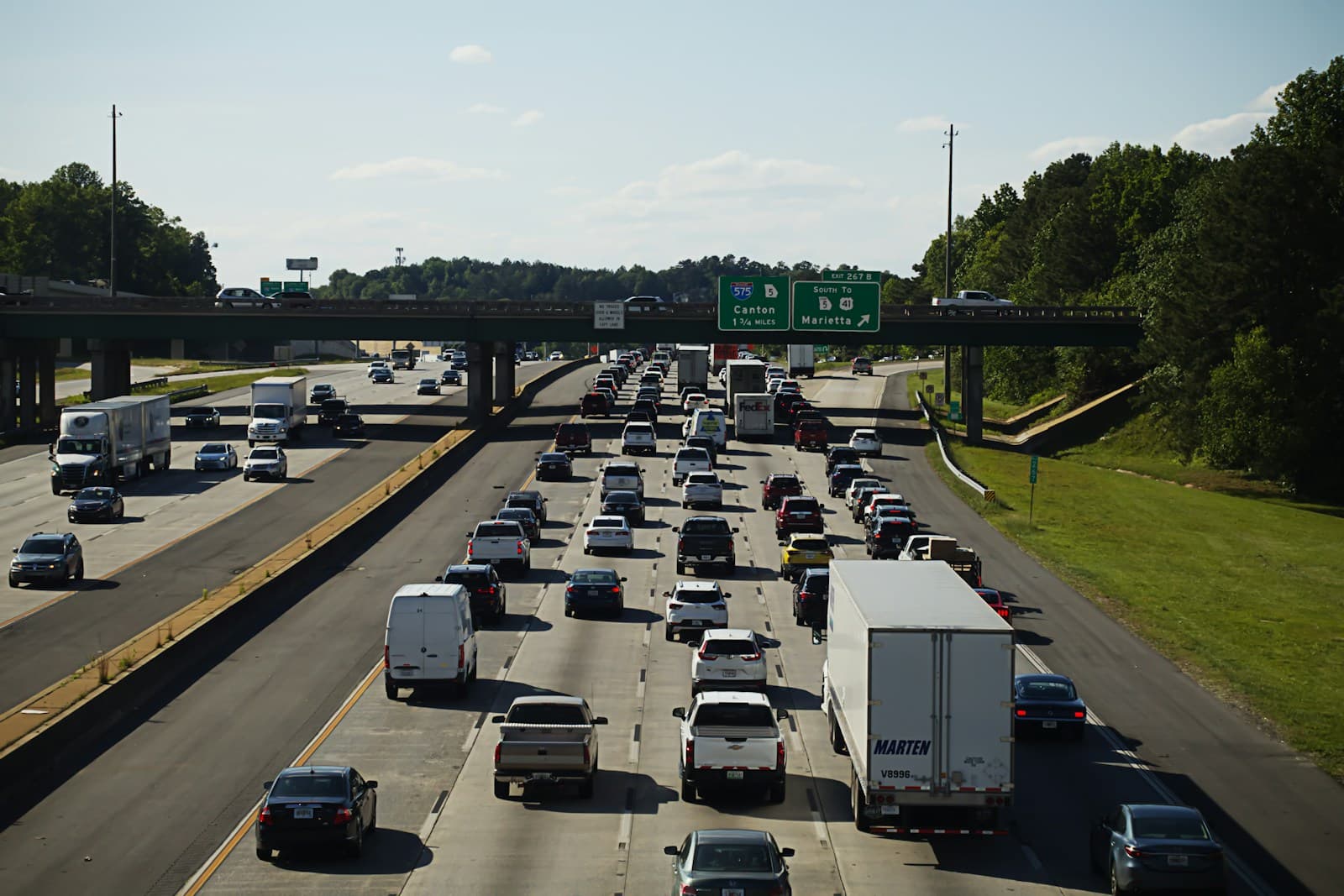
- I-435 and US-69 Corridor Accident Density: Overland Park sits at the intersection of I-435 and US-69, two of Johnson County's highest-traffic routes with elevated accident frequency during rush periods. High-risk drivers with at-fault accidents or multiple violations face steeper surcharges here due to the statistical likelihood of repeat incidents in heavy-commute zones.
- Johnson County Court System and SR-22 Triggers: Johnson County District Court in Olathe processes DUI and reckless driving cases that trigger SR-22 requirements; conviction timelines and plea options directly affect when your SR-22 clock starts. Kansas requires 2 years of continuous SR-22 coverage from the conviction or reinstatement date, and any lapse restarts the period.
- Suburban Claim Frequency vs. Urban Kansas City Rates: While Overland Park has lower theft and vandalism rates than Kansas City proper, its sprawling layout and car-dependent commute patterns mean higher mileage exposure for high-risk drivers. Carriers price comprehensive and collision higher for drivers with violations who log 15,000+ annual miles on metro routes.
- Non-Standard Carrier Concentration in Kansas City Metro: Overland Park is served by multiple non-standard carriers operating throughout the Kansas City metro—including The General, Bristol West, and Dairyland—giving high-risk drivers more quote options than rural Kansas markets. Competition among these carriers can lower premiums by 15–25% compared to single-carrier rural counties.
- Winter Weather and At-Fault Collision Risk: Ice storms and freezing rain between December and February increase at-fault collision risk on Overland Park's primary commuter routes. High-risk drivers with prior at-fault accidents see winter-month claims weighted more heavily in underwriting, particularly if the prior incident occurred in adverse conditions.

Find out exactly how long SR-22 is required in your state
Coverage Recommendations
Cost estimates are based on available industry data and vary by driver profile. These are not insurance quotes.
SR-22 Insurance
Kansas-mandated SR-22 is a certificate filed by your insurer proving you carry at least 25/50/25 liability. The filing itself costs $25–$50, but the DUI, suspension, or violation that triggered it can double or triple your premium for 2–3 years.
$25–$50 filing fee; underlying premium $150–$350/moEstimated range only. Not a quote.
State Minimum Liability
Kansas requires 25/50/25 coverage—$25,000 per person for injury, $50,000 per accident, $25,000 property damage. High-risk drivers often start here to meet SR-22 requirements, though these limits leave significant personal exposure in serious accidents on I-435 or metro corridors.
$100–$250/mo for high-risk driversEstimated range only. Not a quote.
Uninsured Motorist Coverage
Roughly 7% of Kansas drivers are uninsured, with enforcement concentrated along major Overland Park routes. UM coverage protects you if an uninsured driver causes an accident—critical for high-risk drivers who can't afford out-of-pocket injury costs while managing elevated premiums.
Adds $15–$40/mo to high-risk policiesEstimated range only. Not a quote.
Non-Standard Auto Insurance
Non-standard carriers in Overland Park specialize in high-risk profiles—DUIs, lapses, multiple violations. These policies often cost 40–60% less than standard-market high-risk surcharges, with options for monthly payment plans and immediate SR-22 filing.
$150–$300/mo depending on violation severityEstimated range only. Not a quote.