What Affects Rates in Baton Rouge
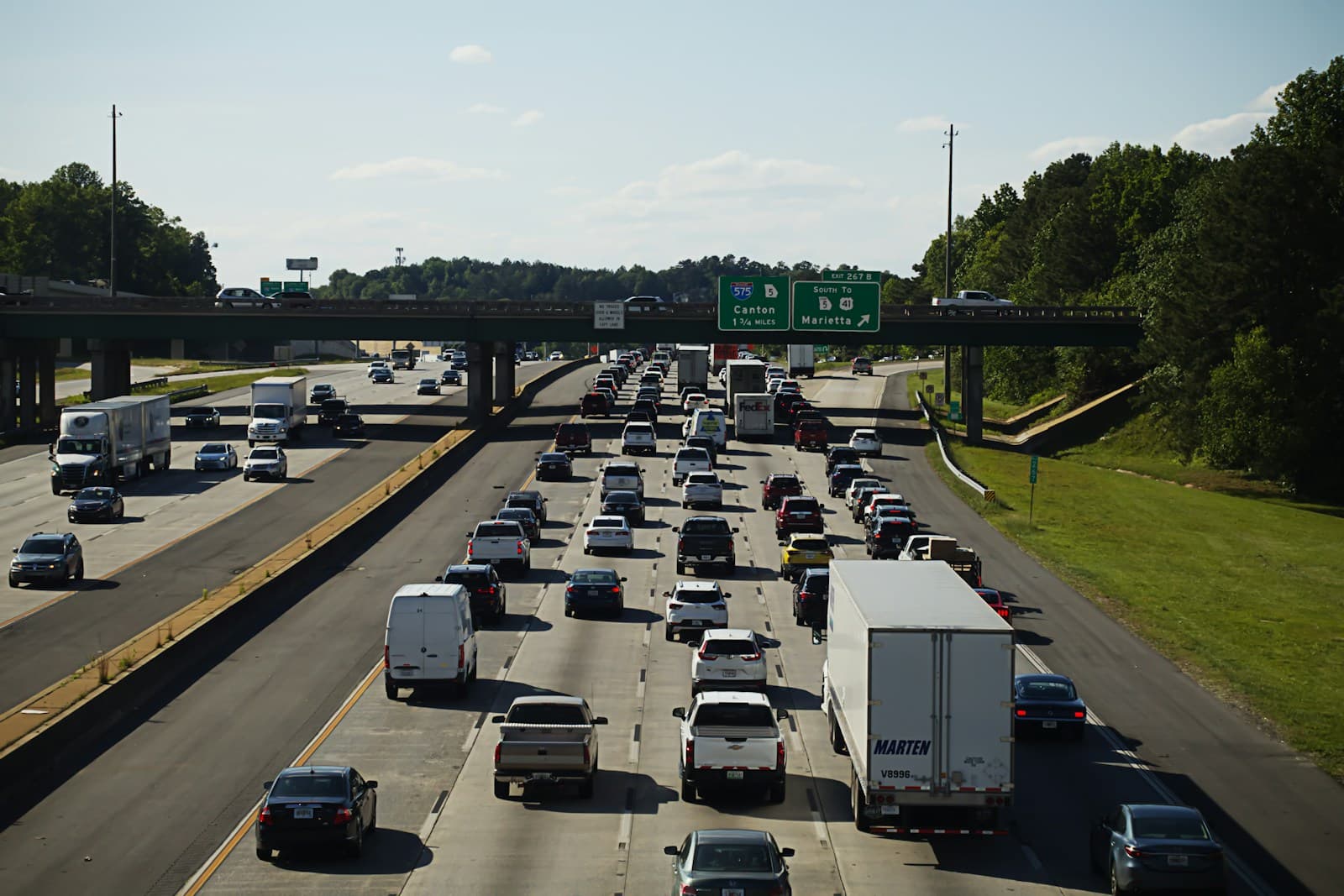
- Interstate Corridor Accident Density: Baton Rouge sits at the I-10/I-12 junction with heavy truck traffic and commuter congestion, particularly through the College Drive and Essen Lane interchanges. High-risk drivers face elevated collision risk assessments due to the city's position as a major freight and port hub with accident concentrations on I-10 between the Mississippi River Bridge and Airline Highway.
- Uninsured Motorist Exposure: Louisiana's 14.7% uninsured driver rate means Baton Rouge insurers price higher uninsured motorist coverage into high-risk policies, especially for drivers with prior at-fault claims. This concentration is particularly relevant in East Baton Rouge Parish, where collision with uninsured drivers adds claim severity to already-elevated high-risk profiles.
- Weather and Flood Risk: Baton Rouge's subtropical climate brings frequent severe thunderstorms, flash flooding along Bayou Manchac and the Amite River basin, and occasional hurricane exposure. High-risk drivers face higher comprehensive premiums due to elevated claim frequency in flood-prone areas south of Florida Boulevard and near the LSU Lakes.
- DUI Court Processing Through 19th JDC: DUI cases in East Baton Rouge Parish are processed through the 19th Judicial District Court, where conviction triggers Louisiana's mandatory three-year SR-22 filing requirement. Insurers track this court's DUI conviction patterns, with first-offense rates reflected in local non-standard carrier pricing models.
- SR-22 Carrier Availability: Baton Rouge has access to regional non-standard carriers including Louisiana Farm Bureau, Direct Auto, and Progressive's high-risk division, plus national SR-22 specialists. Local independent agents along Florida Boulevard and Sherwood Forest Boulevard specialize in high-risk placement, often securing better rates than direct-to-consumer options for complex violation histories.

Find out exactly how long SR-22 is required in your state
Coverage Recommendations
Cost estimates are based on available industry data and vary by driver profile. These are not insurance quotes.
SR-22 Insurance
Required for three years in Louisiana following DUI, reckless driving, driving without insurance, or license suspension. The SR-22 itself is a certificate filed by your insurer to the Louisiana OMV confirming continuous coverage; filing fee runs $25–$50, but the underlying high-risk policy drives the rate increase of 60–150% over standard premiums.
$175–$350/month in Baton RougeEstimated range only. Not a quote.
Liability Insurance
Louisiana requires 15/30/25 minimums ($15,000 bodily injury per person, $30,000 per accident, $25,000 property damage). High-risk drivers often carry state minimums to reduce premiums, but Baton Rouge's high uninsured rate and dense traffic make higher limits—50/100/50 or more—worth considering to avoid out-of-pocket exposure in multi-vehicle crashes on I-10 or Airline Highway.
State minimum: $90–$200/month for high-riskEstimated range only. Not a quote.
Uninsured Motorist Coverage
Louisiana law requires insurers to offer uninsured/underinsured motorist coverage matching your liability limits unless you reject it in writing. With 14.7% of Louisiana drivers uninsured and Baton Rouge's high accident density, this coverage protects high-risk drivers from paying twice—once in elevated premiums, again in medical bills after being hit by an uninsured driver.
Adds $20–$60/month to high-risk policyEstimated range only. Not a quote.
Non-Standard Auto Insurance
Baton Rouge drivers with multiple violations, DUIs, or lapses often need non-standard carriers that specialize in high-risk placement. These insurers price for elevated risk but maintain Louisiana OMV compliance, offering monthly payment plans and SR-22 filing services standard carriers won't provide.
$175–$400/month depending on violation historyEstimated range only. Not a quote.