What Affects Rates in Shreveport
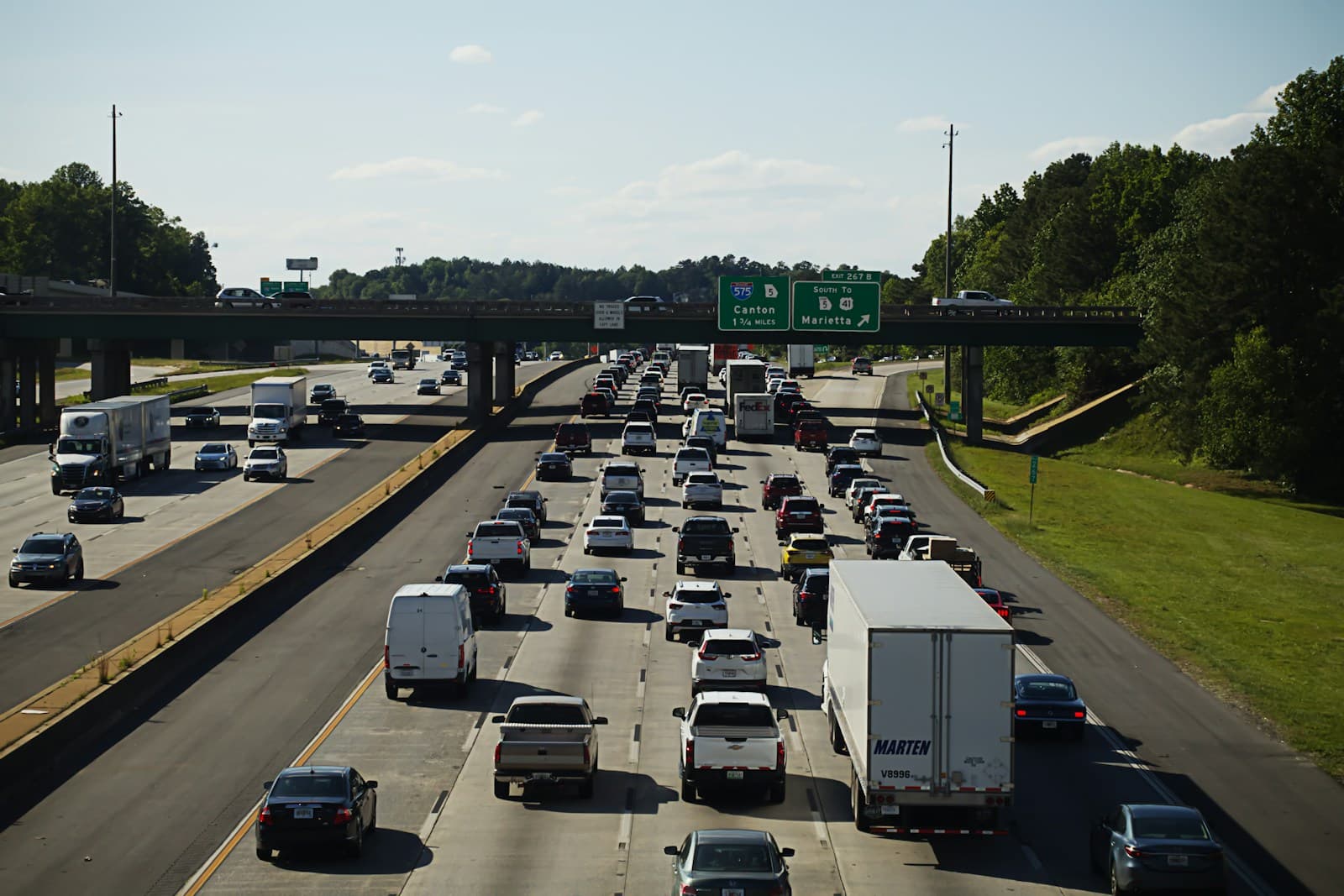
- I-20 and I-49 Corridor Accident Density: Shreveport sits at the intersection of I-20 and I-49, creating elevated accident frequency in the downtown and Youree Drive corridors. High-risk drivers face steeper increases here due to higher claim exposure along these routes, particularly near the Texas Street interchange and South Shreveport industrial zones.
- Caddo Parish Court SR-22 Processing: DUI and suspended license cases processed through Caddo Parish courts require SR-22 filing before reinstatement, with the Louisiana Office of Motor Vehicles mandating continuous 3-year coverage. Any lapse triggers an automatic extension, restarting the clock for high-risk drivers in the Shreveport metro.
- Cross-Lawline, Texas Borderline Impact: Shreveport's proximity to the Texas border increases uninsured motorist exposure, with cross-state commuters and out-of-state violations complicating high-risk profiles. Drivers with Texas DUIs relocating to Shreveport face Louisiana SR-22 requirements and elevated premiums due to multi-state risk flagging.
- Severe Weather and Flooding Risk: Shreveport averages 59 inches of annual rainfall with recurring Red River flooding affecting low-lying areas near Ledbetter Heights and Queensborough. High-risk drivers adding comprehensive coverage see 15–25% premium increases due to heightened comprehensive claim frequency in flood-prone ZIP codes.
- Limited Non-Standard Carrier Competition: Northwest Louisiana has fewer non-standard carriers than metro areas like New Orleans or Baton Rouge, reducing competitive pricing pressure for high-risk drivers. Shreveport residents often rely on regional or national non-standard insurers, resulting in tighter rate ranges compared to larger Louisiana markets.

Find out exactly how long SR-22 is required in your state
Coverage Recommendations
Cost estimates are based on available industry data and vary by driver profile. These are not insurance quotes.
SR-22 Insurance
Required for 3 years following DUI, reckless driving, or driving without insurance convictions in Louisiana. The SR-22 is a certificate your insurer files with the Louisiana OMV proving continuous liability coverage at state minimums ($15,000/$30,000/$25,000); any lapse restarts the 3-year period.
$15–$50 filing fee plus underlying high-risk premiumEstimated range only. Not a quote.
Liability Insurance
Louisiana minimums of $15,000 per person/$30,000 per accident for bodily injury and $25,000 for property damage are mandatory for SR-22 filers. High-risk drivers in Shreveport should consider $50,000/$100,000/$50,000 limits due to pure comparative fault rules that can expose assets in multi-vehicle accidents along I-20 and I-49.
$120–$240/month for state minimums with violationsEstimated range only. Not a quote.
Uninsured Motorist Coverage
With Louisiana's uninsured driver rate at 13%, Shreveport drivers with existing violations face compounded financial risk if hit by uninsured motorists. UM coverage is optional in Louisiana but critical for high-risk drivers who cannot afford out-of-pocket costs from another at-fault uninsured accident.
$30–$60/month added to high-risk policyEstimated range only. Not a quote.
Non-Standard Auto Insurance
Carriers specializing in high-risk profiles—including drivers with DUIs, multiple violations, or SR-22 requirements—operate in Shreveport through national and regional non-standard insurers. These policies bundle SR-22 filing and offer flexible payment plans for drivers transitioning from suspended or lapsed coverage status.
$180–$320/month full coverage with violationsEstimated range only. Not a quote.