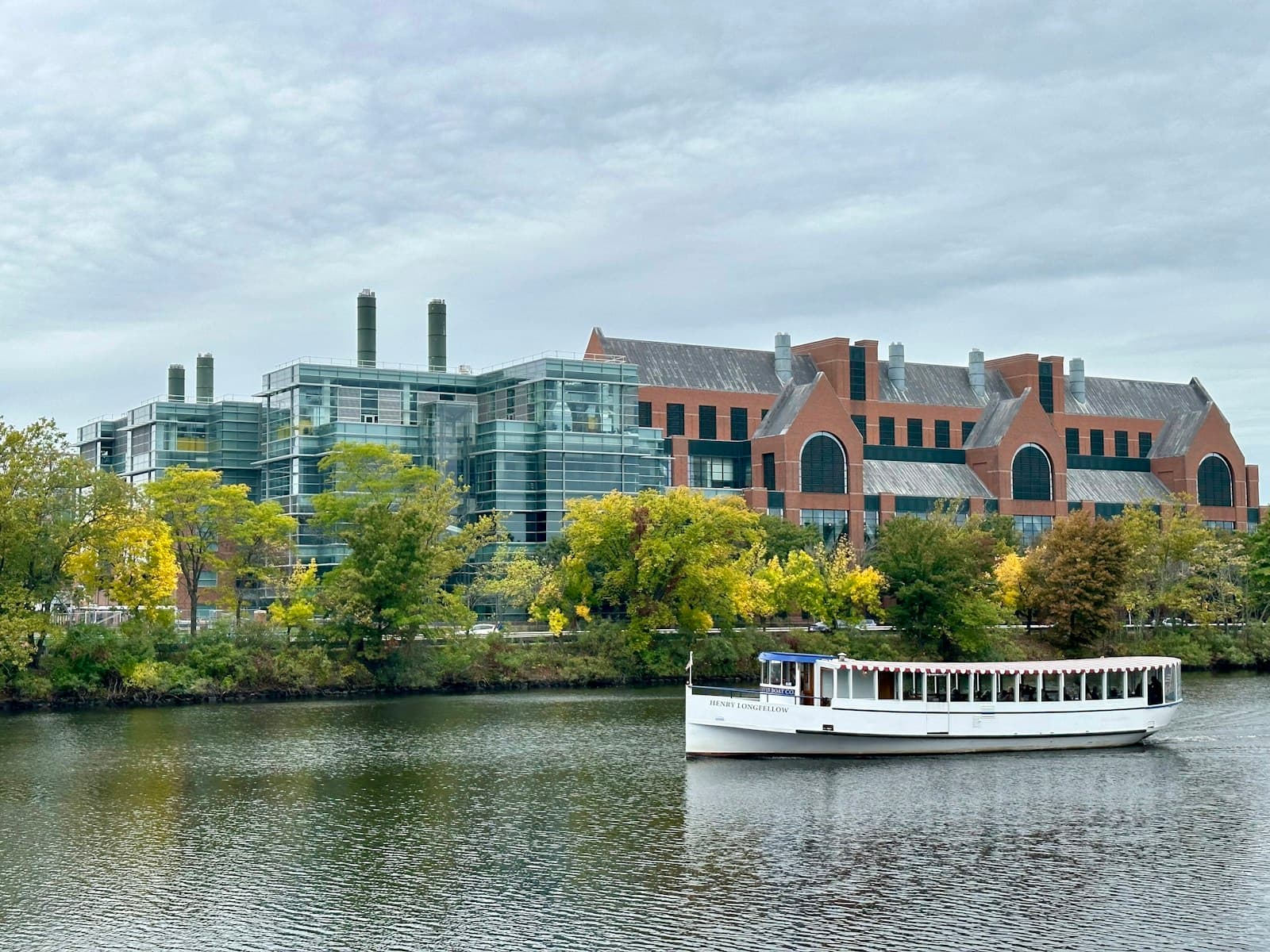
What Affects Rates in Cambridge
- Urban Congestion and Accident Frequency: Cambridge's density exceeds 18,600 residents per square mile with heavy commuter traffic through Harvard and MIT corridors, increasing collision risk for high-risk drivers already facing elevated base rates. Stop-and-go patterns on Mass Ave and Memorial Drive create frequent minor accident exposure that compounds premium impact for drivers with existing violations.
- Public Transit Alternatives and Rate Negotiation: Extensive MBTA Red Line and bus coverage gives high-risk drivers leverage to request low-mileage discounts if they can document reduced driving, potentially cutting premiums 8–12% even with an SR-22 requirement. Insurers in metro Boston markets often adjust rates based on annual mileage below 7,500 miles.
- Graduate Student and Young Driver Population: Cambridge's concentration of university students creates a high-risk insurance market with more non-standard carriers actively competing here than in suburban Massachusetts cities. This competition can produce quote spreads of 40–60% between carriers for the same DUI or lapse profile.
- Winter Weather and Comprehensive Claims: Annual snowfall averaging 45–55 inches drives up comprehensive and collision costs for high-risk drivers, particularly those required to carry full coverage as SR-22 condition. Cambridge's narrow streets and limited overnight parking increase winter accident and towing claim frequency.
- Registry of Motor Vehicles Processing in Boston: SR-22 filings and reinstatement processing run through the Chinatown RMV service center, where high-risk drivers can face 3–6 week processing delays during peak periods. Any lapse in SR-22 coverage restarts the 3-year clock, making continuous payment critical in this administrative environment.
Find out exactly how long SR-22 is required in your state
Coverage Recommendations
Cost estimates are based on available industry data and vary by driver profile. These are not insurance quotes.
SR-22 Insurance
Massachusetts requires SR-22 for DUI convictions, major violations, and reinstatement after suspension, filed continuously for 3 years. The filing itself costs $25–$50, but the underlying high-risk policy in Cambridge typically runs $2,400–$4,800/year depending on violation severity and carrier.
$25–$50 filing + high-risk premiumEstimated range only. Not a quote.
State Minimum Liability
Massachusetts mandates $20,000 per person/$40,000 per accident bodily injury and $5,000 property damage, the floor for SR-22 compliance. High-risk drivers in Cambridge pay $1,800–$3,600/year for minimums alone after a DUI, though at-fault accidents in dense urban areas often exceed these limits, creating personal asset exposure.
$1,800–$3,600/year for minimumsEstimated range only. Not a quote.
Uninsured Motorist Coverage
Massachusetts requires UM/UIM matching liability limits unless rejected in writing, critical in Cambridge where urban density increases exposure to hit-and-run and underinsured drivers. Adding $50,000/$100,000 UM to a high-risk policy costs $200–$450/year, modest compared to medical bill risk in at-fault accidents.
$200–$450/year for enhanced limitsEstimated range only. Not a quote.
Non-Standard Auto Insurance
Carriers like The General, Acceptance, and regional Massachusetts non-standard insurers actively write policies in Cambridge for drivers with multiple violations or lapses who cannot access standard markets. Expect premiums 60–120% above standard rates, with potential for tier improvement after 2–3 clean years.
60–120% above standard ratesEstimated range only. Not a quote.