What Affects Rates in Lowell
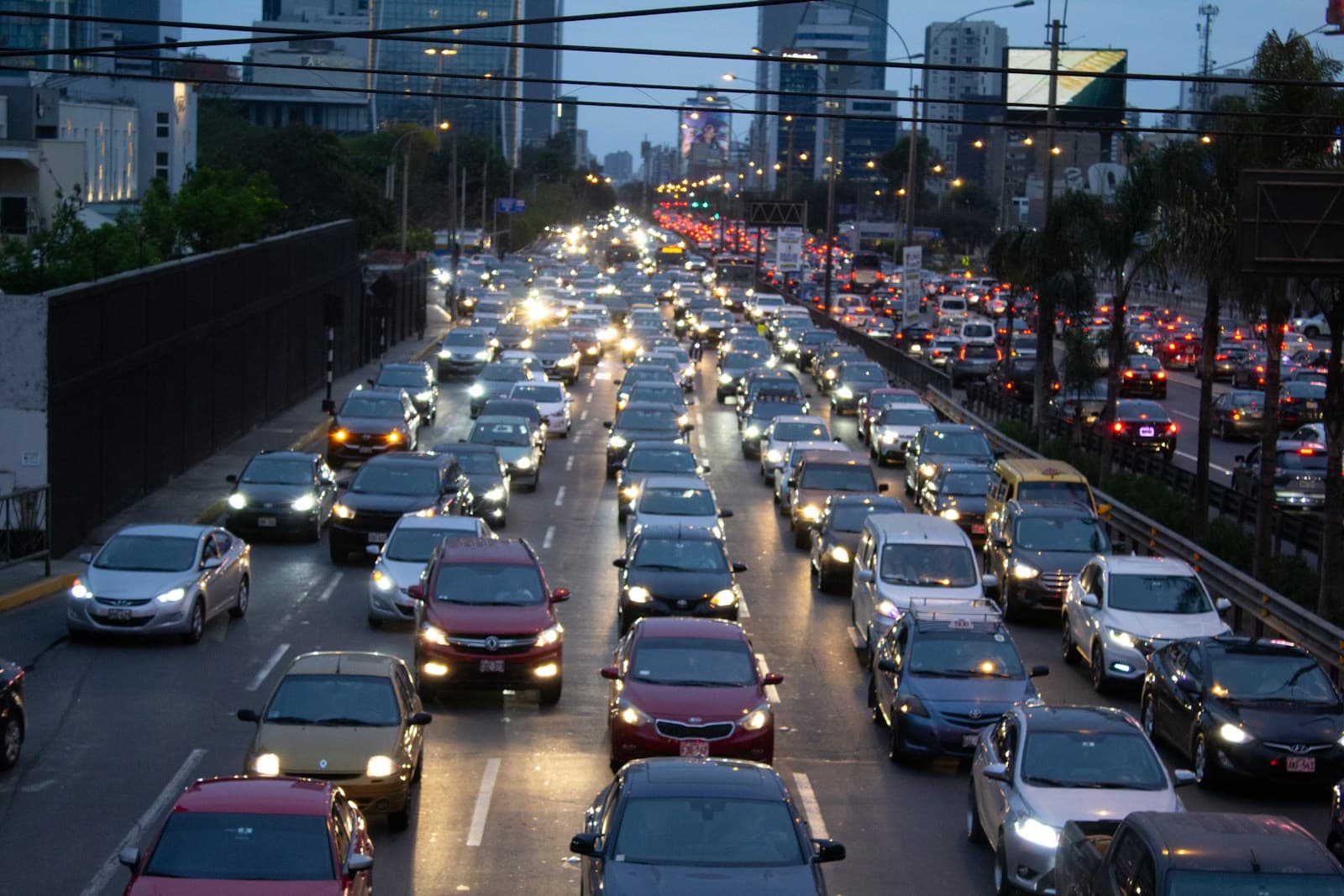
- Dense Urban Traffic Patterns: Lowell's compact downtown grid and congestion along Middlesex Street, Gorham Street, and near the Gallagher Terminal create elevated accident frequency. High-risk drivers face steeper premiums in zones with frequent stop-and-go traffic and pedestrian crossings, where minor violations and rear-end collisions accumulate quickly.
- I-495 and Route 3 Corridor Exposure: Lowell sits at the junction of I-495 and Route 3, where highway speeds and merge zones contribute to higher-severity accidents. Drivers with prior at-fault accidents or reckless driving convictions see amplified rate increases due to insurers' underwriting of commute routes through these high-claim corridors.
- Uninsured Motorist Concentration: Middlesex County's urban core, including Lowell, shows higher uninsured driver rates than surrounding suburban communities. High-risk drivers should prioritize uninsured motorist coverage, as collision claims involving uninsured parties can escalate out-of-pocket costs and further damage insurability.
- Winter Weather Claim Frequency: Lowell averages 50+ inches of snow annually, with ice and slush conditions from December through March. Drivers with prior at-fault accidents face higher comprehensive and collision premiums, as insurers factor seasonal claim spikes from weather-related incidents into high-risk profiles.
- Lowell District Court Processing: SR-22 triggers and license reinstatement processing flow through Lowell District Court and the RMV's Wilmington office. Delays in court documentation or RMV processing can extend SR-22 filing periods, so high-risk drivers should confirm filing receipt with both the court and insurer to avoid coverage gaps that restart the 5-year clock.
Find out exactly how long SR-22 is required in your state
Coverage Recommendations
Cost estimates are based on available industry data and vary by driver profile. These are not insurance quotes.
SR-22 Insurance
Massachusetts requires SR-22 filings for 5 years following DUI convictions, multiple at-fault accidents, driving without insurance, or license suspensions. The SR-22 itself is a proof-of-coverage form filed by your insurer to the RMV; the underlying policy must meet state minimums of $20,000/$40,000 bodily injury and $5,000 property damage, though higher limits reduce financial exposure in Lowell's dense traffic.
$25–$50 filing fee; policy premiums $2,400–$4,800/yearEstimated range only. Not a quote.
Liability Insurance
Massachusetts mandates $20,000/$40,000 bodily injury and $5,000 property damage minimums, but high-risk drivers in Lowell should consider $100,000/$300,000 limits due to elevated accident severity on I-495 and urban pedestrian exposure. Minimum coverage leaves you vulnerable to lawsuits exceeding policy limits, which can attach wages and assets after a serious claim.
Minimum limits: $1,200–$2,400/year for high-risk; higher limits add $400–$800/yearEstimated range only. Not a quote.
Uninsured Motorist Coverage
Optional but critical in Lowell, where uninsured driver rates run higher than state suburban averages. If you're hit by an uninsured driver and carry only minimum liability, you'll cover your own medical bills and vehicle damage out-of-pocket. Policies typically mirror your liability limits; high-risk drivers should match or exceed bodily injury limits to protect against gaps.
$200–$500/year for $100,000/$300,000 coverageEstimated range only. Not a quote.
Non-Standard Auto Insurance
Drivers with multiple DUIs, suspended licenses, or repeated lapses often cannot secure standard policies and must use non-standard carriers that specialize in high-risk profiles. These policies cost 40–70% more than standard rates but offer the only path to legal coverage and SR-22 filing in Lowell. Rates drop as your record clears, typically after 3–5 years violation-free.
$3,600–$6,000/year for full coverage; liability-only $2,000–$3,600/yearEstimated range only. Not a quote.