What Affects Rates in Billings
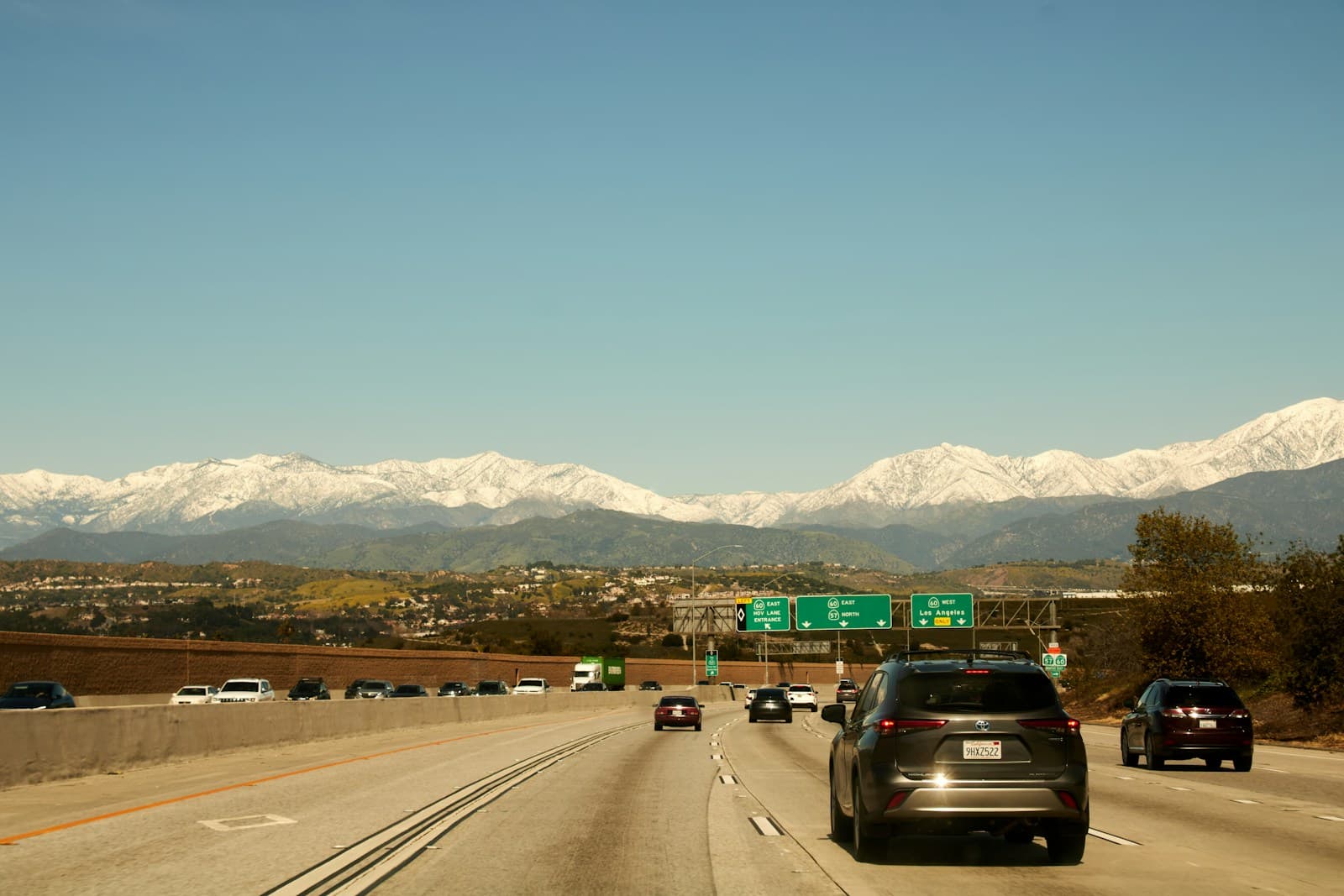
- Rural Highway Crash Density: Billings sits at the intersection of I-90 and I-94, with rural highways generating higher-severity crashes due to speed and distance from medical care. High-risk drivers with prior at-fault accidents face steeper rate increases here than in purely urban markets, as insurers price for elevated collision and injury costs on high-speed corridors.
- Yellowstone County Court SR-22 Volume: Yellowstone County District Court in Billings processes the majority of Montana's DUI and serious traffic cases, generating a steady volume of SR-22 mandates. This creates a competitive non-standard insurance market with multiple carriers willing to file, but also means local underwriters are cautious with repeat offenders or drivers with DUI convictions under two years old.
- Winter Weather and Lapse Risk: Billings averages 56 inches of snow annually, with black ice and whiteout conditions on I-90 from November through March. Drivers with prior lapses or suspensions face higher premiums because insurers view winter driving as elevated risk for non-standard profiles, particularly those with recent collision history.
- High Uninsured Motorist Rate: Montana's uninsured motorist rate hovers near 12%, among the highest in the northern Plains. High-risk drivers are often quoted higher uninsured motorist coverage costs because insurers assume elevated exposure: drivers with violations are statistically more likely to encounter uninsured drivers in urban Billings and on rural routes.
- Limited Non-Standard Carrier Presence: Billings has fewer brick-and-mortar non-standard auto insurance offices than larger western cities, with most high-risk policies written through national carriers or independent agents representing multiple companies. Drivers with recent DUIs or multiple violations may need to compare 4–6 carriers to find affordable SR-22 coverage, as local availability varies by violation type and timing.
Find out exactly how long SR-22 is required in your state
Coverage Recommendations
Cost estimates are based on available industry data and vary by driver profile. These are not insurance quotes.
SR-22 Insurance
An SR-22 is a certificate filed by your insurer to the Montana Motor Vehicle Division proving you carry at least state minimum liability. In Billings, the filing costs $25–$50 one-time, but the underlying policy premium rises significantly—expect $150–$350/month for full coverage depending on your violation. The SR-22 stays active for three years from reinstatement; any lapse triggers a new suspension.
$25–$50 filing + elevated premiumEstimated range only. Not a quote.
Liability Insurance
Montana requires $25,000 bodily injury per person, $50,000 per accident, and $20,000 property damage. High-risk drivers in Billings often pay $80–$150/month for state minimums alone, double the standard rate, because insurers price for elevated claim likelihood. Liability-only is the cheapest legal path, but leaves you unprotected for damage to your own vehicle in at-fault crashes common on icy I-90 stretches.
$80–$150/mo minimum coverageEstimated range only. Not a quote.
Uninsured Motorist Coverage
With Montana's uninsured driver rate near 12%, uninsured motorist coverage protects you when hit by a driver with no insurance or inadequate limits. High-risk drivers in Billings pay $15–$40/month to add this coverage, but it's critical: if you're in a not-at-fault accident on Highway 87 or South 27th Street and the other driver flees or lacks coverage, you're covered for medical bills and vehicle damage without suing out-of-pocket.
$15–$40/mo additionalEstimated range only. Not a quote.
Non-Standard Auto Insurance
Non-standard policies are designed for drivers who can't qualify for standard coverage due to DUIs, suspensions, or multiple violations. In Billings, carriers like The General, Bristol West, and Acceptance write these policies with higher base rates but more flexible underwriting. Full coverage through a non-standard carrier typically costs $180–$350/month, with rates dropping 15–25% after two years of clean driving and SR-22 maintenance.
$180–$350/mo full coverageEstimated range only. Not a quote.