What Affects Rates in Omaha
- Douglas County Court Processing Times: DUI cases processed through Douglas County courts can result in license suspension averaging 6–12 months depending on BAC level and prior offenses. Drivers often need SR-22 immediately upon reinstatement, and any gap in filing restarts the three-year requirement, making continuous coverage critical in Omaha's court system.
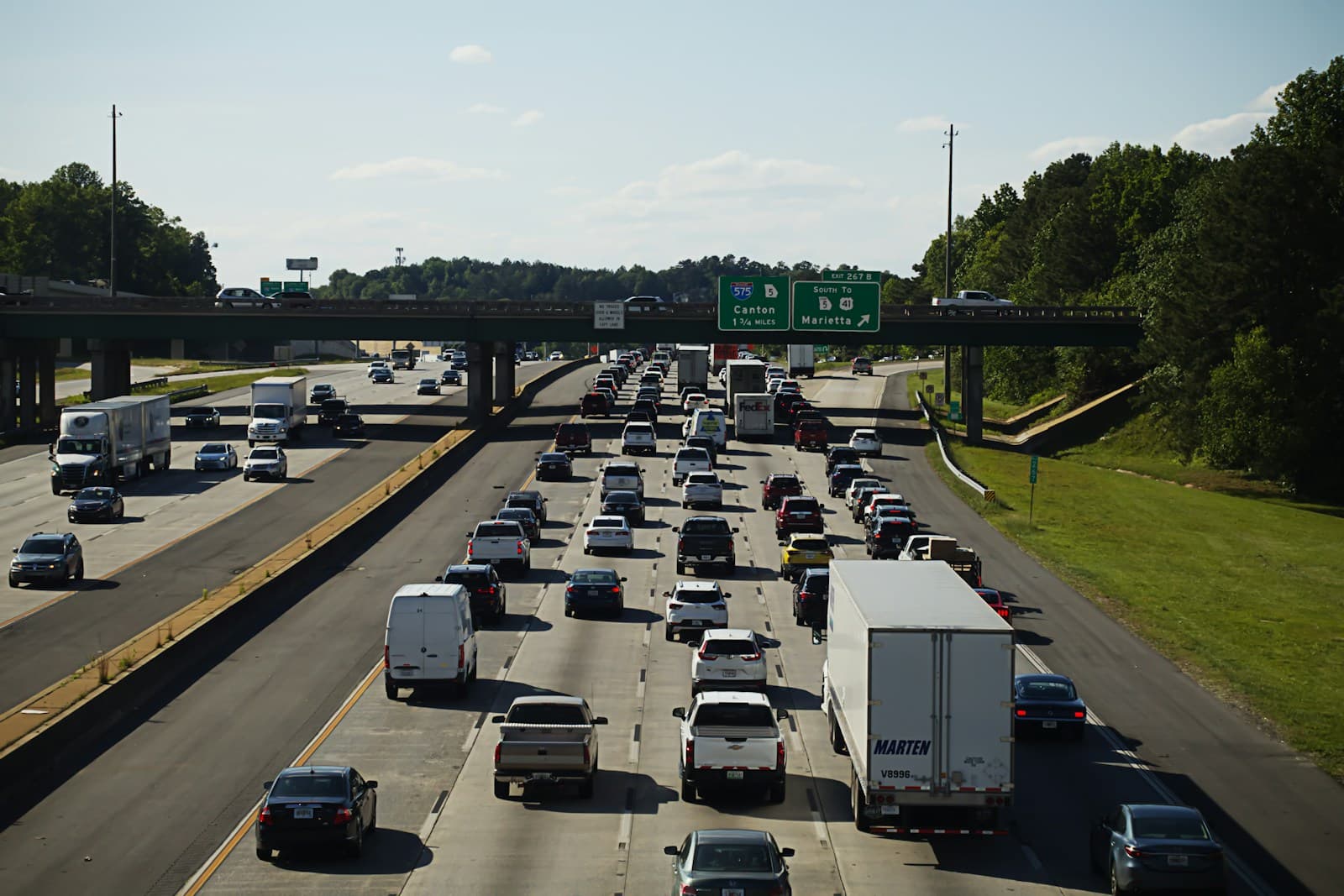
- Interstate 80 Corridor Traffic Density: Omaha sits at the I-80 and I-680 interchange, creating high accident frequency zones where high-risk drivers face increased scrutiny. Carriers price violations more aggressively in ZIP codes near these corridors (68102, 68104, 68105, 68110) due to elevated claim activity and traffic citation rates.
- Winter Weather Impact on At-Fault Claims: Nebraska winters bring ice storms and blizzard conditions that increase accident frequency November through March. High-risk drivers with existing at-fault accidents see steeper rate increases after winter claims, as carriers view weather-related collisions as preventable with proper speed adjustment.
- Uninsured Motorist Concentration: Nebraska's uninsured driver rate hovers around 11–13%, above the national average of 10%. High-risk drivers in Omaha pay more for uninsured motorist coverage because carriers anticipate hit-and-run scenarios and uninsured at-fault parties, especially in higher-density areas like North Omaha and South Omaha.
- Non-Standard Carrier Availability: Omaha has limited non-standard carrier representation compared to Lincoln or Kansas City. Drivers needing SR-22 after DUI or multiple violations often rely on national high-risk carriers or state-assigned risk pools, which can add $50–$100/month compared to standard market rates if local options reject the application.
Find out exactly how long SR-22 is required in your state
Coverage Recommendations
Cost estimates are based on available industry data and vary by driver profile. These are not insurance quotes.
SR-22 Insurance
Nebraska requires SR-22 for DUI convictions, driving under suspension, at-fault accidents without insurance, and accumulating 12+ points in two years. The SR-22 is a certificate your insurer files with the Nebraska DMV proving you carry at least 25/50/25 liability limits; any lapse triggers license suspension and restarts the three-year clock.
$25–$50 filing fee plus elevated premiumsEstimated range only. Not a quote.
Liability Insurance
Nebraska's 25/50/25 minimums are often inadequate for high-risk drivers facing judgment risk after an at-fault accident. Omaha's higher property values and medical costs mean a serious accident on Dodge Street or West Dodge Expressway can exceed $25,000 in property damage alone; many SR-22 carriers require 50/100/50 or higher to reduce their exposure.
$120–$280/month for high-risk driversEstimated range only. Not a quote.
Uninsured Motorist Coverage
With 11–13% of Nebraska drivers uninsured, high-risk drivers in Omaha should carry uninsured/underinsured motorist coverage at limits matching their liability policy. This coverage protects you if an uninsured driver causes an accident, especially critical given Omaha's I-80 commuter traffic and higher uninsured driver concentrations in certain ZIP codes.
$15–$40/month additionalEstimated range only. Not a quote.
Non-Standard Auto Insurance
Drivers with multiple DUIs, suspended licenses, or recent SR-22 lapses may need non-standard carriers that specialize in high-risk profiles. These policies cost 40–80% more than standard market rates but provide the continuous coverage Nebraska requires; in Omaha, expect quotes from national non-standard carriers rather than local agencies.
$200–$400/month for severe violationsEstimated range only. Not a quote.