What Affects Rates in Las Vegas
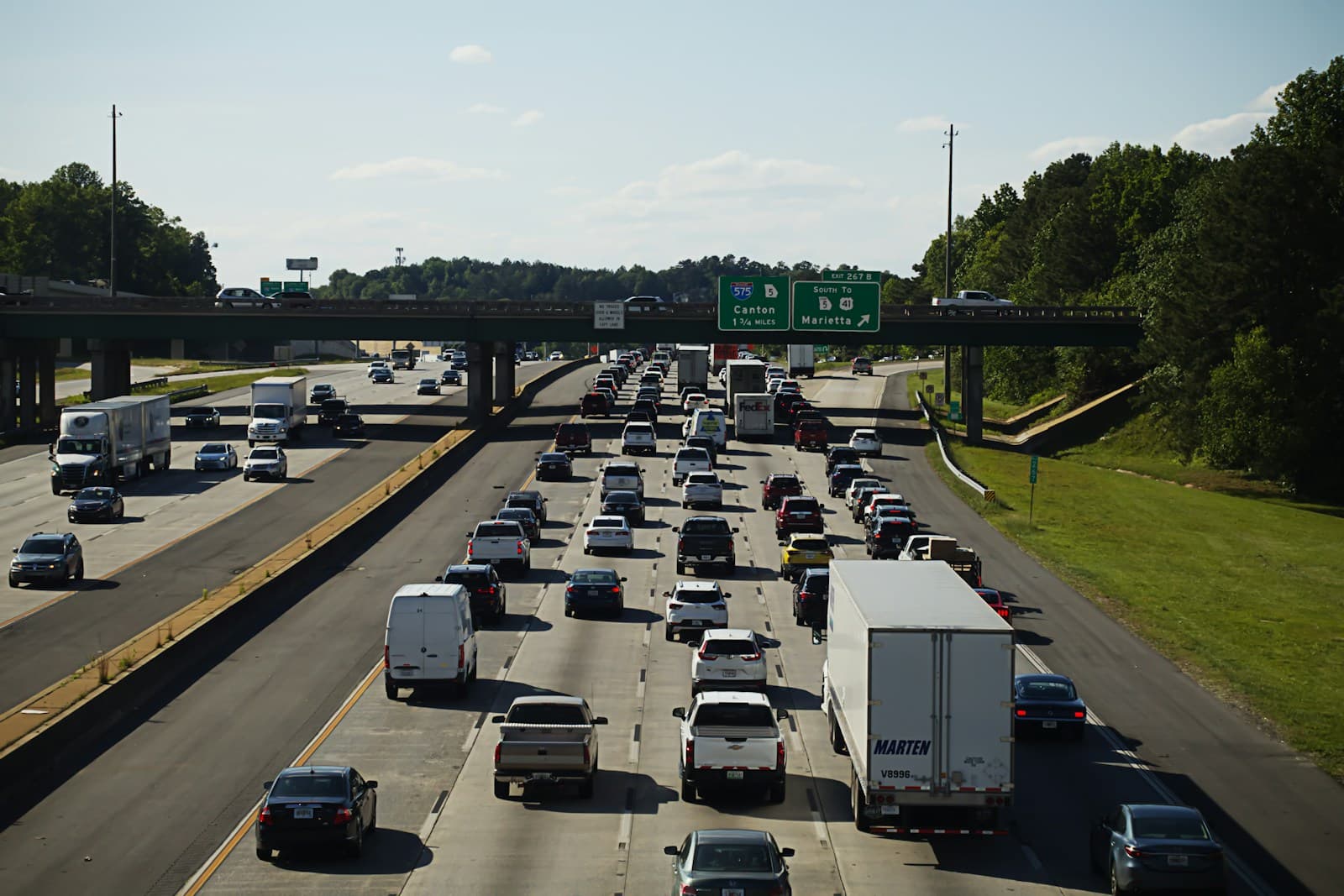
- I-15 Corridor Accident Density: The I-15 through Las Vegas experiences heavy congestion and elevated crash rates, particularly near the Spaghetti Bowl interchange and tourist corridor stretches. High-risk drivers with at-fault accidents face steeper rate increases here due to the density of claims originating from this corridor.
- Clark County Uninsured Motorist Rate: Nevada's uninsured driver rate sits around 20.4%, among the highest nationally, with concentration in urban Clark County. Carriers price this risk into high-risk policies, particularly for drivers with lapse histories who statistically correlate with uninsured motorist exposure.
- Las Vegas Metro DUI Enforcement Volume: Las Vegas Metro Police and Nevada Highway Patrol conduct high-volume DUI enforcement on the Strip and surrounding arterials, resulting in a large pool of drivers requiring SR-22 filings. This competitive market means more non-standard carriers operate here, which can create rate variability for shoppers.
- Tourist Traffic and Non-Resident Accidents: The Strip and adjacent areas see disproportionate involvement of rental vehicles and out-of-state drivers in collisions. Insurers factor this elevated accident environment into premiums for local high-risk drivers, as the overall claim frequency in zip codes near tourist zones runs higher.
- Nevada's 3-Year SR-22 Requirement: Nevada mandates continuous SR-22 filing for 3 years following DUIs, reckless driving convictions, or driving uninsured. Any lapse in coverage during this period resets the 3-year clock, and carriers charge accordingly for the extended monitoring period compared to states with shorter requirements.
Find out exactly how long SR-22 is required in your state
Coverage Recommendations
Cost estimates are based on available industry data and vary by driver profile. These are not insurance quotes.
SR-22 Insurance
An SR-22 is a certificate your insurer files with the Nevada DMV proving you carry at least 25/50/20 minimum liability. Required for 3 years after DUI, major violations, or uninsured driving; lapses restart the clock.
$15–$50 filing fee plus elevated premiumEstimated range only. Not a quote.
Liability Insurance
Nevada's minimum is 25/50/20 ($25k bodily injury per person, $50k per accident, $20k property damage). High-risk drivers in Las Vegas pay $1,800–$3,600/year for state minimums; consider 50/100/50 or higher given the frequency of multi-vehicle accidents on I-15 and local arterials.
$1,800–$3,600/year for minimumsEstimated range only. Not a quote.
Uninsured Motorist Coverage
With Nevada's ~20.4% uninsured rate concentrated in urban Clark County, uninsured/underinsured motorist coverage (UM/UIM) protects you when an at-fault driver lacks sufficient coverage. Not required by state law but highly recommended for high-risk drivers who may face claim denials elsewhere.
Adds $200–$600/year typicallyEstimated range only. Not a quote.
Non-Standard Auto Insurance
Non-standard carriers in Las Vegas specialize in DUI, SR-22, and lapse cases — providers like The General, Access, and Bristol West maintain local underwriting for high-risk profiles. Rates are higher but acceptance is broader, and you can transition to standard carriers after 3–5 years of clean driving.
Varies widely; shop 3–5 carriersEstimated range only. Not a quote.