What Affects Rates in Hamilton
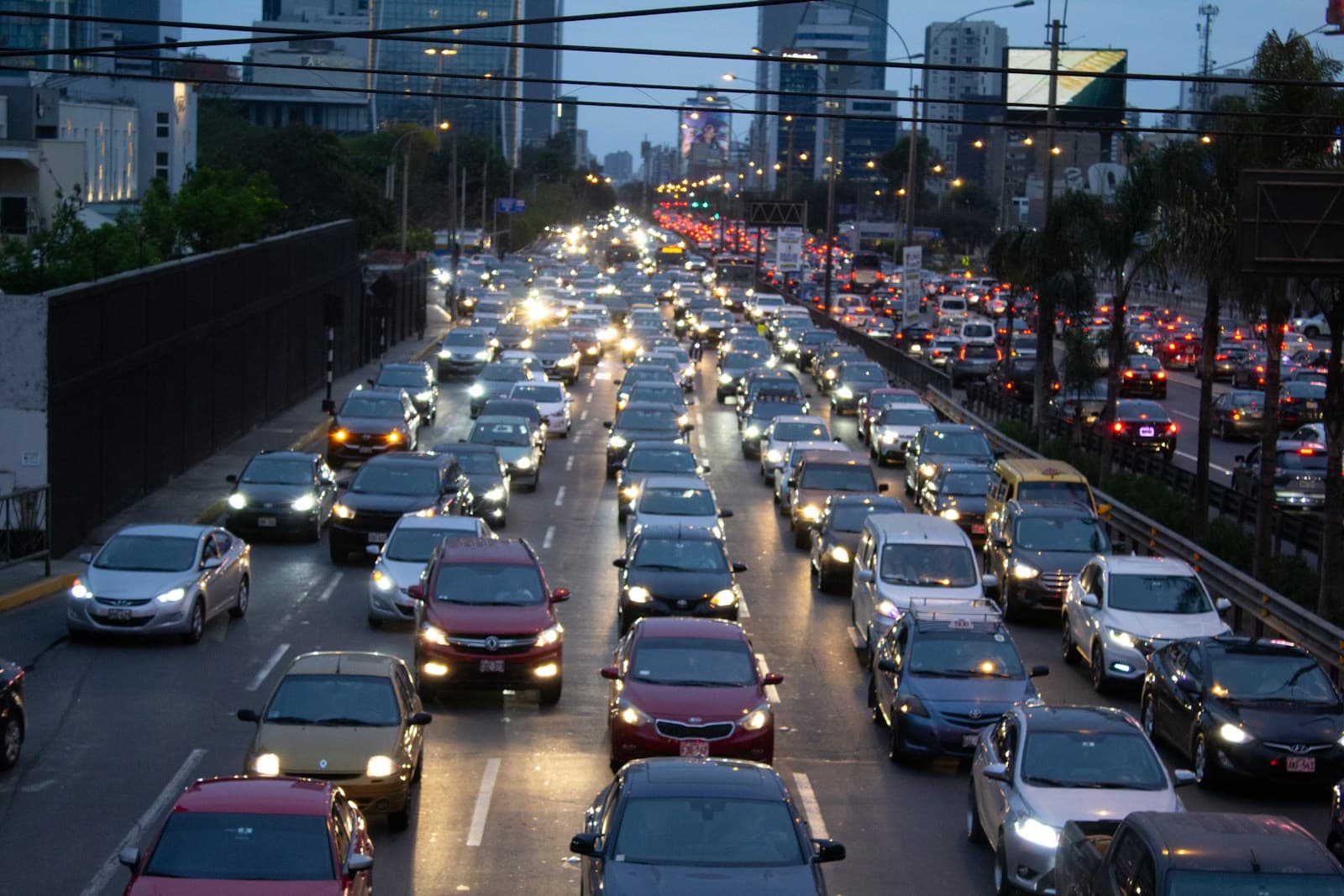
- I-295 and Route 130 Commuter Corridors: Hamilton sits at the intersection of I-295 and Route 130, two of Mercer County's highest-traffic routes with elevated crash rates during peak commute hours. High-risk drivers face steeper premiums when their work or residence patterns place them on these corridors daily, as insurers factor repeat exposure into risk calculations.
- Proximity to Trenton Municipal Court System: Hamilton drivers with DUIs or serious violations often route through Trenton's municipal and superior courts, where conviction rates and plea structures directly affect insurance outcomes. A conviction versus a downgraded charge can shift your premium tier significantly, making legal representation critical before your case closes.
- Suburban Density with Urban Spillover: Hamilton blends suburban neighborhoods with commercial strips along Route 33 and Nottingham Way, creating mixed-density zones where accident frequency rises. High-risk drivers in denser areas near the Trenton border typically see higher quotes than those in lower-traffic residential pockets like Mercerville or Groveville.
- Uninsured Driver Concentration in Mercer County: Mercer County maintains a higher percentage of uninsured motorists compared to New Jersey's suburban counties, increasing the likelihood of uncollectible claims. For high-risk drivers already paying elevated premiums, this raises the importance—and cost—of uninsured/underinsured motorist coverage.
- Winter Weather Impact on Route 29 and Local Roads: Hamilton's proximity to the Delaware River and Route 29 brings ice and flood risk during winter months, contributing to seasonal accident spikes. High-risk drivers with prior at-fault accidents in adverse conditions may see additional premium weight during policy reviews.
Find out exactly how long SR-22 is required in your state
Coverage Recommendations
Cost estimates are based on available industry data and vary by driver profile. These are not insurance quotes.
SR-22 Insurance
New Jersey requires SR-22 filing for 3 years following DUI convictions, refusal to submit to breath tests, driving while suspended, or excessive points. The filing costs $50, but the underlying high-risk policy drives total costs to $1,800–$6,800/year depending on coverage level and violation severity.
$50 filing + $1,800–$6,800/year policyEstimated range only. Not a quote.
Liability Insurance
New Jersey mandates $15,000 per person/$30,000 per accident bodily injury and $5,000 property damage, but high-risk drivers in Hamilton should consider $50,000/$100,000/$25,000 minimums given elevated exposure on I-295 and Route 130. State minimums leave you personally liable for damages exceeding policy limits, a serious risk if you cause a multi-vehicle accident on a major corridor.
$1,200–$2,800/year for state minimumsEstimated range only. Not a quote.
Uninsured Motorist Coverage
Mercer County's higher uninsured driver rates make UM/UIM coverage essential for high-risk drivers who can't afford out-of-pocket costs after a hit-and-run or collision with an uninsured motorist. This coverage protects you when the at-fault driver lacks insurance or flees the scene, common scenarios on high-traffic Hamilton routes.
$180–$420/year added to policyEstimated range only. Not a quote.
Non-Standard Auto Insurance
Drivers with multiple DUIs, suspended licenses, or recent lapses often need non-standard carriers that specialize in high-risk profiles. These policies cost more—sometimes 50–100% above standard high-risk rates—but provide coverage when standard and preferred carriers decline, keeping you legal and avoiding additional license suspensions for driving uninsured.
$3,600–$9,600/year for severe violationsEstimated range only. Not a quote.