What Affects Rates in Jersey City
- Urban Density and Collision Frequency: Jersey City's population density exceeds 18,000 residents per square mile, creating congestion on Routes 1-9, 139, and the Pulaski Skyway that elevates accident frequency. High-risk drivers face steeper surcharges here than in suburban New Jersey counties because insurers price for elevated claim likelihood in dense urban corridors.
- Hudson County Accident Rates: Hudson County consistently ranks among New Jersey's top five counties for total crashes and injury collisions, with Jersey City contributing a significant share due to its population and commuter traffic. Drivers with at-fault accidents or violations already on record see compounded rate increases in high-claim-frequency zones.
- Uninsured Motorist Exposure: New Jersey's uninsured driver rate hovers near 13%, and urban areas like Jersey City see higher concentrations due to cost pressures and transient populations. Uninsured motorist coverage is mandatory here, but high-risk drivers pay more for it because insurers assume greater likelihood of incidents with uncovered drivers.
- New Jersey No-Fault and PIP Requirements: New Jersey mandates Personal Injury Protection (PIP) with minimum $15,000 coverage under its no-fault system, and high-risk drivers pay significantly more for PIP than standard-risk drivers. Jersey City's urban medical costs and litigation rates push PIP premiums higher than in rural parts of the state.
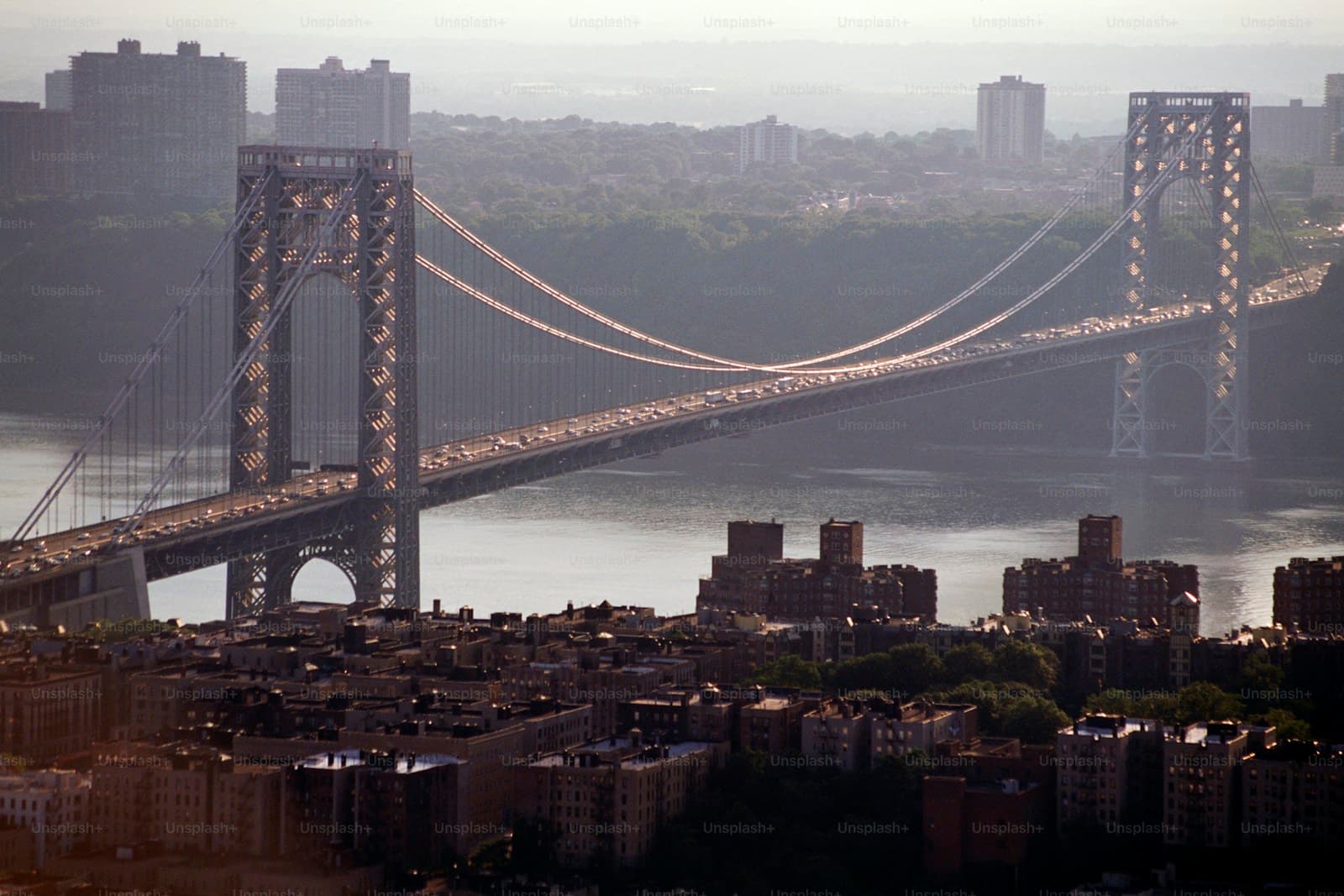
- Proximity to New York and Commuter Traffic: Jersey City sits directly across from Manhattan, generating heavy commuter traffic through the Lincoln and Holland Tunnels and PATH stations. High daily vehicle miles traveled and rush-hour congestion increase exposure for drivers with violations, and insurers factor commute patterns into high-risk underwriting.
Find out exactly how long SR-22 is required in your state
Coverage Recommendations
Cost estimates are based on available industry data and vary by driver profile. These are not insurance quotes.
SR-22 Insurance
SR-22 is a state-mandated certificate proving you carry at least New Jersey's minimum liability limits: $15,000 bodily injury per person, $30,000 per accident, and $5,000 property damage. The filing itself costs around $50, and your insurer submits it electronically to the MVC; it must stay active for three years without lapses or the clock restarts.
$50 filing + elevated premiumEstimated range only. Not a quote.
Liability Insurance
New Jersey's minimum liability limits (15/30/5) are mandatory but inadequate in Jersey City's high-cost environment; at-fault crashes in dense urban areas often exceed these caps quickly. High-risk drivers should consider 100/300/100 limits to avoid out-of-pocket exposure, though premiums will be significantly higher than state minimums.
$200–$400/mo for enhanced limitsEstimated range only. Not a quote.
Uninsured Motorist Coverage
New Jersey requires uninsured/underinsured motorist coverage equal to your liability limits unless you reject it in writing. With 13% of state drivers uninsured and Jersey City's high traffic density, this coverage is critical for high-risk drivers who can't afford another hit to their record from an uncovered claim.
$30–$80/mo added to premiumEstimated range only. Not a quote.
Non-Standard Auto Insurance
Drivers with multiple violations, DUIs, or recent lapses often can't access standard carriers and must use non-standard insurers like Dairyland, The General, or state-facilitated New Jersey Personal Automobile Insurance Plan (PAIP) if voluntary market options fail. Rates run 50–150% higher than standard market, but coverage is available.
$2,400–$4,800/year minimumEstimated range only. Not a quote.