What Affects Rates in Rio Rancho
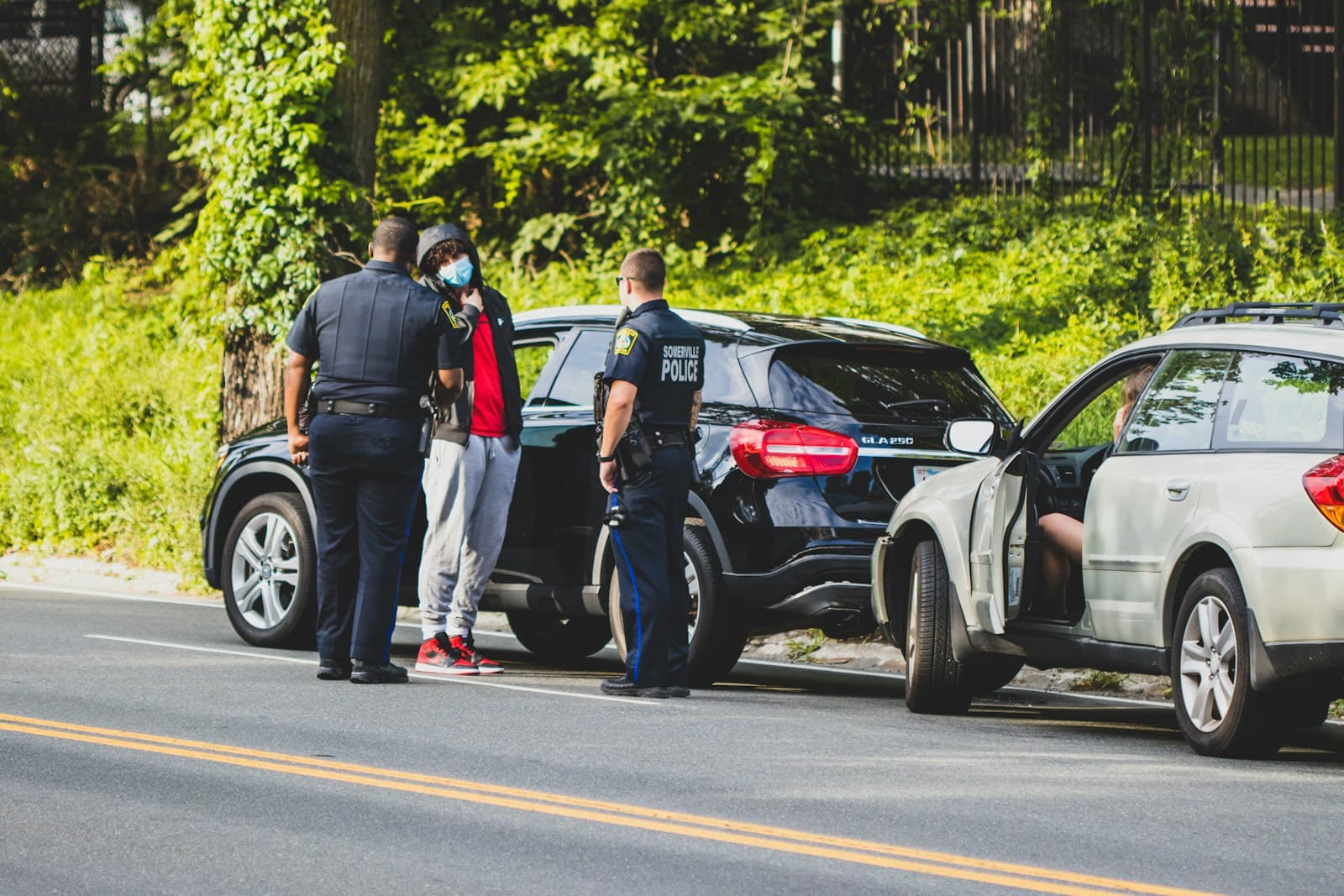
- Sandoval County DWI Enforcement Zones: Rio Rancho's proximity to US-550 and NM-528 corridors means heightened DWI checkpoint activity, particularly on weekend evenings. Drivers with existing DUI violations face stricter underwriting from carriers who weight recent arrest location data, with violations occurring within city limits sometimes triggering 15–25% higher premiums than rural county DUIs.
- Suburban Growth and Uninsured Motorist Risk: Rio Rancho's rapid expansion has attracted a population with New Mexico's ~21% uninsured driver rate reflected locally, increasing accident exposure for high-risk drivers. Carriers price uninsured motorist coverage 10–20% higher here than in rural New Mexico markets due to collision frequency on Southern Boulevard and Unser Boulevard during peak commute hours.
- Metro ABQ Commuter Traffic Density: Over 40% of Rio Rancho residents commute to Albuquerque via limited access routes (NM-528, Paseo del Norte), concentrating traffic and raising accident rates for drivers with prior at-fault incidents. Insurers apply metro-adjacent rating factors that typically add $200–$400/year compared to rural northern New Mexico communities for drivers with violation history.
- Second Judicial District Court Processing Times: DUI and reckless driving cases processed through Sandoval County's court system can take 6–12 months to resolve, during which SR-22 filing deadlines must be met. Delays in court disposition can extend the high-risk rating period, as carriers reassess risk annually based on conviction dates rather than arrest dates, potentially adding 12–18 months of elevated premiums.
- High-Wind and Hail Claim Frequency: Rio Rancho's elevation and exposure to spring windstorms (gusts exceeding 50 mph) drive comprehensive claims that compound risk profiles for drivers already carrying violations. Carriers writing non-standard policies here often require higher comprehensive deductibles ($750–$1,000) to offset hail damage frequency, adding $15–$30/month to full-coverage costs.
Find out exactly how long SR-22 is required in your state
Coverage Recommendations
Cost estimates are based on available industry data and vary by driver profile. These are not insurance quotes.
SR-22 Insurance
New Mexico requires continuous 3-year SR-22 filing for DUI convictions, license suspensions, and certain violations. Any lapse triggers license re-suspension and restarts the 3-year clock, making automatic payment setup critical for Rio Rancho drivers commuting to Albuquerque for work.
$25–$50 filing fee + high-risk premiumsEstimated range only. Not a quote.
Liability Insurance
New Mexico's 25/50/10 minimum is mandatory with SR-22, but high-risk drivers in Rio Rancho should consider 50/100/25 or higher due to the metro area's higher-value vehicle concentration and lawsuit exposure. At-fault accidents without adequate limits can lead to wage garnishment, a significant risk given median household income levels in Sandoval County.
$150–$280/month for state minimum; $190–$350/month for 50/100/25Estimated range only. Not a quote.
Uninsured Motorist Coverage
With approximately 21% of New Mexico drivers uninsured and Rio Rancho's commuter-heavy traffic patterns, UM coverage protects high-risk drivers from out-of-pocket costs if hit by an uninsured driver. Carriers often require UM limits matching liability limits for non-standard policies, adding $30–$60/month.
$30–$60/month for 25/50 UMEstimated range only. Not a quote.
Non-Standard Auto Insurance
Drivers declined by standard carriers due to DUIs, multiple violations, or lapses access coverage through non-standard insurers operating in Sandoval County. These policies carry higher premiums but provide the continuous coverage needed to maintain SR-22 compliance and eventually transition back to standard markets after 3–5 clean years.
$1,800–$3,600/year for liability-onlyEstimated range only. Not a quote.