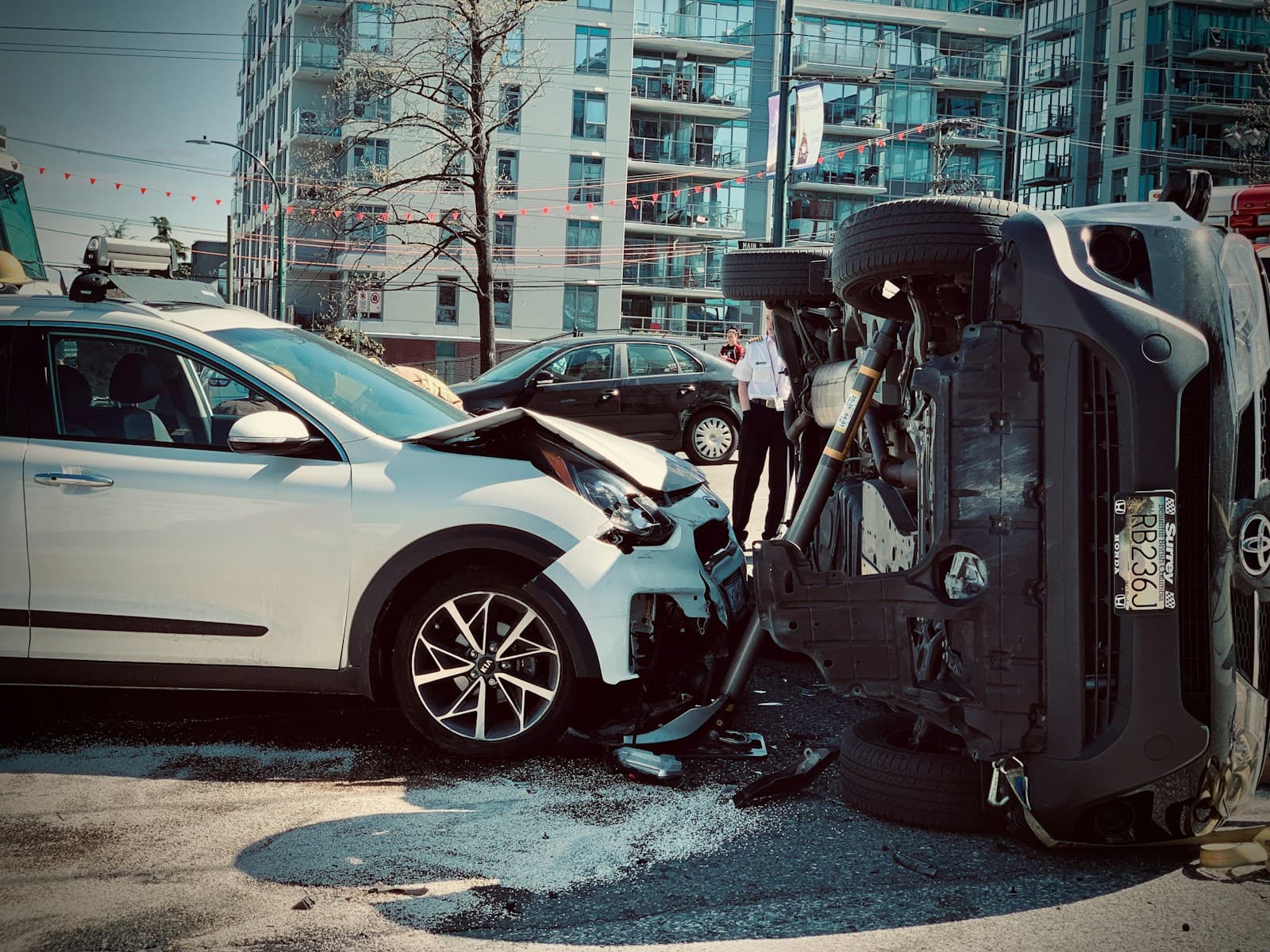
What Affects Rates in Syracuse
- Lake-Effect Snow and Winter Driving Conditions: Syracuse receives an average of 128 inches of snow annually, among the highest totals for major U.S. cities. Winter weather increases accident frequency for all drivers, but high-risk drivers with recent at-fault accidents or violations face steeper premium surcharges due to elevated collision and comprehensive claim likelihood during the November–March snow season.
- I-81 Through Downtown and Viaduct Replacement Project: The ongoing I-81 corridor reconstruction creates congestion, altered traffic patterns, and increased accident risk through downtown Syracuse. High-risk drivers commuting through this zone may see higher premiums due to collision exposure, particularly if prior violations occurred in high-traffic urban settings.
- Onondaga County Uninsured Driver Rate: Central New York maintains moderate uninsured motorist rates compared to downstate regions, but any concentration of uninsured drivers increases risk for collision claims without recovery. High-risk drivers should prioritize uninsured motorist coverage, as standard carriers may require it as a condition of SR-22 policy issuance.
- Urban Density and Syracuse City Limits: Drivers residing within Syracuse city limits face higher base rates than those in suburban Onondaga County towns due to elevated theft, vandalism, and collision claim frequency. High-risk drivers in neighborhoods near downtown or the Near Westside see additional surcharges on already-elevated premiums.
- New York DMV Point System and SR-22 Triggers: New York's point system assigns 3–11 points per violation, with SR-22 typically required after DUI conviction, multiple serious violations, or license suspension. Syracuse drivers who accumulate 11 points in 18 months face suspension and subsequent SR-22 filing requirements upon reinstatement, extending high-risk classification for the mandatory three-year filing period.

Find out exactly how long SR-22 is required in your state
Coverage Recommendations
Cost estimates are based on available industry data and vary by driver profile. These are not insurance quotes.
SR-22 Insurance
SR-22 is not a separate policy but a certificate proving you carry New York's minimum liability (25/50/10). It costs $50 to file and must remain active for three years without lapse, or the clock resets. Non-standard carriers in Syracuse that commonly issue SR-22 policies include Progressive, GEICO, and regional high-risk specialists.
$50 filing fee + high-risk premiumEstimated range only. Not a quote.
Liability Insurance
New York requires 25/50/10 liability minimums, but high-risk drivers should consider 100/300/100 limits to reduce future exposure after at-fault accidents. SR-22 filers must maintain continuous liability coverage for three years, and any lapse triggers license suspension and restarts the filing period.
$180–$350/month for high-risk driversEstimated range only. Not a quote.
Uninsured Motorist Coverage
Uninsured motorist (UM) coverage is mandatory in New York unless explicitly rejected in writing, with minimum limits matching liability requirements. High-risk drivers in Syracuse benefit from UM/UIM coverage due to winter accident frequency and the risk of claims involving uninsured drivers who may flee the scene during snow events.
Typically $15–$40/month additionalEstimated range only. Not a quote.
Non-Standard Auto Insurance
Non-standard or high-risk carriers specialize in coverage for drivers with DUIs, multiple violations, or SR-22 requirements. These insurers calculate risk differently and may offer installment payment plans where standard carriers deny coverage outright. Rates decline as violations age off your record—DUIs impact premiums for 10 years in New York, but surcharges decrease after year three.
$180–$350/month typical rangeEstimated range only. Not a quote.