What Affects Rates in Asheville
- Mountain Road Topography: Asheville's location in the Blue Ridge Mountains means steep grades, sharp curves, and frequent elevation changes on routes like I-26 and I-240. High-risk drivers with previous at-fault accidents face steeper premiums here than in flat Piedmont cities, as carriers price in higher accident severity on mountain terrain.
- Tourist Traffic Concentration: Downtown Asheville and the Biltmore Estate area see heavy seasonal visitor traffic from April through October, creating congestion spikes along Patton Avenue, Merrimon Avenue, and the I-240 corridor. Drivers with violation histories face higher rates due to increased accident frequency in tourist-dense zones where out-of-town drivers unfamiliar with local roads contribute to collision rates.
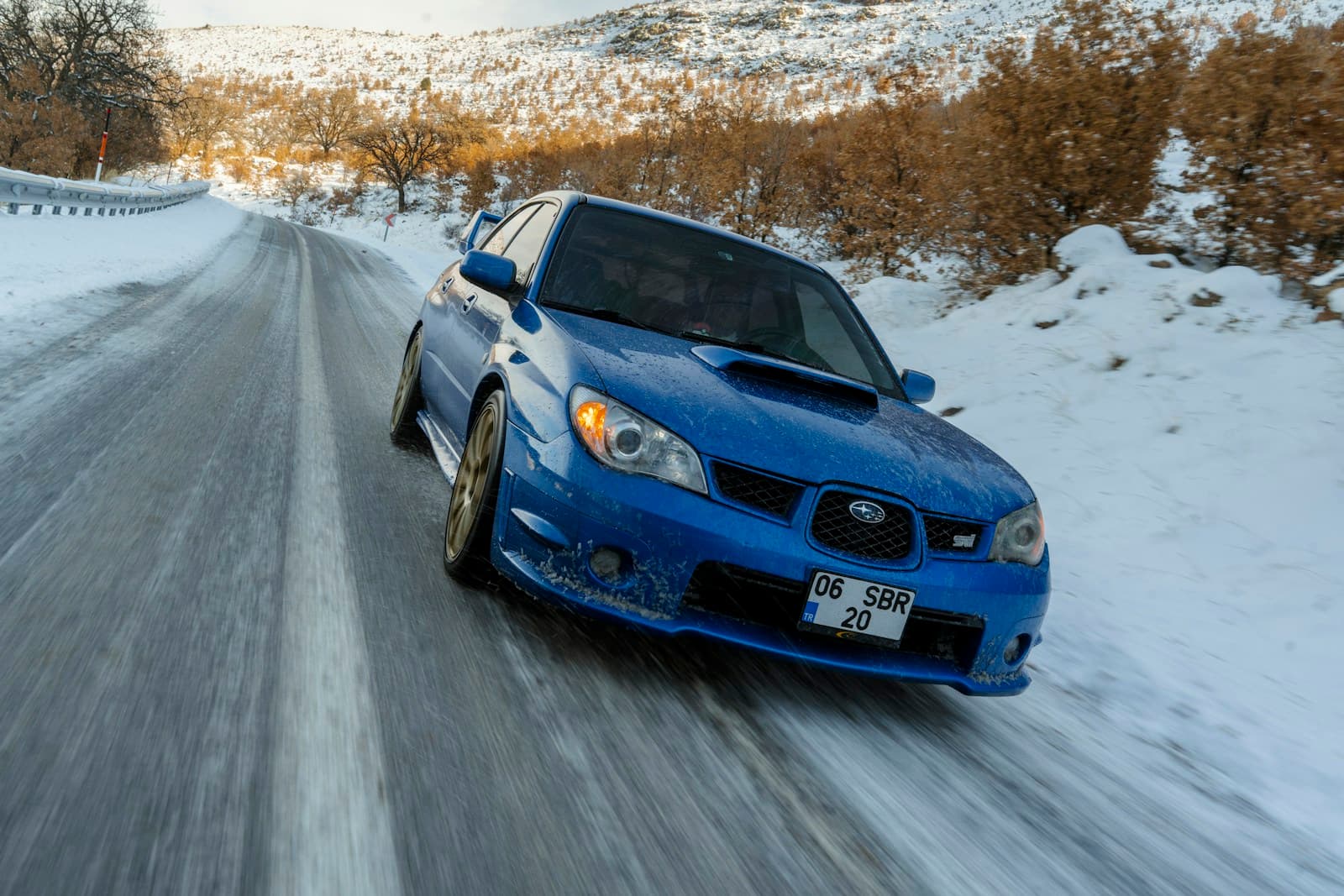
- Winter Weather Driving Conditions: Asheville averages 10.3 inches of snow annually, with black ice common on elevated roadways and bridges during December through February. High-risk drivers with DUIs or careless driving convictions see compounded rate increases, as carriers assess winter weather risk alongside violation history in mountain climate zones.
- Contributory Negligence Legal Standard: North Carolina applies pure contributory negligence, barring recovery if you're even 1% at fault in an accident. For high-risk drivers, this increases the importance of higher liability limits—if you cause another accident, you cannot offset costs through the other driver's policy, making $100,000/$300,000 liability coverage more critical than in comparative fault states.
- Buncombe County Court Processing Times: SR-22 requirements typically stem from DWI convictions or license suspensions processed through Buncombe County District Court. Delays in court processing or DMV notification can extend the period before SR-22 filing clears, meaning coverage lapses during this window trigger restart of the 3-year SR-22 clock and additional premium surcharges.
Find out exactly how long SR-22 is required in your state
Coverage Recommendations
Cost estimates are based on available industry data and vary by driver profile. These are not insurance quotes.
SR-22 Insurance
Required after DWI convictions, driving while license suspended, or accumulating 12+ points within 3 years in North Carolina. The SR-22 is a certificate your insurer files electronically with the NC DMV proving you carry at least state minimum liability ($30,000/$60,000/$25,000). Any lapse in coverage during the 3-year period restarts the clock and results in immediate license suspension.
$25–$50 filing fee plus elevated premiumsEstimated range only. Not a quote.
Liability Insurance
North Carolina requires $30,000 bodily injury per person, $60,000 per accident, and $25,000 property damage. High-risk drivers in Asheville should consider $100,000/$300,000/$100,000 limits due to contributory negligence rules—if you're at fault again, you cannot recover from the other driver, making higher limits essential to protect assets in mountain-road accidents with higher injury severity.
State minimums: $90–$180/month for high-risk profilesEstimated range only. Not a quote.
Uninsured Motorist Coverage
With North Carolina's 7.4% uninsured driver rate, UM coverage is critical for high-risk drivers who cannot afford another at-fault claim. Coverage mirrors your liability limits and protects you if hit by an uninsured driver on I-240 or rural Buncombe County roads where enforcement is lighter. Must be rejected in writing if you decline it.
Adds $15–$40/month to high-risk policiesEstimated range only. Not a quote.
Non-Standard Auto Insurance
Carriers like Acceptance, National General, and Dairyland specialize in high-risk drivers in Asheville and will file SR-22s where standard carriers decline coverage. Non-standard policies often require 6-month payment in full or higher down payments but provide immediate SR-22 filing needed to reinstate your NC license after suspension.
$150–$300/month typical rangeEstimated range only. Not a quote.