What Affects Rates in Durham
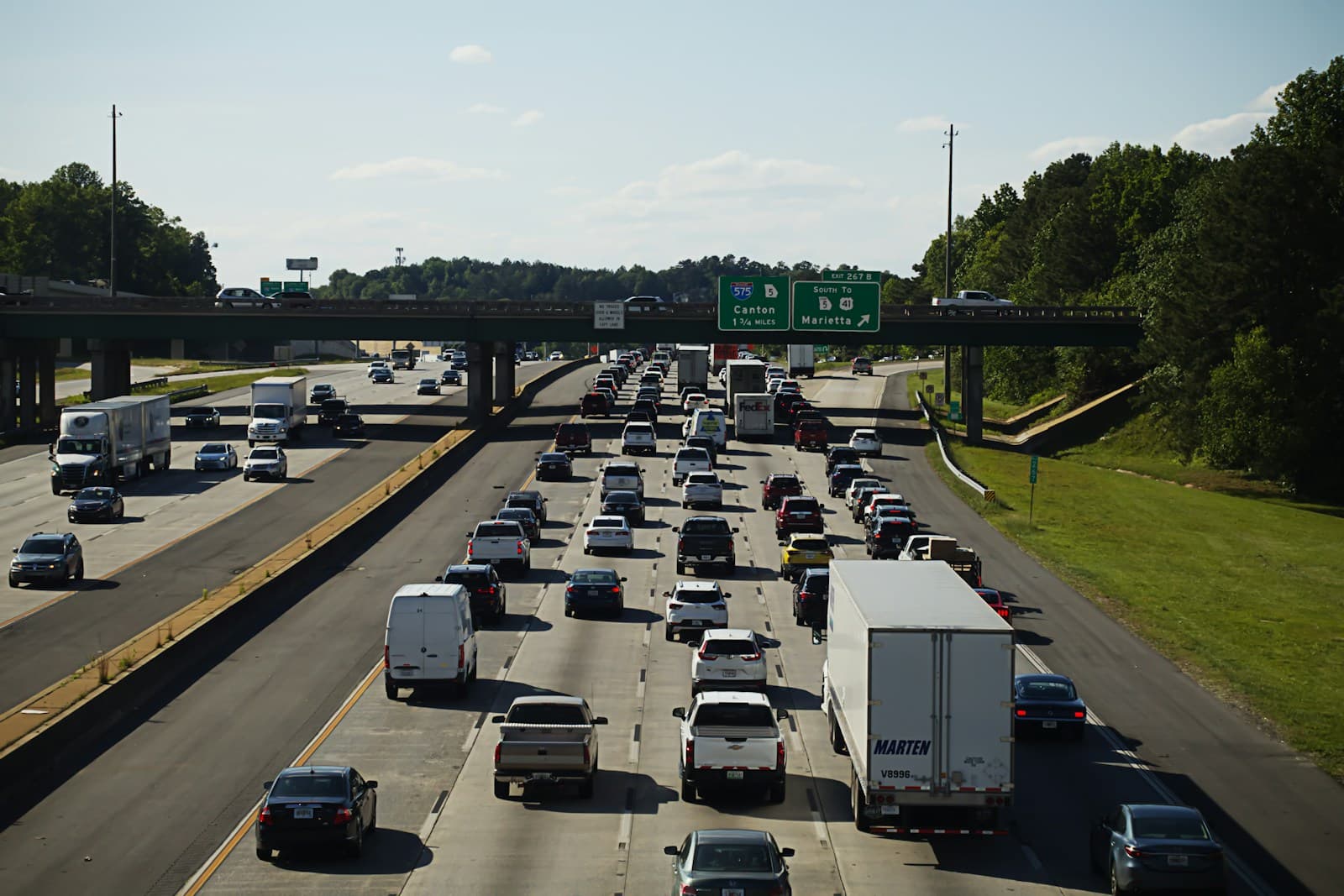
- I-40/I-85/US-70 Corridor Congestion: Durham sits at the intersection of three major highways with heavy daily commuter volume from Raleigh, Chapel Hill, and Research Triangle Park. For high-risk drivers, any additional citation or at-fault accident in these congested zones compounds premiums substantially due to the heightened exposure profile insurers assign to urban interstate corridors.
- Contributory Negligence Liability Exposure: North Carolina is one of four contributory negligence states, meaning if you are found even 1% at fault in an accident, you cannot recover damages from the other party. This strict rule increases insurers' liability exposure for high-risk drivers, directly raising premiums for those already carrying violations or DUIs.
- Durham County Court SR-22 Processing: SR-22 filings triggered by Durham County DWI convictions or license suspensions must be processed through the North Carolina DMV, which requires continuous proof of liability coverage at state minimums ($30,000/$60,000/$25,000) for three years. Any lapse—even one day—restarts the entire three-year clock and typically adds $30–$60/month to your premium.
- Uninsured Driver Concentration: Durham's uninsured motorist rate is estimated near 7–9%, slightly above the state average of approximately 7.4%. High-risk drivers already face elevated premiums, and insurers price in the greater likelihood of uninsured/underinsured motorist claims in areas with higher uninsured populations.
- Urban Accident Frequency: Durham's urban core—particularly corridors along NC-147, Roxboro Street, and Guess Road—sees higher accident frequency than suburban or rural North Carolina counties. Insurers layer this elevated claim probability into high-risk underwriting, often adding 15–25% to base premiums for drivers with existing violations.

Find out exactly how long SR-22 is required in your state
Coverage Recommendations
Cost estimates are based on available industry data and vary by driver profile. These are not insurance quotes.
SR-22 Insurance
An SR-22 is not a separate policy—it's a certificate your insurer files with the North Carolina DMV proving you carry at least state minimum liability. In Durham, the filing itself costs around $50, but the underlying high-risk policy typically runs $180–$320/month. Any lapse restarts your three-year filing period.
$50 filing + $180–$320/mo policyEstimated range only. Not a quote.
Liability Insurance
North Carolina requires $30,000 bodily injury per person, $60,000 per accident, and $25,000 property damage. For high-risk drivers in Durham—especially those with DUIs or at-fault accidents—liability-only policies from non-standard carriers range from $160–$280/month, well above standard-risk rates due to contributory negligence exposure.
$160–$280/month liability-onlyEstimated range only. Not a quote.
Uninsured Motorist Coverage
With Durham's uninsured driver rate near 7–9%, uninsured/underinsured motorist coverage becomes critical, especially if you already carry an SR-22 and cannot afford another at-fault claim. North Carolina requires insurers to offer UM/UIM at the same limits as your liability; expect to add $20–$45/month for high-risk drivers.
+$20–$45/month for UM/UIMEstimated range only. Not a quote.
Non-Standard Auto Insurance
Non-standard carriers—such as The General, Acceptance, and Direct Auto—specialize in high-risk profiles and often provide the only accessible coverage for drivers with recent DUIs, multiple violations, or SR-22 requirements in Durham. Premiums run higher ($200–$320/month), but approval rates are significantly better than standard carriers.
$200–$320/month typical rangeEstimated range only. Not a quote.