What Affects Rates in Fayetteville
- Fort Bragg Military Population: Fayetteville's proximity to Fort Bragg creates frequent policy lapses due to deployments and PCS moves, which insurers view as coverage instability. High-risk carriers serving the area account for military-related lapses differently than civilian gaps, with some offering deployment grace periods that can prevent SR-22 violations.
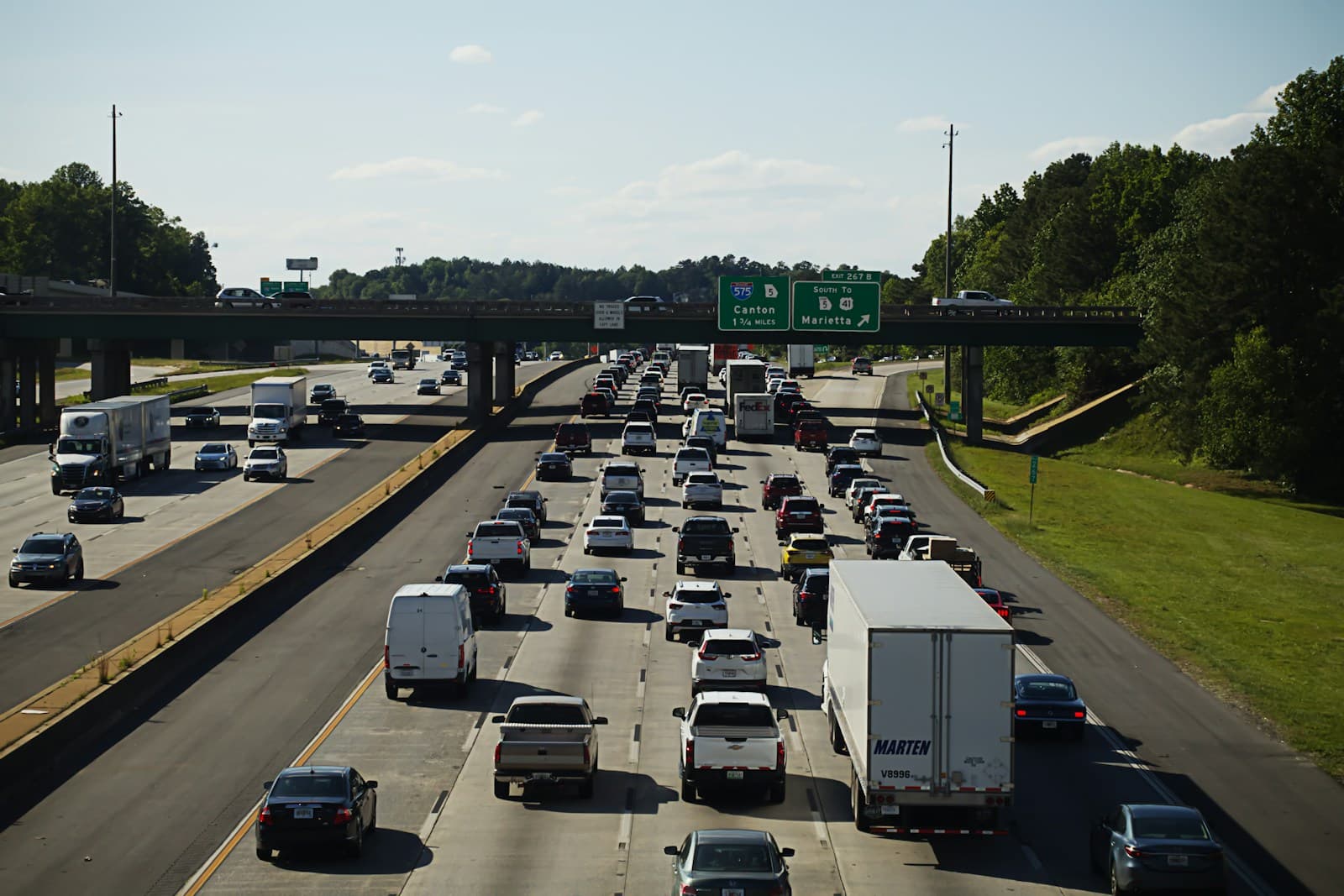
- US-401 and I-95 Corridor Density: The US-401 corridor through Fayetteville experiences high accident frequency due to commercial truck traffic and commuter volume, increasing collision risk for drivers with at-fault accidents already on record. Insurers apply higher base rates in ZIP codes along this corridor, particularly 28301, 28303, and 28306.
- Cumberland County Uninsured Driver Rate: Cumberland County's uninsured motorist rate exceeds the North Carolina state average of approximately 7.4%, elevating risk for drivers with violations who face higher liability exposure. Uninsured motorist coverage becomes critical for high-risk drivers in Fayetteville, as a second at-fault accident with an uninsured party can lead to license suspension.
- North Carolina Contributory Negligence Law: North Carolina's strict contributory negligence rule means even 1% fault bars recovery in accidents, pushing high-risk drivers toward higher liability limits. A DUI or at-fault accident already on record leaves no margin for partial fault in future incidents, making $100,000/$300,000 liability limits a practical floor for adequate protection.
- Cumberland County Court Processing Times: Cumberland County District Court handles high DWI caseloads from both civilian and military populations, with conviction-to-SR-22-requirement timelines averaging 60–90 days. Delays in court processing can create gaps between suspension notice and SR-22 filing, extending the period before reinstatement and adding non-compliance penalties if not carefully tracked.

Find out exactly how long SR-22 is required in your state
Coverage Recommendations
Cost estimates are based on available industry data and vary by driver profile. These are not insurance quotes.
SR-22 Insurance
Required after DUI, multiple violations, driving without insurance, or at-fault accidents without coverage in North Carolina. Your insurer files the SR-22 certificate with the NC DMV for $50, and you must maintain continuous coverage for three years—any lapse triggers suspension and restarts the clock.
$50 filing + 40–150% premium increaseEstimated range only. Not a quote.
Liability Insurance
North Carolina requires minimum $30,000 bodily injury per person, $60,000 per accident, and $25,000 property damage. High-risk drivers in Fayetteville should consider $100,000/$300,000/$100,000 limits due to contributory negligence law—even slight fault in a future accident bars recovery, making higher protection essential with a compromised record.
$120–$250/month for state minimumsEstimated range only. Not a quote.
Uninsured Motorist Coverage
Cumberland County's elevated uninsured driver rate makes this coverage critical for high-risk drivers who cannot afford another incident on their record. North Carolina requires insurers to offer uninsured/underinsured motorist coverage matching your liability limits unless you reject it in writing—declining this protection with a DUI or violations already on file significantly increases financial exposure.
$15–$40/month additionalEstimated range only. Not a quote.
Non-Standard Auto Insurance
Carriers like The General, Acceptance, and National General actively write policies in Fayetteville for drivers with DUIs, suspended licenses, or multiple violations. Non-standard policies accept higher risk profiles but typically require payment in full or monthly EFT to prevent lapse—critical since SR-22 drivers face immediate suspension if coverage drops.
$150–$300/month typical rangeEstimated range only. Not a quote.