What Affects Rates in Grand Forks
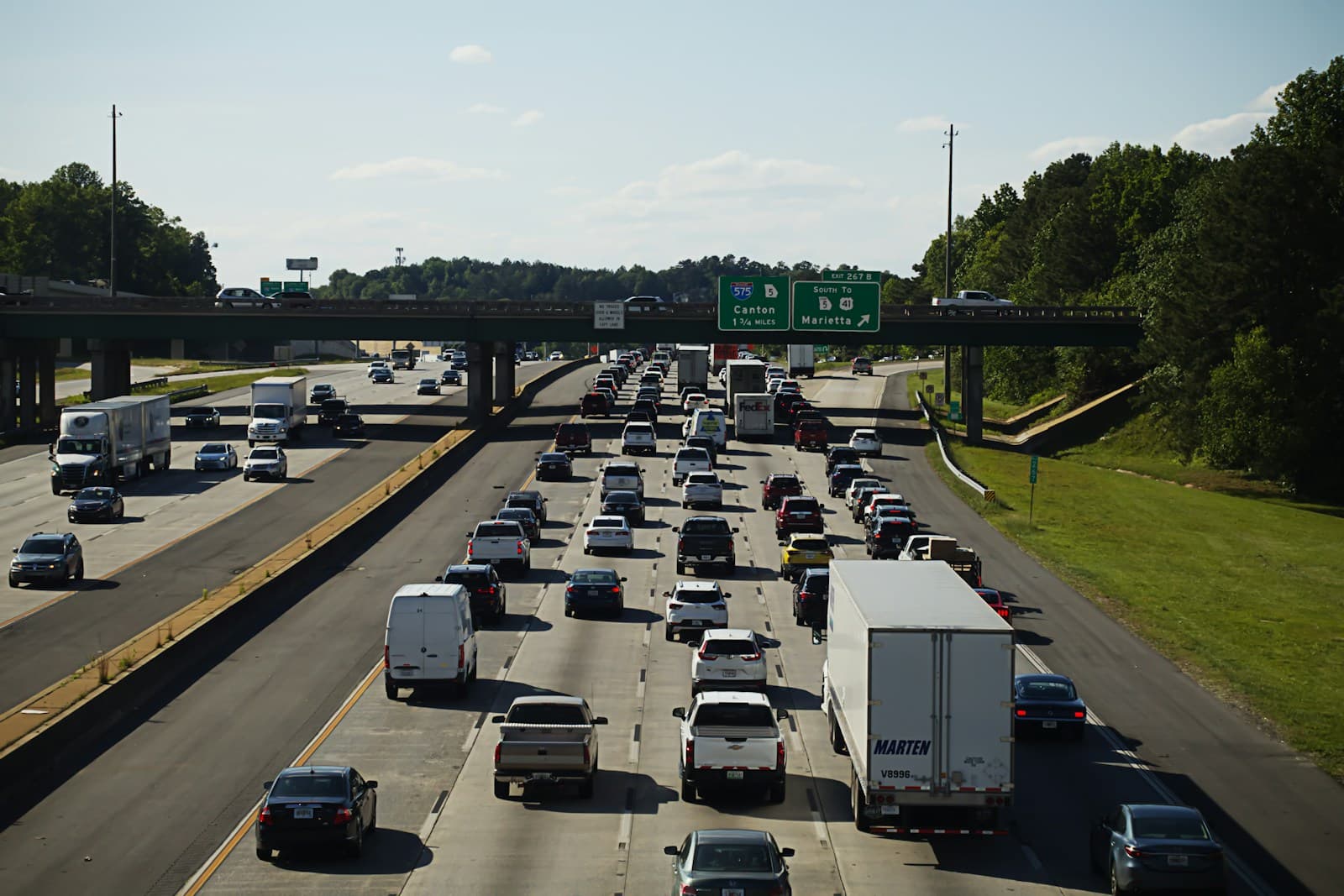
- Gateway Drive and Highway 2 Traffic Density: Grand Forks functions as a regional retail and medical hub serving eastern North Dakota and northwest Minnesota, creating concentrated traffic along Gateway Drive and Highway 2 corridors. High-risk drivers face elevated premiums due to increased accident exposure in these commercial zones, particularly during peak hours when University of North Dakota students commute.
- Extreme Winter Weather Impact: Grand Forks averages 49 inches of snow annually with temperatures frequently below zero from December through February. Drivers with existing violations face compounded risk assessments due to ice-related accident rates, and carriers price accordingly for comprehensive claims from slide-offs and weather-related collisions.
- Red River Flood Zone Considerations: Properties near the Red River face periodic flood risk, and comprehensive coverage costs reflect this for high-risk drivers storing vehicles in vulnerable areas. Carriers factor flood history when pricing policies for drivers already in non-standard markets.
- University of North Dakota Student Population: UND enrolls over 13,000 students, creating a younger driver demographic that contributes to overall claim frequency in the city. High-risk drivers compete in a market already adjusted for elevated accident rates among college-age populations, particularly in areas surrounding campus.
- North Dakota No-Fault PIP Requirement: North Dakota mandates $30,000 in Personal Injury Protection coverage, adding mandatory cost to every policy. High-risk drivers cannot avoid this requirement, meaning baseline premiums start higher than in tort states before violation surcharges apply.
Find out exactly how long SR-22 is required in your state
Coverage Recommendations
Cost estimates are based on available industry data and vary by driver profile. These are not insurance quotes.
SR-22 Insurance
Required after DUI, multiple violations, or driving without insurance in North Dakota. The SR-22 itself is a certificate filed by your insurer with the NDDOT proving you carry at least 25/50/25 liability and required PIP coverage. Any lapse triggers license suspension and restarts your three-year filing period.
$25–$50 filing fee plus elevated premiumsEstimated range only. Not a quote.
Liability Insurance
North Dakota requires minimum 25/50/25 limits ($25,000 per person injury, $50,000 per accident injury, $25,000 property damage), but high-risk drivers should consider 50/100/50 or higher. Grand Forks traffic density and winter collision risk mean minimum limits leave you exposed to lawsuits exceeding policy caps.
$1,200–$2,400/year for high-risk driversEstimated range only. Not a quote.
Uninsured Motorist Coverage
North Dakota requires this coverage to match your liability limits unless you reject it in writing. Critical for high-risk drivers in Grand Forks where winter conditions increase hit-and-run slide-offs and single-vehicle crashes involving uninsured operators. Protects you when at-fault drivers lack adequate coverage.
Adds $150–$400/year to policyEstimated range only. Not a quote.
Non-Standard Auto Insurance
Drivers with DUIs, multiple violations, or SR-22 requirements often need non-standard carriers operating in North Dakota. These insurers specialize in high-risk profiles and may offer payment plans, though rates remain elevated until your record improves after three to five years.
$1,800–$3,600/year typical rangeEstimated range only. Not a quote.