What Affects Rates in Cincinnati
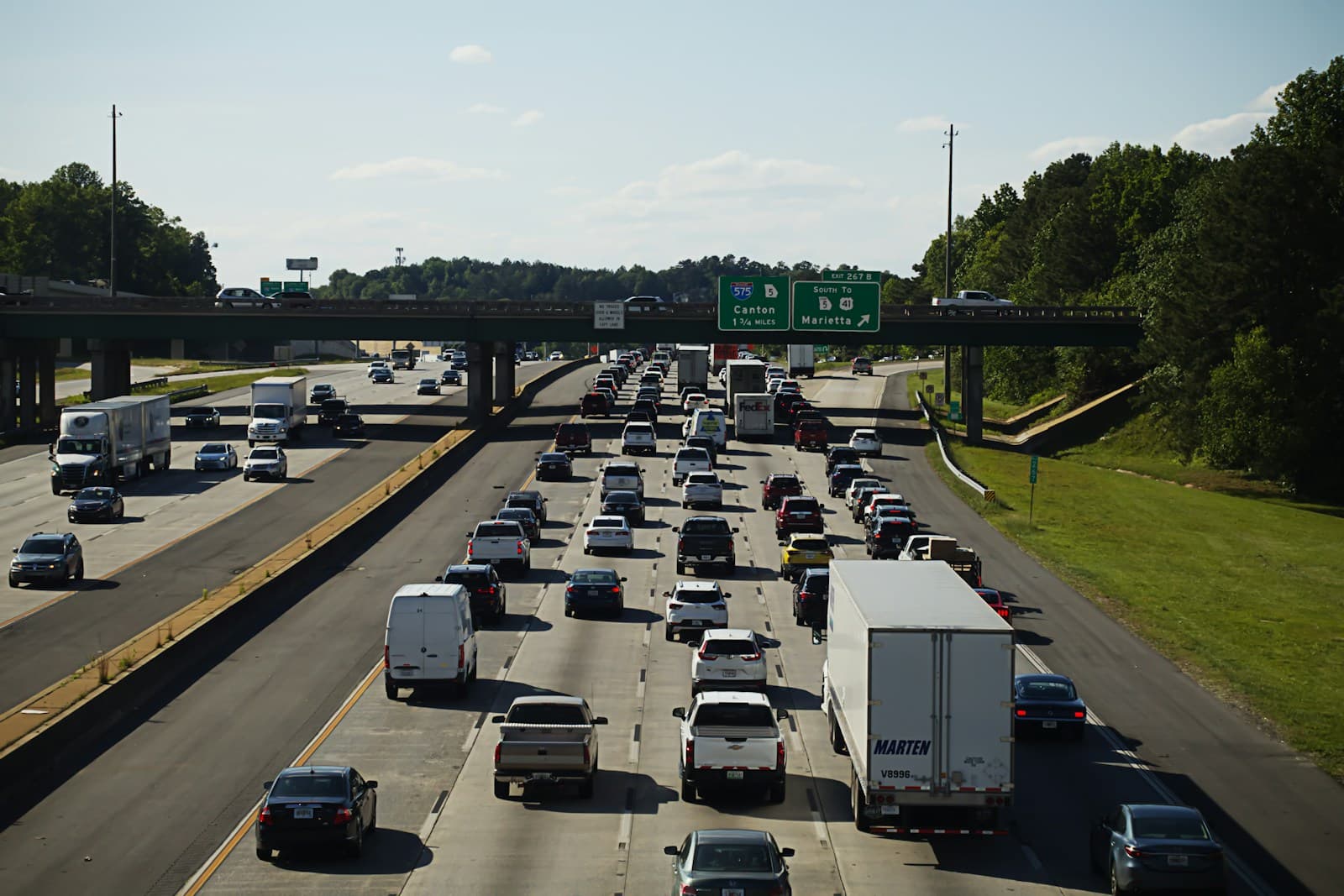
- I-71/I-75 Interchange Density: The I-71/I-75 corridor through downtown Cincinnati experiences high traffic volume and accident frequency, particularly near the Brent Spence Bridge approach. High-risk drivers with at-fault accidents in these zones often see 15–25% higher premiums due to repeat-risk weighting.
- Hamilton County Court SR-22 Requirements: Hamilton County Municipal Court mandates continuous SR-22 filing for DUI and suspension cases, with strict monitoring through Ohio BMV systems. Any lapse triggers immediate license suspension and restarts the filing clock, increasing total cost exposure for high-risk drivers.
- Kentucky Border Commuter Patterns: Cross-state commuters between Cincinnati and Northern Kentucky face dual-state rating factors if violations occurred in Kentucky but Ohio SR-22 is required. Carriers price for both Ohio minimums and cross-border accident exposure.
- Uninsured Driver Concentration: Certain Cincinnati neighborhoods show higher uninsured motorist rates, increasing collision risk for high-risk drivers who may already carry minimum coverage. Carriers adjust premiums upward in ZIP codes with documented UM claim frequency.
- Winter Weather Claim Patterns: Cincinnati's hilly terrain and seasonal ice conditions drive elevated at-fault accident claims November through February. High-risk drivers with prior weather-related accidents see steeper winter rate increases than clean-record drivers.

Find out exactly how long SR-22 is required in your state
Coverage Recommendations
Cost estimates are based on available industry data and vary by driver profile. These are not insurance quotes.
SR-22 Insurance
Ohio requires SR-22 filing for DUI convictions, license suspensions, multiple violations, and court-ordered cases. The SR-22 itself is a certificate your insurer files with Ohio BMV proving you carry at least state minimum liability; coverage must remain continuous for 3–5 years depending on offense, and any lapse restarts the clock.
$50 filing fee + 60–150% premium increase over standard ratesEstimated range only. Not a quote.
Liability Insurance
Ohio minimums are 25/50/25 ($25k per person injury, $50k per accident, $25k property damage). High-risk drivers often start with state minimums to reduce upfront cost, but raising limits to 50/100/50 or 100/300/100 costs less than the liability exposure from a single at-fault accident on Cincinnati's congested highways.
$80–$200/month for minimum; $120–$280/month for higher limitsEstimated range only. Not a quote.
Uninsured Motorist Coverage
Not required in Ohio but recommended for Cincinnati drivers due to pockets of higher uninsured rates in certain neighborhoods. If an uninsured driver hits you and you carry minimum liability only, you pay out-of-pocket for your injuries and vehicle damage—a steep cost for drivers already managing high premiums.
$15–$40/month additional for 25/50 UM limitsEstimated range only. Not a quote.
Non-Standard Auto Insurance
Non-standard carriers specialize in high-risk profiles—DUIs, lapses, multiple violations—and operate throughout Cincinnati. These insurers accept higher risk in exchange for higher premiums but offer path to standard market after 2–3 years of clean driving and continuous coverage.
Typically 50–100% more than standard market rates initiallyEstimated range only. Not a quote.