What Affects Rates in Springfield
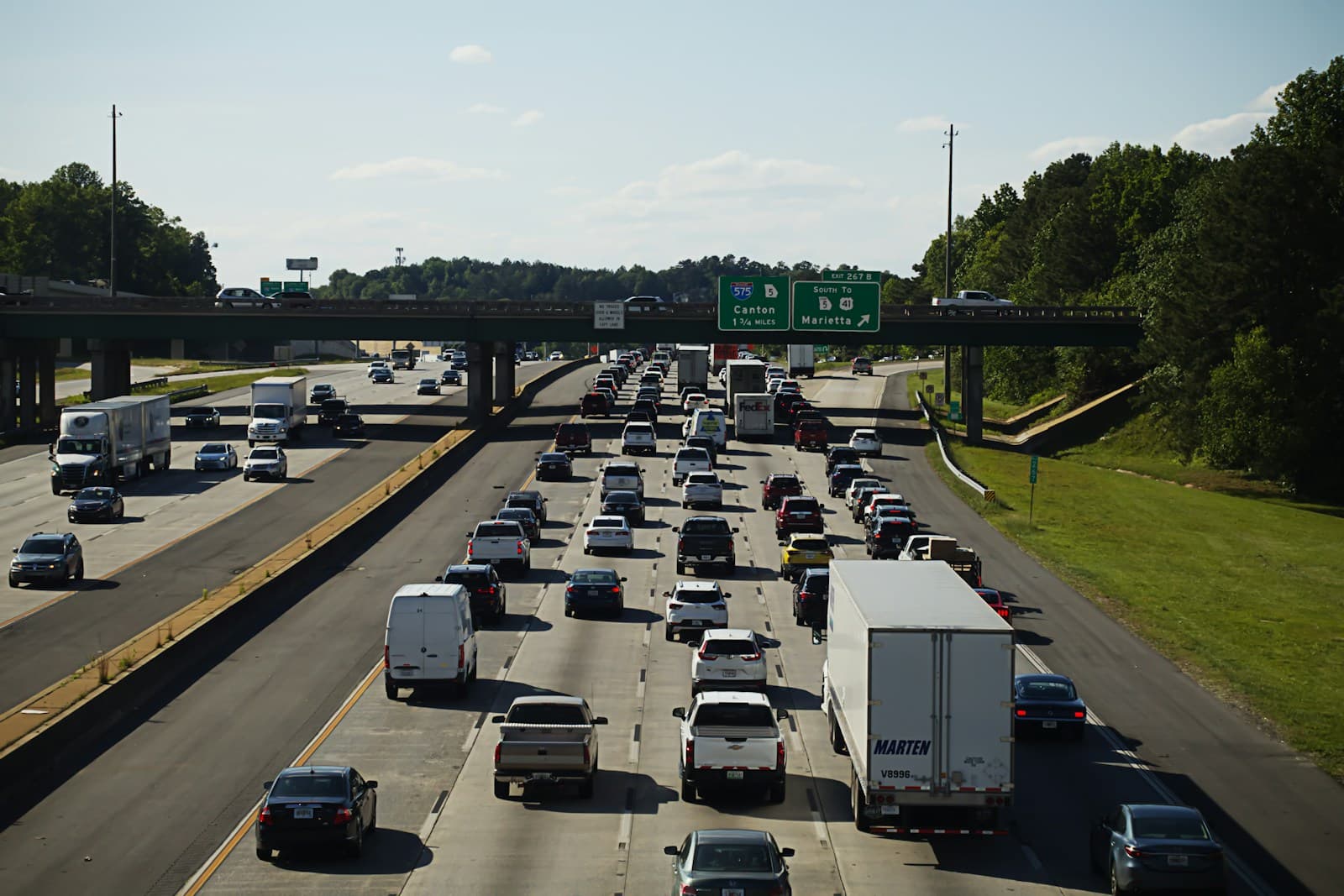
- Route 68 and Interstate 70 Accident Density: Springfield sits at the intersection of multiple high-traffic corridors including I-70 and US-68, creating elevated accident exposure for high-risk drivers already facing premium increases. Carriers factor in collision frequency along these routes when calculating rates for drivers with at-fault accidents or multiple violations.
- Clark County Court SR-22 Processing: Clark County Municipal Court handles most DUI and suspension cases, and SR-22 filings must be submitted to the Ohio BMV within 15 days of your court order. Delays in filing trigger extended suspension periods, which insurers view as additional risk and price accordingly.
- Winter Weather Impact on Non-Standard Risk: Springfield averages 27 inches of snow annually, and winter-related claims spike between December and February. High-risk drivers with prior at-fault accidents face steeper premiums here than in milder Ohio cities, as insurers price in the elevated likelihood of weather-related incidents.
- Uninsured Driver Concentration: Clark County has higher uninsured motorist rates than Ohio's urban centers, increasing the risk exposure for drivers already carrying SR-22 requirements. This pushes uninsured motorist coverage costs higher for non-standard policies in Springfield compared to Columbus or Dayton.
- Non-Standard Carrier Availability: Springfield has limited physical branch access to major standard carriers, but non-standard and regional insurers actively write policies here for DUI and high-risk profiles. Most coverage is written through independent agents who specialize in SR-22 and assigned risk placements.
Find out exactly how long SR-22 is required in your state
Coverage Recommendations
Cost estimates are based on available industry data and vary by driver profile. These are not insurance quotes.
SR-22 Insurance
Ohio requires SR-22 filing for 3 years after most DUIs and 5 years for repeat offenses or refusals. The filing itself costs $50, but your underlying policy cost will reflect your violation history—expect premiums 2–4x higher than standard rates in Springfield.
$50 filing + elevated premiumsEstimated range only. Not a quote.
Liability Insurance
Ohio's minimum—$25,000 per person, $50,000 per accident for injury, $25,000 for property—is the legal floor, but high-risk drivers should consider $100,000/$300,000/$100,000 to protect assets if you cause another accident. Springfield's I-70 traffic increases your exposure to multi-vehicle incidents.
$900–$2,200/year for high-riskEstimated range only. Not a quote.
Uninsured Motorist Coverage
Clark County's elevated uninsured driver rate makes this coverage critical for high-risk drivers who can't afford another at-fault claim. UM coverage typically adds $150–$400/year to non-standard policies in Springfield and protects you if an uninsured driver hits you.
$150–$400/year added costEstimated range only. Not a quote.
Non-Standard Auto Insurance
If standard carriers decline you after a DUI or multiple violations, non-standard insurers and Ohio's assigned risk plan provide coverage in Springfield. Policies cost 50–150% more than standard rates but fulfill SR-22 requirements and keep you legal while your record clears.
50–150% above standard ratesEstimated range only. Not a quote.