What Affects Rates in Oklahoma City
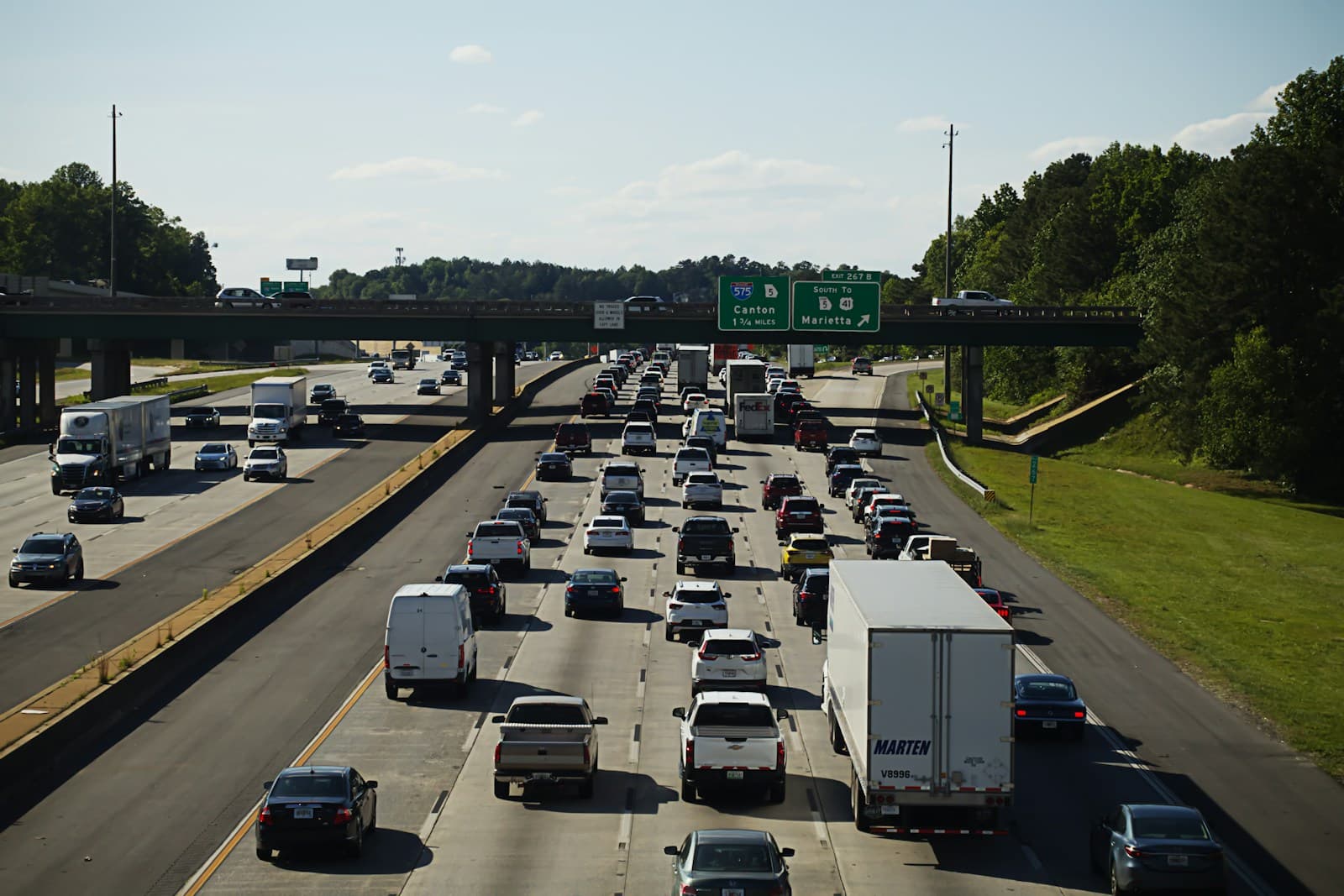
- I-35 and I-40 Corridor Crash Density: Oklahoma City sits at the intersection of two major interstates with high commercial traffic volume, resulting in elevated collision frequency that increases risk scores for drivers with at-fault accidents. Insurers apply higher base rates for zip codes adjacent to these corridors, particularly 73109, 73129, and 73149.
- Severe Weather and Hail Exposure: Oklahoma City ranks among the highest U.S. metro areas for hail and tornado frequency, which drives up comprehensive premiums even for high-risk drivers carrying minimum coverage. Carriers price SR-22 policies higher during spring months due to anticipated storm damage claims.
- Uninsured Motorist Concentration: With Oklahoma's uninsured driver rate at 14.2%, insurers factor collision risk with uninsured drivers into high-risk premiums. This affects rates most in lower-income zip codes like 73111 and 73115, where uninsured motorist claims are more frequent.
- Oklahoma County Court DUI Processing Times: Oklahoma County processes DUI cases through a centralized docket system, with conviction timelines ranging from 6–18 months. Drivers awaiting final disposition may face SR-22 filing requirements based on administrative license suspension alone, triggering high-risk pricing before criminal resolution.
- Non-Standard Carrier Market Depth: Oklahoma City has robust availability of non-standard carriers including Direct Auto, Acceptance Insurance, and The General, which compete for high-risk drivers and create rate variability. Shopping across 3–5 non-standard providers can yield rate differences of 30–50% for identical SR-22 coverage.

Find out exactly how long SR-22 is required in your state
Coverage Recommendations
Cost estimates are based on available industry data and vary by driver profile. These are not insurance quotes.
SR-22 Insurance
Oklahoma requires SR-22 filing for DUI convictions, license suspensions, and certain repeat violations for 3 years. The filing itself costs $25–$50, but underlying liability coverage for high-risk drivers in Oklahoma City runs $150–$350/month depending on violation severity and zip code.
$150–$350/month plus $25–$50 filingEstimated range only. Not a quote.
Liability Insurance
Oklahoma's minimum liability limits are $25,000 per person/$50,000 per accident for bodily injury and $25,000 for property damage. High-risk drivers should consider $50,000/$100,000/$50,000 limits given the metro's uninsured driver rate and crash frequency on I-35 and I-40, adding $30–$60/month over state minimums.
$120–$280/month for minimum; $150–$340 for higher limitsEstimated range only. Not a quote.
Uninsured Motorist Coverage
With 14.2% of Oklahoma drivers uninsured and concentrated in certain Oklahoma City zip codes, uninsured motorist coverage protects high-risk drivers from out-of-pocket costs if hit by an uninsured driver. Coverage typically adds $15–$35/month to SR-22 policies and is often underutilized by drivers focused only on meeting minimum SR-22 requirements.
$15–$35/month added to base policyEstimated range only. Not a quote.
Non-Standard Auto Insurance
Non-standard carriers in Oklahoma City specialize in high-risk profiles including DUIs, multiple violations, and lapses. These carriers often approve drivers declined by standard markets and offer monthly payment plans, though rates run 40–80% higher than standard market equivalents based on available industry data; individual rates vary.
40–80% above standard market ratesEstimated range only. Not a quote.