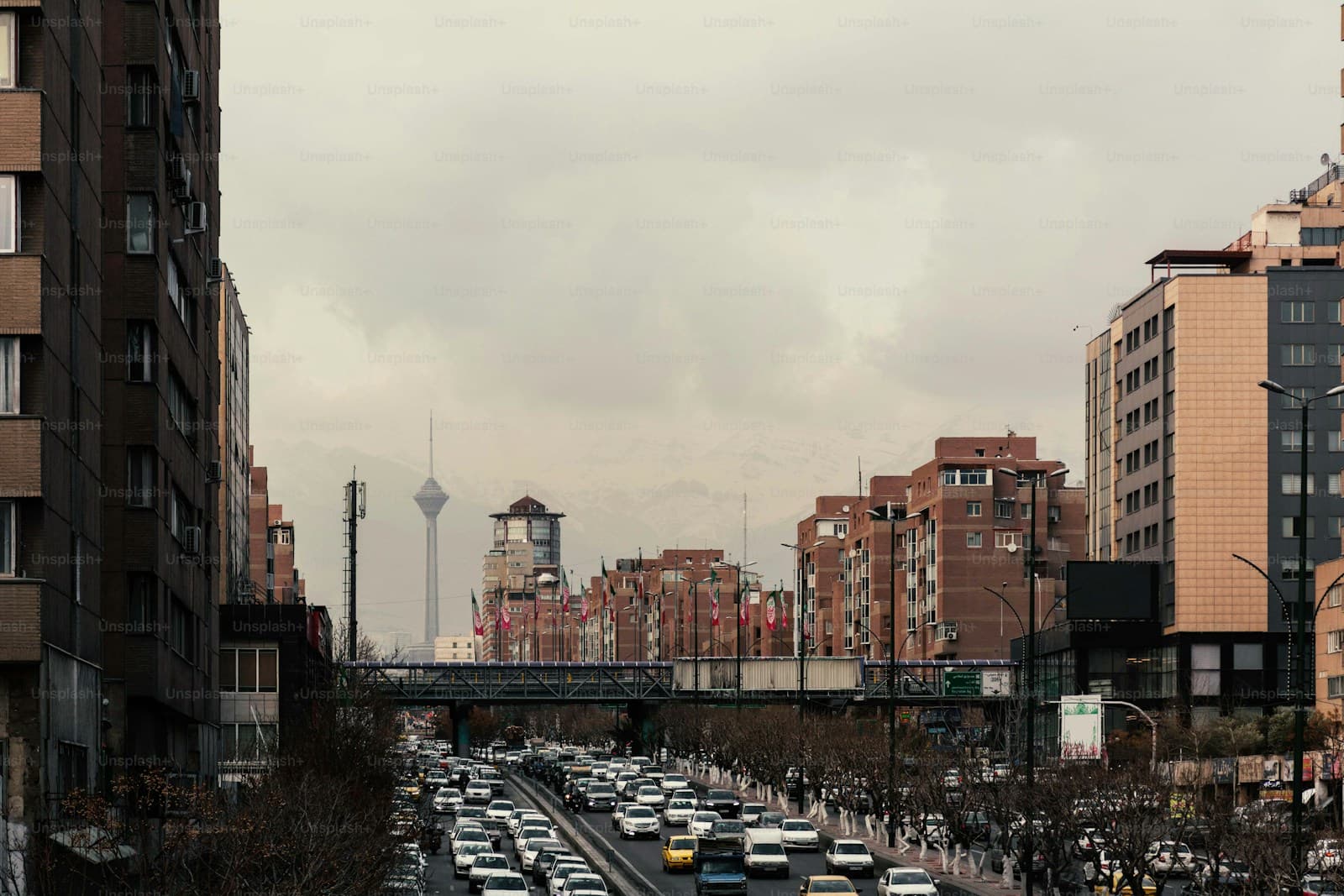
What Affects Rates in Pittsburgh
- Allegheny County DUI Court System: Pennsylvania requires SR-22 for DUI convictions, license suspensions for chemical test refusals, and repeat offenses. Allegheny County processes thousands of DUI cases annually, and the three-year SR-22 requirement begins only after license restoration—not during suspension—which extends the total timeline for high-risk drivers.
- Urban Density and Accident Frequency: Pittsburgh's steep terrain, narrow streets, and multiple tunnel and bridge chokepoints create higher accident frequency zones downtown and along I-376 and I-279. High-risk drivers already flagged for at-fault accidents face steeper premiums in these congested corridors where collision likelihood remains elevated.
- Uninsured Driver Concentration: Pennsylvania's uninsured motorist rate exceeds 10%, with concentrations higher in urban centers like Pittsburgh. Carriers price high-risk policies with this exposure in mind, especially since uninsured motorist coverage is not mandatory but highly recommended for drivers who can't afford another at-fault claim.
- Winter Weather and Road Conditions: Pittsburgh averages 41 inches of snow annually, and the city's hills make winter driving treacherous. Drivers with prior at-fault accidents or violations see higher comprehensive and collision premiums because carriers factor in seasonal claim spikes tied to ice, snow, and reduced visibility.
- Limited Tort vs. Full Tort Election: Pennsylvania's choice no-fault system lets drivers elect limited tort (lower premiums, restricted lawsuit rights) or full tort (higher premiums, unrestricted rights). High-risk drivers often choose limited tort to reduce base costs, but this limits recovery options if injured by another driver—critical for those who can't afford out-of-pocket medical costs after a future accident.

Find out exactly how long SR-22 is required in your state
Coverage Recommendations
Cost estimates are based on available industry data and vary by driver profile. These are not insurance quotes.
SR-22 Insurance
Pennsylvania requires SR-22 for DUI convictions, multiple violations, driving uninsured, or serious at-fault accidents. The SR-22 itself is a certificate your insurer files with PennDOT proving you carry at least state minimum liability ($15,000/$30,000/$5,000), and any lapse triggers license suspension again.
$25–$50 filing fee plus elevated premiumEstimated range only. Not a quote.
Liability Insurance
State minimums are $15,000 per person/$30,000 per accident for bodily injury and $5,000 for property damage, but high-risk drivers should consider higher limits—$50,000/$100,000/$25,000 or more—because one serious at-fault crash can exceed minimums and trigger personal asset exposure. Premiums increase with limits, but the gap narrows for non-standard policies already priced high.
State minimum insufficient for most scenariosEstimated range only. Not a quote.
Uninsured Motorist Coverage
Not mandatory in Pennsylvania, but critical in Pittsburgh where more than 10% of drivers lack insurance. If an uninsured driver hits you and you're already rebuilding from a DUI or violation, this coverage pays your medical bills and lost wages without another premium spike from an at-fault claim on your record.
Optional but essential given local uninsured rateEstimated range only. Not a quote.
Non-Standard Auto Insurance
Carriers like The General, Dairyland, and Progressive's non-standard divisions specialize in high-risk drivers in Pittsburgh. These policies cost more than standard market rates but provide the continuous coverage required to maintain SR-22 status and eventually graduate back to preferred pricing after three claim-free years.
$180–$350/mo typical for major violationsEstimated range only. Not a quote.