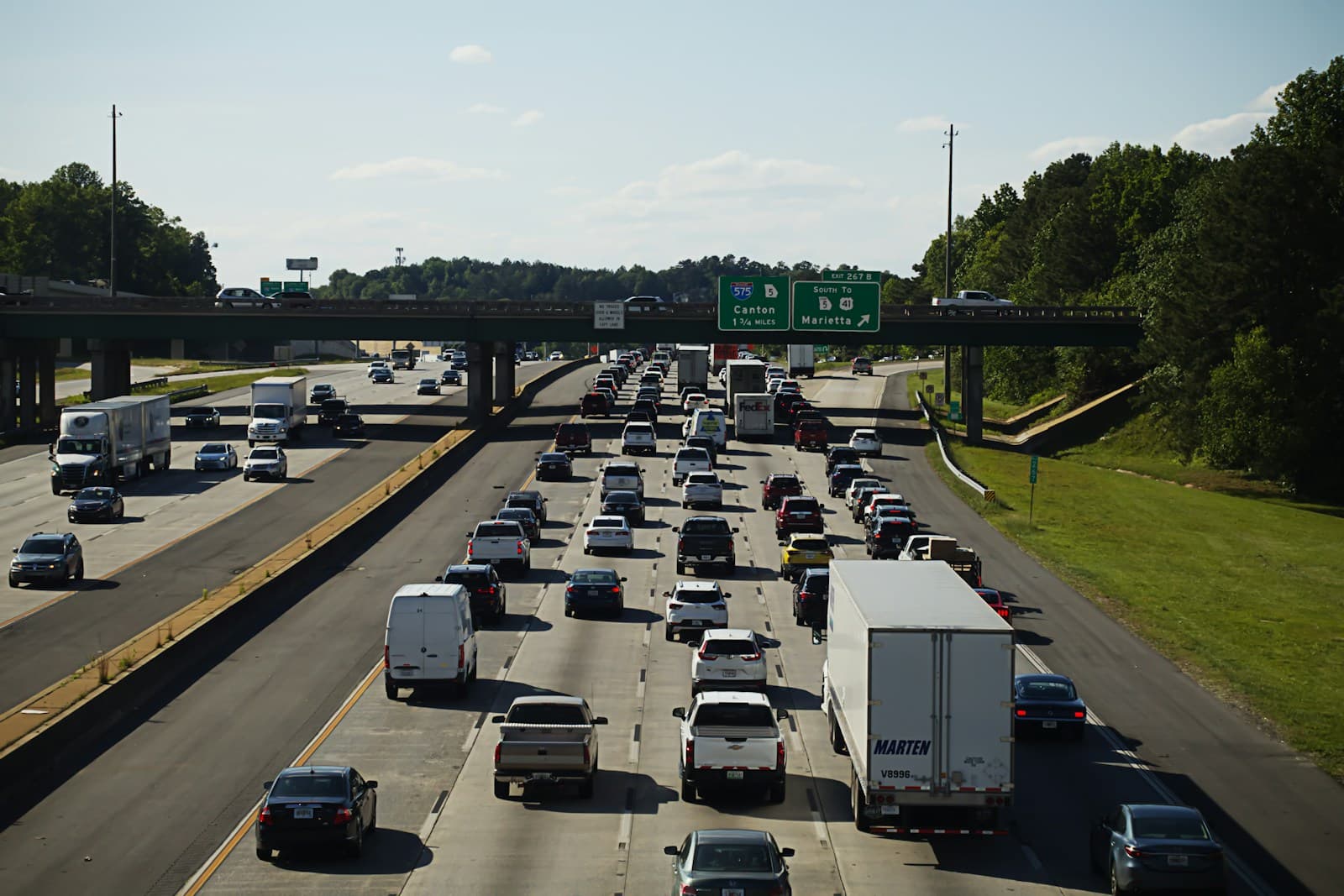
What Affects Rates in Sioux Falls
- I-29 Corridor Traffic Volume: I-29 runs directly through Sioux Falls, carrying heavy regional freight and commuter traffic. High-risk drivers with at-fault accidents on this corridor often see elevated premiums because insurers weight highway crash severity higher than in-city collisions.
- Minnehaha County DUI Conviction Rates: Minnehaha County processes a disproportionate share of South Dakota's DUI cases due to Sioux Falls' population density and nightlife concentration on Phillips Avenue and downtown. This increases the local non-standard insurance pool, which can keep high-risk rates competitive compared to rural South Dakota.
- Uninsured Driver Concentration: South Dakota's uninsured motorist rate sits near 10%, with Sioux Falls reflecting that average. For high-risk drivers, uninsured motorist coverage becomes critical because a hit-and-run or crash with an uninsured driver can trigger rate increases even when not at fault.
- Winter Weather Claim Frequency: Sioux Falls averages 40+ inches of snow annually, with frequent freezing rain from November through March. High-risk drivers with comprehensive or collision coverage see higher premiums because winter multi-car pileups on I-229 and 41st Street create elevated claim costs for insurers.
- State-Mandated Minimum Liability Limits: South Dakota requires only 25/50/25 liability limits, among the lowest in the U.S. High-risk drivers often carry state minimums to reduce premiums, but a serious at-fault crash on I-29 or Minnesota Avenue can exceed those limits quickly, triggering personal asset exposure and future insurability issues.

Find out exactly how long SR-22 is required in your state
Coverage Recommendations
Cost estimates are based on available industry data and vary by driver profile. These are not insurance quotes.
SR-22 Insurance
SR-22 is a financial responsibility certificate filed by your insurer with the South Dakota Department of Public Safety, required for 3 years after DUI, reckless driving, or driving without insurance convictions. The filing itself costs $25–$50, but the underlying policy for high-risk drivers in Sioux Falls typically runs $150–$350/month depending on violation severity.
$150–$350/month average in Sioux FallsEstimated range only. Not a quote.
Liability Insurance
South Dakota requires 25/50/25 minimum liability, but high-risk drivers involved in serious crashes on I-29 or I-229 should consider 100/300/100 limits. Medical costs and vehicle damage from multi-car pileups in winter conditions can easily exceed state minimums, exposing you to lawsuits and wage garnishment.
State minimum: $100–$250/month high-risk; 100/300/100: $180–$400/monthEstimated range only. Not a quote.
Uninsured Motorist Coverage
With roughly 1 in 10 South Dakota drivers uninsured, this coverage protects you if hit by someone without insurance or in a hit-and-run on Phillips Avenue or Minnesota Avenue. For high-risk drivers, it prevents out-of-pocket medical bills and vehicle repairs that could further destabilize your insurance situation.
$15–$40/month added to high-risk policyEstimated range only. Not a quote.
Non-Standard Auto Insurance
Carriers like The General, Acceptance, and Bristol West specialize in high-risk policies for drivers with DUIs, suspensions, or multiple violations in Sioux Falls. These non-standard insurers typically charge 30–50% more than standard carriers but offer coverage when State Farm or Progressive decline.
$150–$350/month typical in Sioux FallsEstimated range only. Not a quote.