What Affects Rates in Memphis
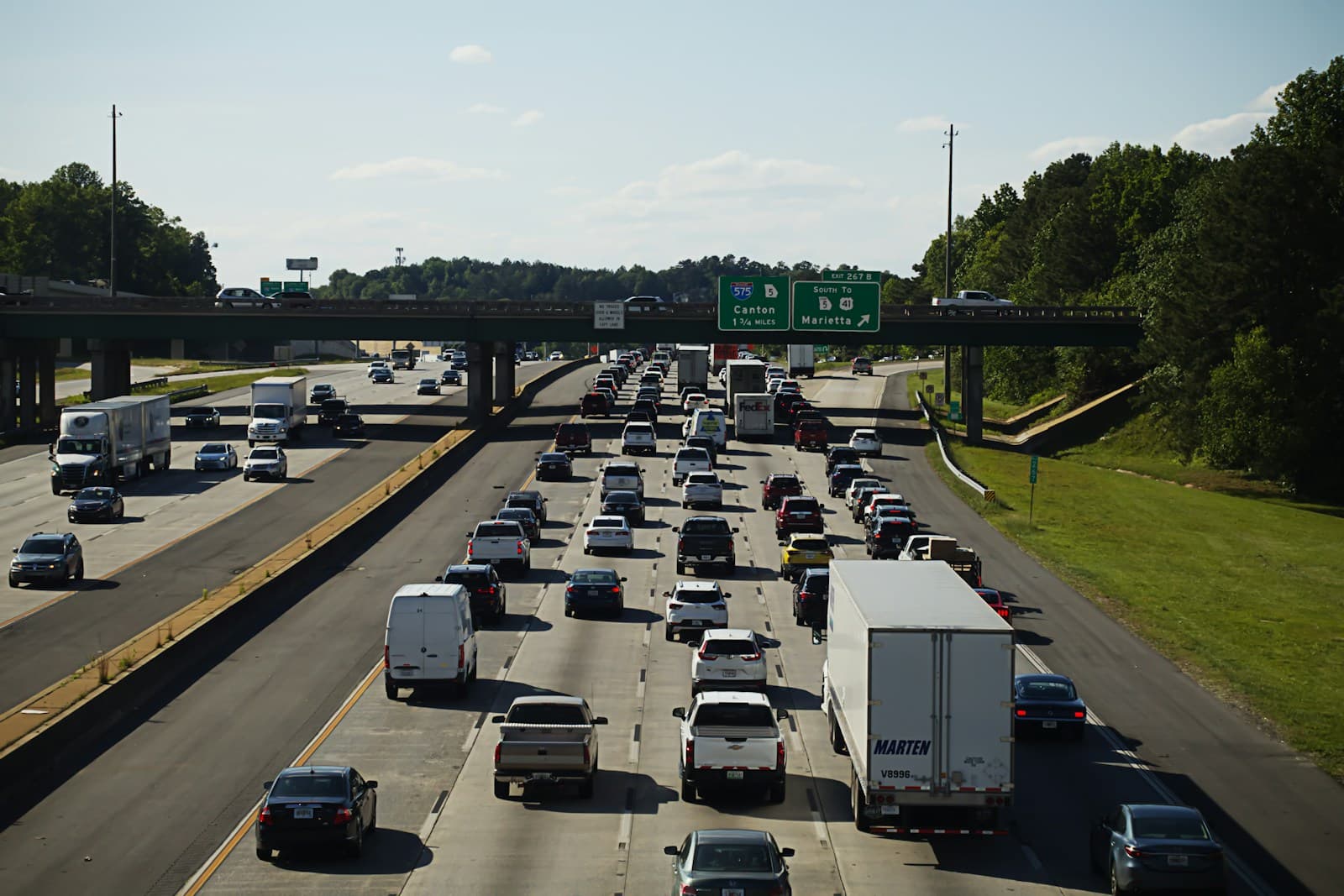
- I-240 and I-40 Interchange Accident Density: The I-240 loop around Memphis and its junctions with I-40 see elevated collision rates due to truck traffic and commuter volume, particularly near the Poplar Avenue and Union Avenue exits. Carriers factor this urban accident density into high-risk pricing, especially for drivers with at-fault accidents already on record.
- Elevated Uninsured Motorist Rate in Shelby County: Shelby County consistently reports higher uninsured driver rates than Tennessee's state average, concentrated in southwest and northern Memphis zip codes. This increases uninsured motorist coverage costs and total premium for high-risk drivers who already face elevated base rates.
- Downtown Memphis and Midtown Traffic Congestion: Dense stop-and-go traffic along Poplar Avenue, Union Avenue, and Beale Street raises rear-end and sideswipe collision frequency. Drivers with prior at-fault accidents see compounded rate increases when garaging vehicles in 38103, 38104, or 38105 zip codes.
- Severe Weather and Flash Flooding Risk: Memphis experiences spring severe thunderstorms and localized flash flooding, particularly in low-lying areas near the Wolf River. Comprehensive claims from weather damage are factored into non-standard pricing, especially when combined with lapsed coverage history that left previous vehicles unprotected.
- Tennessee SR-22 Compliance Monitoring: Tennessee requires insurers to notify the state immediately if SR-22 coverage lapses, triggering automatic license suspension. Memphis drivers with SR-22 requirements must maintain continuous coverage without gaps, making month-to-month payment reliability critical to avoid compounding penalties.

Find out exactly how long SR-22 is required in your state
Coverage Recommendations
Cost estimates are based on available industry data and vary by driver profile. These are not insurance quotes.
SR-22 Insurance
Tennessee-mandated proof-of-insurance filing required after DUI, reckless driving, driving without insurance, or multiple violations within 12 months. The SR-22 certificate itself costs $25–$50, filed by your insurer directly with the Tennessee Department of Safety; you must maintain it for three uninterrupted years or face license suspension.
$25–$50 filing fee + underlying policy costEstimated range only. Not a quote.
Liability Insurance
Tennessee requires 25/50/15 minimums ($25,000 per person injury, $50,000 per accident injury, $15,000 property damage), but high-risk drivers in Memphis should consider 50/100/50 or higher due to elevated uninsured driver exposure and at-fault liability that follows your record. Many SR-22 carriers offer state minimum only; higher limits require non-standard insurers willing to write increased coverage for drivers with violations.
$120–$280/mo for state minimums with high-risk profileEstimated range only. Not a quote.
Uninsured Motorist Coverage
Shelby County's above-average uninsured driver rate makes UM/UIM coverage particularly important for Memphis high-risk drivers, who cannot afford another at-fault claim or out-of-pocket loss. Tennessee requires insurers to offer UM matching your liability limits, though you can reject it in writing; rejection is rarely advisable given Memphis collision risk and your elevated premium consequence from additional claims.
$30–$70/mo additional for UM matching 50/100 liabilityEstimated range only. Not a quote.
Non-Standard Auto Insurance
Non-standard carriers specialize in high-risk profiles — multiple DUIs, suspended licenses, SR-22 requirements, or recent lapses that disqualify you from preferred or standard insurers. These policies typically cost $180–$350/month in Memphis and often require six-month upfront payment or monthly reporting, but provide the liability coverage legally required to reinstate your license and fulfill SR-22 filing obligations.
$180–$350/mo typical for DUI or major violation historyEstimated range only. Not a quote.