What Affects Rates in Plano
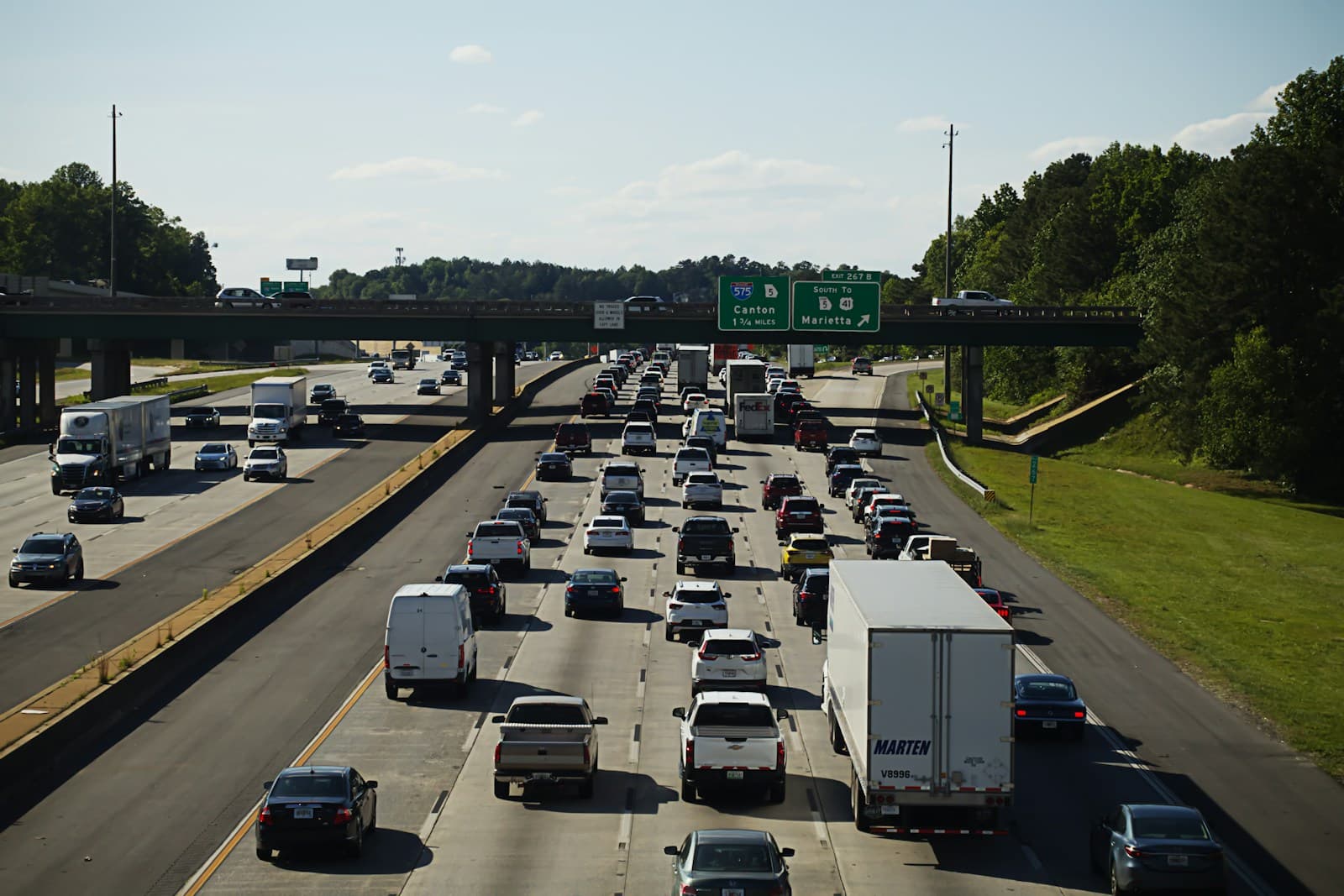
- US-75 and DNT Corridor Density: Plano's position along the Central Expressway (US-75) and Dallas North Tollway creates heavy commuter congestion during peak hours, increasing accident frequency and raising premiums for drivers with prior at-fault incidents. High-risk drivers face steeper surcharges in zip codes near these corridors (75023, 75024, 75025) due to elevated claim frequency.
- Collin County Court Processing: DUI and reckless driving cases processed through Collin County courts typically result in SR-22 requirements filed with Texas DPS, with conviction data appearing on driving records within 10–15 days. Faster reporting means high-risk surcharges begin sooner than in counties with slower administrative processing.
- Legacy Drive and Parker Road Accident Clusters: Intersections along Legacy Drive between the Tollway and US-75, and Parker Road through East Plano, show higher accident rates during evening rush periods. Drivers with prior violations living or commuting through these areas face location-based premium increases from carriers using telematics or zip-code risk modeling.
- High Vehicle Ownership Rates: Plano's above-average household income correlates with higher rates of vehicle ownership and newer car values, which affects comprehensive and collision premiums for high-risk drivers required to carry full coverage as a probation or loan condition. Median vehicle value in Plano exceeds $28,000, raising replacement cost calculations.
- Storm and Hail Exposure: North Texas hail storms occurring March through May create comprehensive claim spikes that affect renewal pricing for all drivers, but high-risk profiles see compounded increases when storm claims stack atop existing violation surcharges. Plano averages 2–3 significant hail events per year.

Find out exactly how long SR-22 is required in your state
Coverage Recommendations
Cost estimates are based on available industry data and vary by driver profile. These are not insurance quotes.
SR-22 Insurance
SR-22 is a certificate of financial responsibility filed by your insurer with Texas DPS, not a separate policy. Required for 2 years following DUI convictions, driving without insurance, repeated violations, or license suspensions. Coverage must meet Texas minimums (30/60/25) without lapse, or the clock resets.
$15–$50 filing fee plus high-risk premiumEstimated range only. Not a quote.
Liability Insurance
Texas-mandated minimums are $30,000 per injured person, $60,000 per accident, and $25,000 property damage. High-risk drivers in Plano pay $150–$300/month for state minimums alone; increasing to 50/100/50 limits adds $30–$60/month but provides critical protection in at-fault scenarios on congested Plano roads.
$150–$300/mo for minimumsEstimated range only. Not a quote.
Uninsured Motorist Coverage
With approximately 14% of Texas drivers uninsured, UM/UIM coverage protects high-risk drivers already facing elevated premiums from out-of-pocket costs if hit by an uninsured driver on US-75 or local roads. Available in matching liability limits; rejection must be in writing.
$20–$50/mo additionalEstimated range only. Not a quote.
Non-Standard Auto Insurance
Non-standard carriers like Acceptance, Infinity, and Gainsco specialize in high-risk profiles and operate in Plano for drivers rejected by preferred carriers. Premiums run 40–80% higher than standard market rates but provide path to coverage when SR-22 filing or recent DUI makes preferred placement unavailable.
$200–$400/mo typical rangeEstimated range only. Not a quote.