What Affects Rates in San Antonio
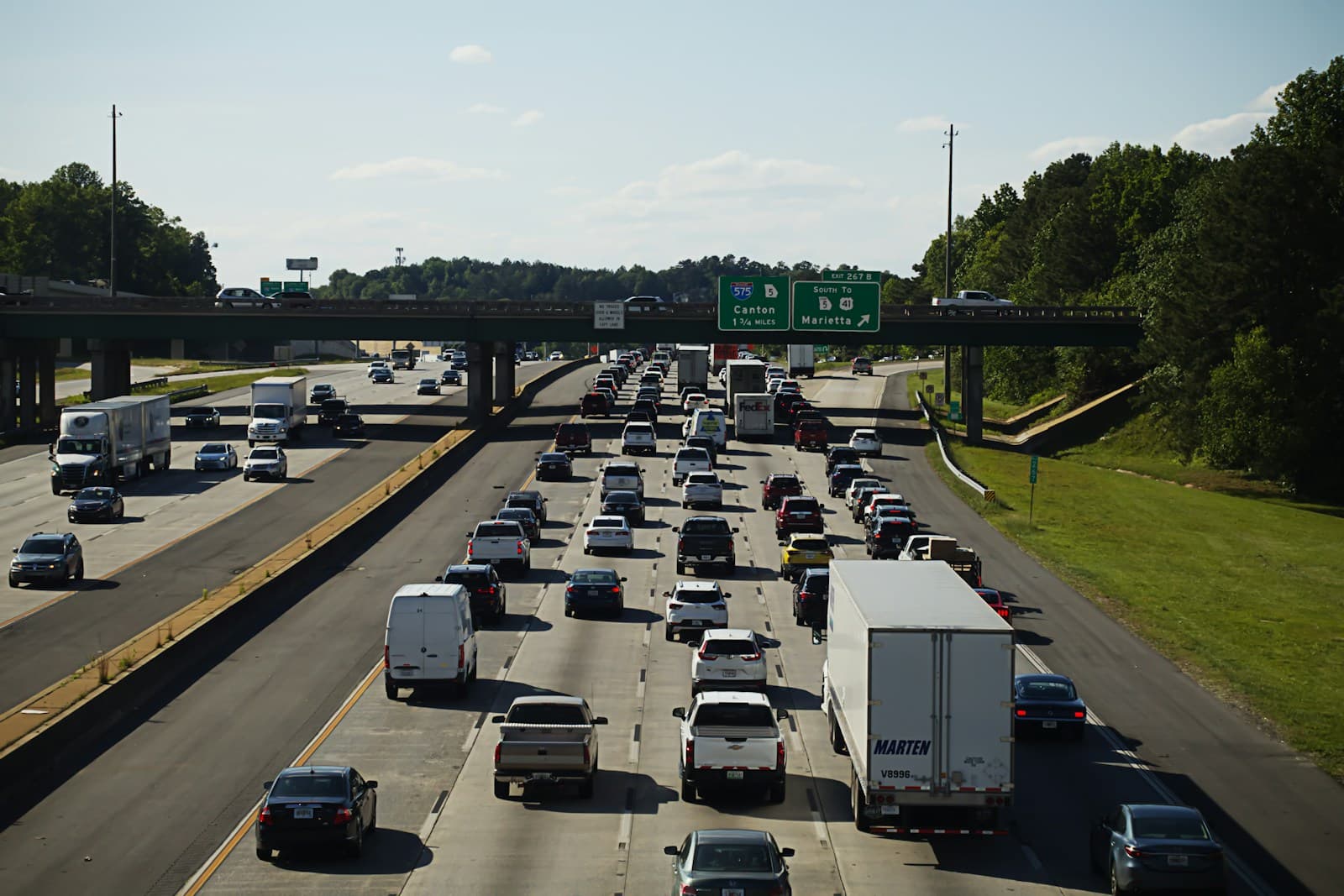
- I-10/I-35 Interchange Congestion: San Antonio's downtown highway convergence zone sees heavy accident frequency, elevating collision rates for high-risk drivers already facing surcharges. Carriers price North Central and Northwest corridor ZIP codes higher due to traffic density and at-fault claim volume.
- Bexar County Uninsured Driver Concentration: With uninsured motorist rates exceeding 14% across Bexar County — well above the state average of 12% — high-risk drivers face steeper uninsured motorist coverage costs. Carriers assume elevated risk of hit-and-run or underinsured claims in South Side and East Side neighborhoods.
- Military Population and USAA Alternatives: San Antonio's Joint Base San Antonio concentration means many standard-risk drivers access USAA or military-affiliated carriers. High-risk drivers without military affiliation rely on non-standard carriers like Acceptance, Dairyland, and Direct Auto, which maintain significant San Antonio presence but price 40–70% higher than standard market.
- Texas DPS SR-22 Monitoring: Texas DPS requires real-time electronic SR-22 filing and monitors lapses closely. A single day of coverage interruption triggers automatic license suspension and restarts the 2-year SR-22 clock, making continuous-payment policies critical for San Antonio drivers managing violations or DWI requirements.
- Urban Hail and Flood Zones: San Antonio's location in Central Texas flash flood corridors and seasonal hail belts increases comprehensive premiums for high-risk drivers financing vehicles. Carriers add 15–25% to full-coverage policies in Northwest Bexar County and Hill Country ZIP codes with elevated weather claim histories.
Find out exactly how long SR-22 is required in your state
Coverage Recommendations
Cost estimates are based on available industry data and vary by driver profile. These are not insurance quotes.
SR-22 Insurance
Texas-mandated proof of financial responsibility filed electronically by your carrier to DPS. Required for 2 years following DUI, multiple violations, driving without insurance, or at-fault accidents while uninsured. Coverage cannot lapse — even one missed payment triggers license suspension and restarts the clock.
$25–$50 filing fee plus 60–150% higher premiumsEstimated range only. Not a quote.
Liability Insurance
Texas minimums are 30/60/25 — $30,000 per person/$60,000 per accident for injury, $25,000 property damage. High-risk drivers in San Antonio should consider 50/100/50 or higher due to at-fault exposure and uninsured driver prevalence; minimum coverage leaves you exposed to lawsuits exceeding policy limits in serious I-10 or Loop 1604 collisions.
$90–$200/month for state minimums with violationsEstimated range only. Not a quote.
Uninsured Motorist Coverage
Covers your injuries and vehicle damage when hit by uninsured or hit-and-run drivers — critical in San Antonio where 14%+ of drivers carry no insurance. Not required in Texas but highly recommended for high-risk drivers who cannot afford out-of-pocket repair or medical costs after a non-fault accident.
$15–$40/month added to liability-only policiesEstimated range only. Not a quote.
Non-Standard Auto Insurance
Specialized carriers like Acceptance, Dairyland, Direct Auto, and The General serve San Antonio drivers with DUIs, lapses, or multiple violations. These insurers operate storefronts in high-traffic corridors along Fredericksburg Road, South Flores, and Culebra Road, offering same-day SR-22 filing and flexible payment plans but at 40–70% higher rates than standard market.
$175–$350/month typical for full coverageEstimated range only. Not a quote.