What Affects Rates in Essex
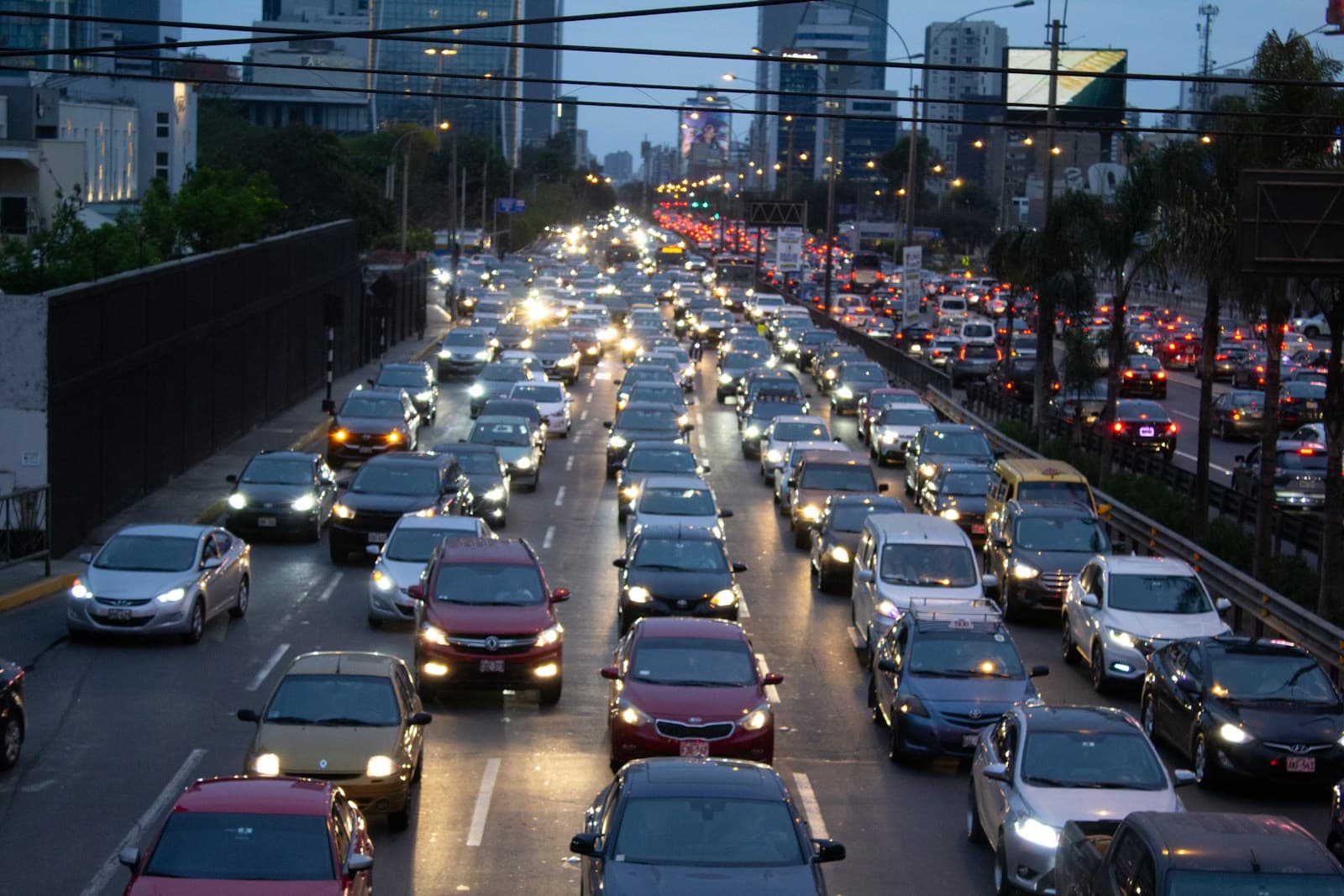
- Route 15 Corridor Traffic Density: Essex's primary east-west artery through the Five Corners area experiences consistent commuter volume and multi-vehicle collision potential. High-risk drivers face elevated premiums due to increased accident exposure along this corridor, particularly during morning and evening Burlington commutes.
- Winter Weather Severity: Vermont's Champlain Valley region sees annual snowfall averaging 80+ inches, with black ice and reduced visibility conditions extending from November through March. Drivers with at-fault accidents already on record face steeper comprehensive and collision premiums due to seasonal claim frequency.
- Burlington Metro Proximity: Essex functions as a bedroom community for Burlington, creating daily high-volume traffic flow toward Chittenden County employment centers. This commuter pattern increases underwriting scrutiny for drivers with multiple violations, as insurers account for sustained highway exposure.
- Vermont DUI Court Requirements: Vermont requires SR-22 filing for DUI convictions, license suspensions for refusal, and certain repeat offenses. Chittenden County Superior Court processes these cases, and Essex drivers typically maintain SR-22 status for the full 3-year period with no early release option.
- Rural Route Risk Assessment: Outside Essex Junction's core, rural roadways like Sand Hill Road and Old Stage Road present limited lighting and emergency response times. Insurers factor these conditions into collision and liability pricing for drivers already classified as high-risk.
Find out exactly how long SR-22 is required in your state
Coverage Recommendations
Cost estimates are based on available industry data and vary by driver profile. These are not insurance quotes.
SR-22 Insurance
Vermont requires SR-22 certificates filed directly with the DMV for 3 years following DUI convictions, serious violations, or license reinstatement after suspension. Your insurer files electronically; any lapse triggers immediate suspension, so continuous coverage is non-negotiable.
$25–$50 filing fee plus elevated premiumsEstimated range only. Not a quote.
Liability Insurance
Vermont's minimum liability limits are $25,000 per person/$50,000 per accident for bodily injury and $10,000 for property damage. High-risk drivers should consider $100,000/$300,000/$100,000 limits given Essex's commuter traffic patterns and Vermont's at-fault liability system, which exposes you to lawsuits exceeding minimum coverage.
$140–$280/month for high-risk profilesEstimated range only. Not a quote.
Uninsured Motorist Coverage
Vermont law requires insurers to offer uninsured/underinsured motorist coverage at the same limits as your liability policy unless you reject it in writing. Given that roughly 7–9% of Vermont drivers operate without insurance, this coverage protects high-risk drivers who cannot afford another at-fault claim from an uninsured party.
$30–$60/month additionalEstimated range only. Not a quote.
Non-Standard Auto Insurance
If standard carriers decline coverage due to your DUI or violation history, non-standard insurers operating in Vermont provide state-minimum policies with SR-22 filing capability. These policies often exclude collision/comprehensive initially but allow step-down to standard markets after 1–2 violation-free years.
$200–$380/month for full coverageEstimated range only. Not a quote.