What Affects Rates in Roanoke
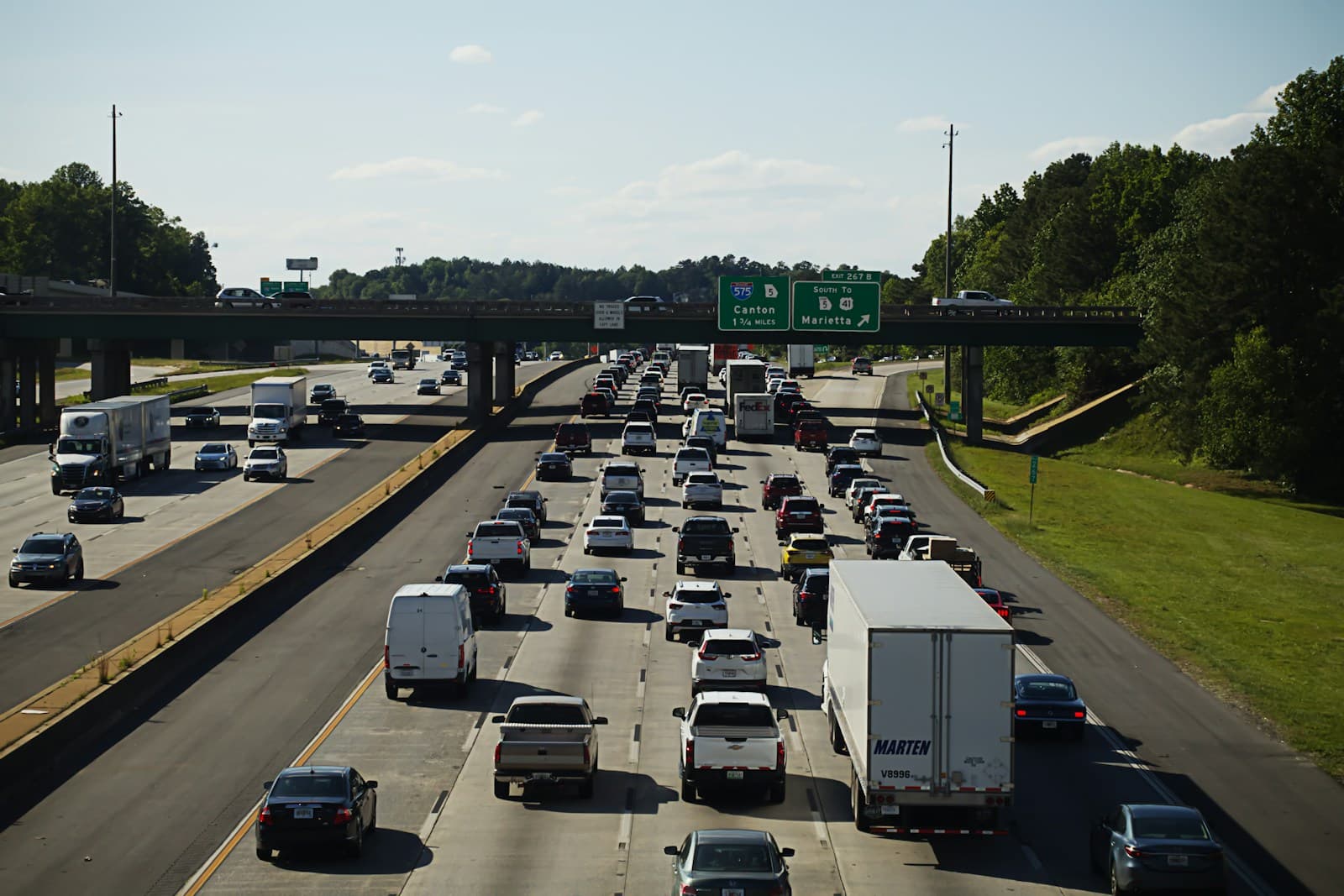
- I-81 Corridor Traffic Density: Roanoke sits along the I-81 corridor, where high commercial truck volumes and frequent congestion contribute to elevated accident rates. High-risk drivers face steeper premiums here due to increased collision exposure on routes like I-581 and US-220, particularly during winter weather events common in the Blue Ridge foothills.
- Roanoke City Court SR-22 Triggers: Roanoke General District Court processes DUI and reckless driving cases (20+ mph over or 80+ mph statewide) that commonly result in SR-22 requirements. A first-offense DUI in Virginia carries mandatory license suspension and typically triggers a 3-year SR-22 filing period, with premiums often doubling or tripling during that window.
- Southwest Virginia Uninsured Driver Concentration: Rural areas surrounding Roanoke show higher uninsured motorist rates than Northern Virginia suburbs. Carriers price uninsured motorist coverage accordingly, and high-risk drivers often see this coverage add $30–$60/month to premiums—but it's critical given collision risk from uninsured drivers on routes like US-460 and VA-24.
- Regional Non-Standard Carrier Availability: Roanoke has access to non-standard carriers including The General, Direct Auto, and Progressive's high-risk tier, which operate through local independent agents and online channels. Regional competition keeps rates somewhat lower than in isolated rural Southwest Virginia towns, though still significantly higher than standard-tier pricing.
- Weather-Related Incident Patterns: Roanoke's Blue Ridge location brings ice storms and fog that increase winter collision rates, particularly on elevated stretches of I-581 and US-220 Business. Carriers factor local weather claim patterns into high-risk pricing, and drivers with at-fault accidents during winter months may see longer rate impacts.

Find out exactly how long SR-22 is required in your state
Coverage Recommendations
Cost estimates are based on available industry data and vary by driver profile. These are not insurance quotes.
SR-22 Insurance
Virginia requires SR-22 as proof of financial responsibility following DUI, reckless driving convictions, driving uninsured, or license suspension. The filing itself costs $15–$25, but the underlying high-risk policy in Roanoke typically runs $180–$350/month depending on violation severity and your prior insurance history.
$180–$350/month typical premium rangeEstimated range only. Not a quote.
State Minimum Liability
Virginia mandates 25/50/20 liability limits ($25k per person injury, $50k per accident injury, $20k property damage). High-risk drivers in Roanoke can meet SR-22 requirements with state minimums, though claims exceeding these limits expose you to personal liability—a concern on I-81 commercial truck routes where multi-vehicle accidents produce six-figure medical bills.
Minimum to meet SR-22; consider higher limitsEstimated range only. Not a quote.
Uninsured Motorist Coverage
Southwest Virginia's elevated uninsured driver rate makes UM coverage essential, especially for high-risk drivers whose own policy may already carry high deductibles. Roanoke carriers typically offer 25/50 UM to match liability minimums; expect $30–$60/month added cost, but it protects you if hit by an uninsured driver on US-220 or VA-24.
$30–$60/month additionalEstimated range only. Not a quote.
Non-Standard Auto Insurance
Carriers like The General, Direct Auto, Dairyland, and National General specialize in high-risk profiles including DUIs, multiple violations, and coverage lapses. Roanoke drivers typically access these through independent agents or direct online quotes; premiums run higher but acceptance rates are far better than standard carriers after serious violations.
Acceptance-focused; higher premiumsEstimated range only. Not a quote.