What Affects Rates in Vancouver
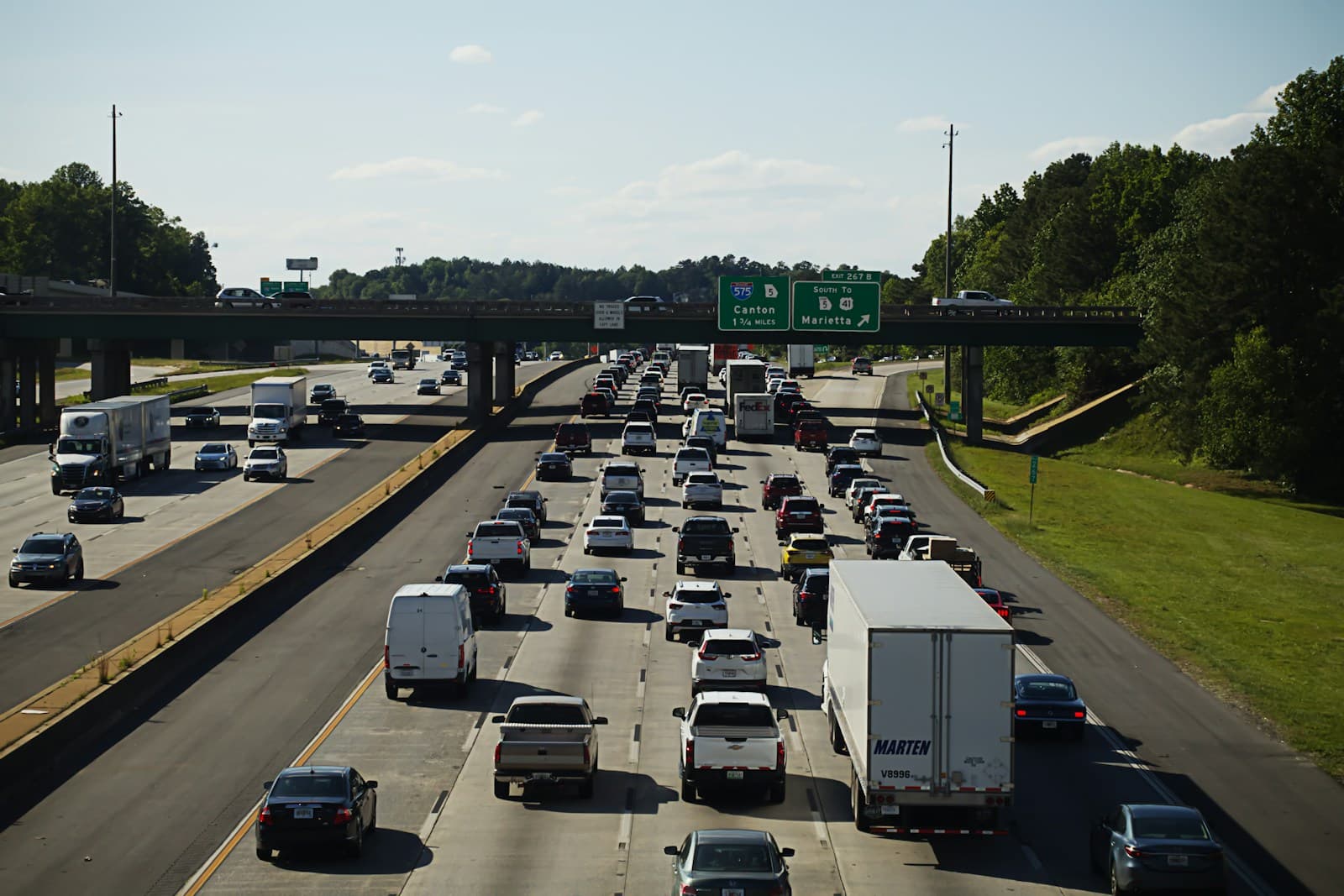
- I-5 and I-205 Corridor Density: Vancouver sits at the convergence of I-5 and I-205 with heavy commuter traffic to Portland, increasing accident frequency and exposure claims that push high-risk carriers to price more conservatively. Drivers with at-fault accidents face steeper increases here than in lower-density Washington cities.
- Cross-State Commuter Concentration: Approximately 70,000 Washington residents commute to Oregon daily, many through Vancouver, creating dense rush-hour corridors where high-risk drivers face elevated collision exposure. Carriers factor this commute pattern into non-standard rate models.
- Washington State Uninsured Motorist Rate: Washington's uninsured motorist rate sits near 11%, above the national average, and Vancouver's proximity to Oregon border crossings compounds enforcement gaps. High-risk policies here often include mandatory uninsured motorist coverage with higher minimums.
- Clark County DUI Court Requirements: Clark County requires ignition interlock devices for most DUI convictions, and carriers price SR-22 policies with the assumption of device installation costs and compliance monitoring. Non-compliance triggers immediate SR-22 cancellation notices to the state.
- Portland Metro Insurance Market Overlap: Vancouver shares the Portland metro insurance market, meaning high-risk carriers use Portland's urban claim frequency data when pricing policies. This pulls Vancouver rates higher than rural Washington cities despite lower city limits population.
Find out exactly how long SR-22 is required in your state
Coverage Recommendations
Cost estimates are based on available industry data and vary by driver profile. These are not insurance quotes.
SR-22 Insurance
Washington requires SR-22 certificates for 3 years following DUI convictions, multiple violations, or driving without insurance. The SR-22 itself costs $25–$50 to file, but the underlying high-risk policy typically runs $185–$425/month depending on violation severity and driving history length.
$185–$425/month for policyEstimated range only. Not a quote.
Liability Insurance
Washington mandates minimum liability limits of 25/50/10 ($25,000 per person, $50,000 per accident, $10,000 property damage). High-risk drivers in Vancouver should consider 50/100/50 limits given I-5 corridor accident severity and cross-state claim complexity, adding $30–$80/month to base rates.
$30–$80/month above minimumsEstimated range only. Not a quote.
Uninsured Motorist Coverage
With Washington's 11% uninsured rate and heavy Portland commuter traffic, uninsured motorist coverage protects high-risk drivers already facing rate penalties from absorbing costs of hit-and-run or unlicensed driver collisions. Required unless rejected in writing, adding $15–$40/month to high-risk policies.
$15–$40/month typicalEstimated range only. Not a quote.
Non-Standard Auto Insurance
Drivers with multiple DUIs, lapses over 90 days, or license suspensions often require non-standard carriers that specialize in high-risk profiles. These policies cost 40–150% more than standard rates but provide the state-required coverage needed to maintain SR-22 compliance and legal driving status in Vancouver.
40–150% above standard ratesEstimated range only. Not a quote.