What Affects Rates in Charleston
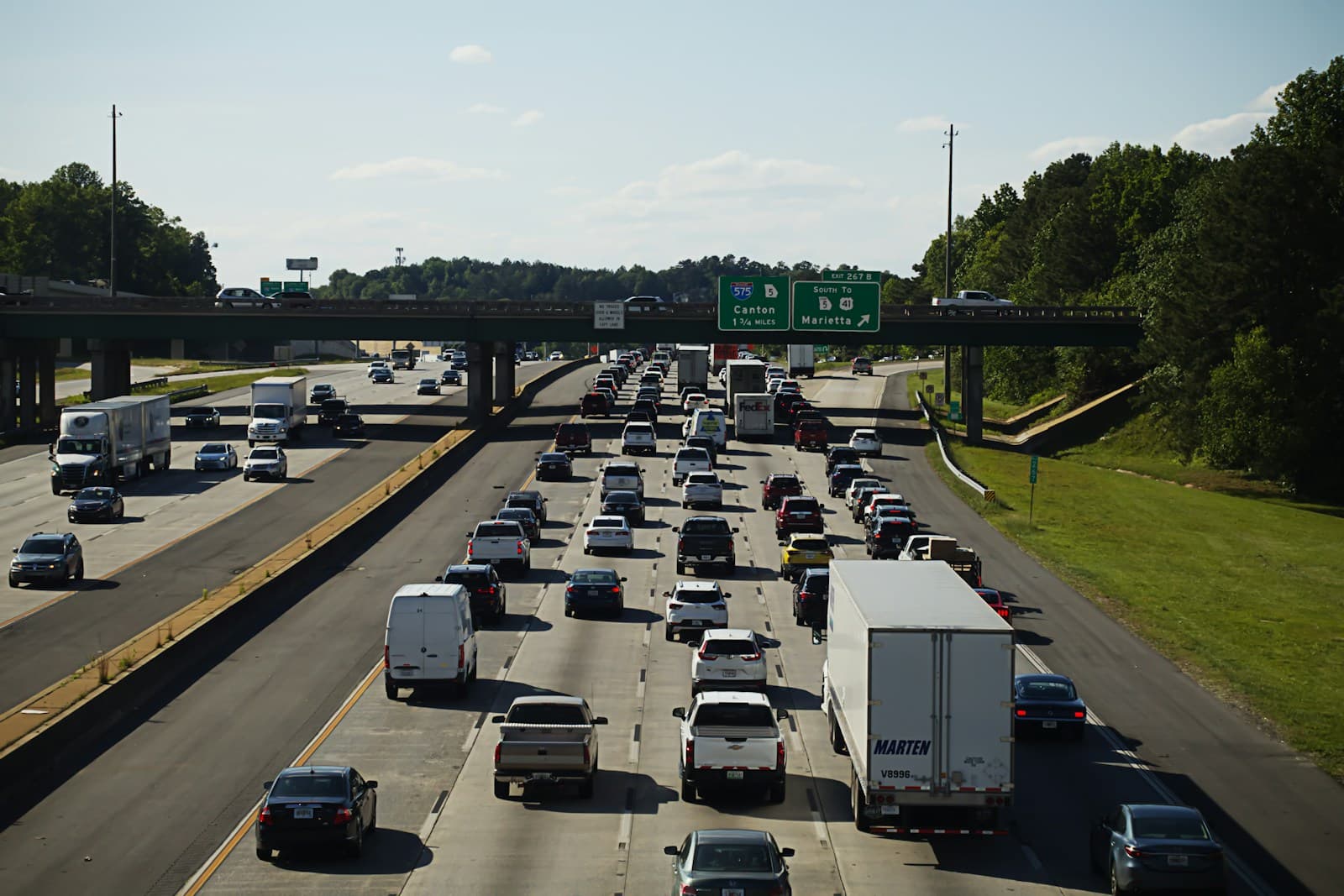
- I-64/I-77 Corridor Accident Density: Charleston sits at the intersection of I-64 and I-77, two of West Virginia's highest-traffic routes. Carriers price high-risk policies with the assumption of elevated accident exposure in this corridor, particularly during winter weather months when the confluence of interstates sees frequent multi-vehicle incidents.
- Kanawha County Court Processing Times: Kanawha County processes DUI and traffic violations through the Magistrate Court system, which typically takes 90–180 days from citation to final disposition. Carriers may consider your policy high-risk from citation date, not conviction date, meaning your rates increase before court resolution if you report the incident.
- Appalachian Terrain and Weather: Charleston's location in the Kanawha River valley creates fog and ice conditions that elevate winter collision rates. High-risk drivers see steeper comprehensive and collision premiums here than in flatter West Virginia cities, as carriers factor in both your record and the terrain's contribution to claim frequency.
- Urban Core Uninsured Driver Concentration: West Virginia's uninsured motorist rate runs approximately 15–18%, with higher concentrations in Charleston's urban core. For high-risk drivers already paying elevated liability premiums, uninsured motorist coverage becomes critical—and costs $18–$35/month more than in lower-density areas of the state.
- Limited Non-Standard Carrier Competition: Charleston has fewer non-standard insurance carriers actively writing policies than larger metro areas, reducing competitive pressure on high-risk rates. Most SR-22 business flows through a handful of regional carriers and national non-standard writers, giving you less negotiating leverage than drivers in Pittsburgh or Columbus would have.
Find out exactly how long SR-22 is required in your state
Coverage Recommendations
Cost estimates are based on available industry data and vary by driver profile. These are not insurance quotes.
SR-22 Insurance
West Virginia requires SR-22 filing for DUI convictions, driving under suspension, at-fault accidents without insurance, and accumulating 12+ points in 24 months. The certificate itself costs $15–$50, but the underlying high-risk policy runs $185–$340/month in Charleston. You must maintain continuous coverage for 3 years—any lapse restarts the clock.
$15–$50 filing + high-risk premiumEstimated range only. Not a quote.
Liability Insurance
West Virginia mandates $25,000 per person/$50,000 per accident bodily injury and $25,000 property damage. For high-risk drivers in Charleston, state minimums run $120–$220/month. Given the uninsured driver rate and tort system, consider $100,000/$300,000 limits—adds $40–$75/month but protects against lawsuits after an at-fault crash.
$120–$220/month for state minimumsEstimated range only. Not a quote.
Uninsured Motorist Coverage
Roughly 15–18% of West Virginia drivers operate without insurance, with higher rates in Kanawha County's urban center. For high-risk drivers who can't afford another at-fault claim, uninsured motorist coverage ($18–$35/month in Charleston) protects you when hit by an uninsured driver. You can reject it in writing, but most high-risk carriers strongly discourage this.
$18–$35/monthEstimated range only. Not a quote.
Non-Standard Auto Insurance
If standard carriers decline your application due to DUI, multiple violations, or license suspension, non-standard carriers in Charleston include regional specialists and national high-risk writers. Expect 6-month policy terms, monthly payment fees ($5–$12), and restricted coverage options, but rates can drop 15–30% after 18–24 months of claim-free driving.
15–30% savings possible after 24 months cleanEstimated range only. Not a quote.