What Affects Rates in Waukesha
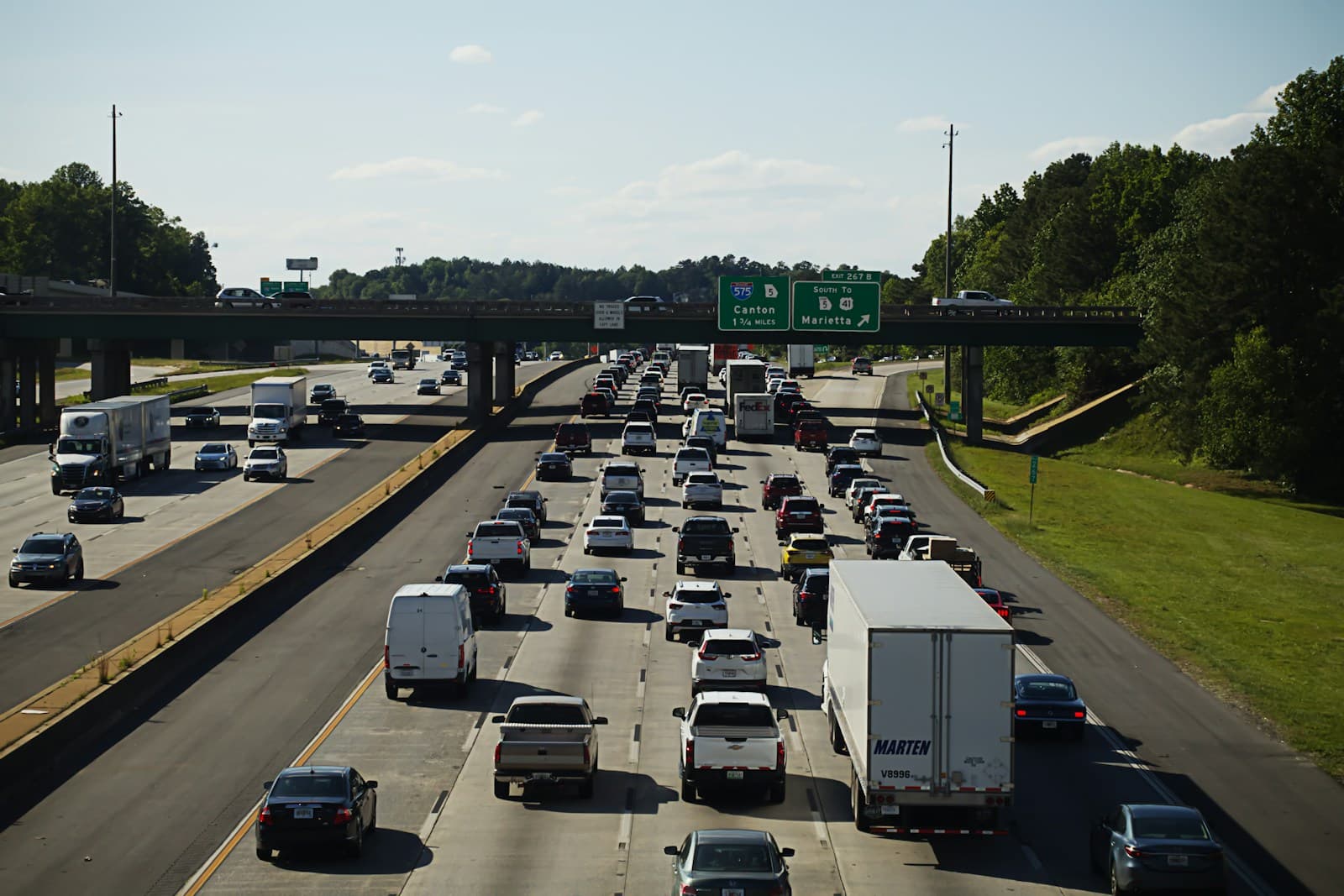
- I-94 Corridor Traffic Density: Waukesha sits along the I-94 corridor between Milwaukee and Madison, with heavy commuter traffic through downtown interchanges and the Highway 164 interchange. High-risk drivers face steeper rate increases here due to elevated accident frequency on these routes, particularly during winter commutes when black ice forms on elevated ramps.
- Waukesha County Court SR-22 Requirements: The Waukesha County Circuit Court issues SR-22 requirements following OWI convictions and suspensions, with strict enforcement of the 3-year continuous coverage mandate. Any lapse triggers immediate license suspension and restart of the 3-year clock, making non-standard carriers that offer grace periods particularly valuable for high-risk drivers in this jurisdiction.
- Suburban Claim Patterns: Waukesha's mix of suburban development and rural western areas creates varied claim patterns — higher collision frequency near downtown shopping districts like The Corridors and Brookfield Square, but lower vandalism and theft rates than Milwaukee proper. High-risk drivers may see moderate comprehensive costs but elevated collision premiums near commercial zones.
- Winter Weather Impact: Waukesha averages 44 inches of snow annually, with frequent freezing rain events coating roads in January and February. Drivers with at-fault accidents already on record face compounded rate increases after winter claims, as insurers view repeat incidents during adverse conditions as heightened risk indicators.
- Limited Transit Alternatives: With minimal public transit options beyond Milwaukee County, Waukesha drivers with suspended licenses or SR-22 requirements have few alternatives to regaining coverage. This creates urgency for non-standard policies, though limited competition among high-risk carriers can keep premiums elevated compared to cities with more robust non-standard markets.

Find out exactly how long SR-22 is required in your state
Coverage Recommendations
Cost estimates are based on available industry data and vary by driver profile. These are not insurance quotes.
SR-22 Insurance
Wisconsin requires SR-22 filings for 3 years following DUI/OWI convictions, repeat violations, or driving without insurance. The SR-22 itself costs $25–$50 to file, but the underlying liability policy will cost $180–$320/month for high-risk drivers in Waukesha. Any coverage lapse triggers automatic license suspension and restarts the 3-year clock.
$25–$50 filing + $180–$320/month policyEstimated range only. Not a quote.
Liability Insurance
Wisconsin's minimum liability limits are 25/50/10 ($25,000 per person injury, $50,000 per accident injury, $10,000 property damage). High-risk drivers in Waukesha should consider 50/100/25 or higher, as at-fault accidents on I-94 or Highway 164 frequently exceed minimum limits, leaving drivers with violations already on record exposed to lawsuits and wage garnishment.
Minimums insufficient for highway accidentsEstimated range only. Not a quote.
Uninsured Motorist Coverage
Wisconsin does not mandate uninsured motorist coverage, but it's critical for high-risk drivers in Waukesha who cannot afford out-of-pocket costs if hit by an uninsured driver. Waukesha County's uninsured rate is below the state average, but coverage costs $8–$18/month and protects drivers already facing financial strain from past violations.
$8–$18/month add-onEstimated range only. Not a quote.
Non-Standard Auto Insurance
Drivers with DUIs, multiple violations, or recent lapses often need non-standard carriers operating in Waukesha County. These insurers specialize in high-risk profiles and may offer payment plans or hardship policies unavailable from standard carriers, though premiums typically run 40–60% higher than standard rates for equivalent coverage.
40–60% premium increase over standardEstimated range only. Not a quote.