
Non-Owner SR-22 Insurance — Texas
Free to compare
You Need SR-22 Filing But Own No Vehicle
The court or Texas DPS ordered SR-22 filing, but you sold your car, it was totaled, or you never owned one to begin with. You call your old carrier and they say they can't help you without a vehicle on the policy. You try an online quote tool and it exits the moment you select 'no vehicle.' You're stuck at the first step because most carriers treat non-owner SR-22 as a specialty product they don't write, and the ones that do won't surface in a standard quote flow.
A non-owner SR-22 policy in Texas is liability-only coverage that follows you as a driver, not a specific vehicle. It satisfies the state's Financial Responsibility Insurance Certificate requirement when you're legally required to file SR-22 but don't own a car. The filing period is two years from the date DPS receives the certificate, and the policy must stay active without interruption for the entire window.
“A single-day lapse in your non-owner policy during the two-year filing period restarts the entire SR-22 clock from zero.”

Stay Covered While You Drive Borrowed Cars
Find Coverage After Violations2 years
Texas SR-22 Filing Period
Texas requires continuous SR-22 filing for two years after DWI, drug offenses, driving while license invalid, second or subsequent no-insurance conviction, crash suspension, civil judgment, or crash security deposit. The clock starts when DPS receives the certificate, not when you buy the policy.
Texas Department of Public Safety, Financial Responsibility Insurance Certificate rules
Non-Owner Policies Cover You as a Driver, Not a Specific Vehicle
A non-owner policy provides liability coverage when you drive a vehicle you don't own: a rental, a borrowed car, or a vehicle provided by an employer. It does not cover a vehicle you own, lease, or have regular access to. If you live with someone who owns a car and you drive it regularly, most carriers will require you to be listed on their policy instead of issuing you a non-owner policy.
The policy meets Texas minimum liability requirements: $30,000 bodily injury per person, $60,000 bodily injury per accident, and $25,000 property damage. It does not include collision or comprehensive coverage because there's no vehicle to insure. The carrier files the SR-22 certificate electronically with DPS when you buy the policy, and DPS adds the filing to your driving record.
The filing stays active as long as your policy stays active. If you cancel the policy, miss a payment, or let it lapse for any reason, the carrier is legally required to notify DPS within 10 days. DPS treats the lapse as a failure to maintain financial responsibility and suspends your license until you file a new SR-22 and pay a $100 reinstatement fee.
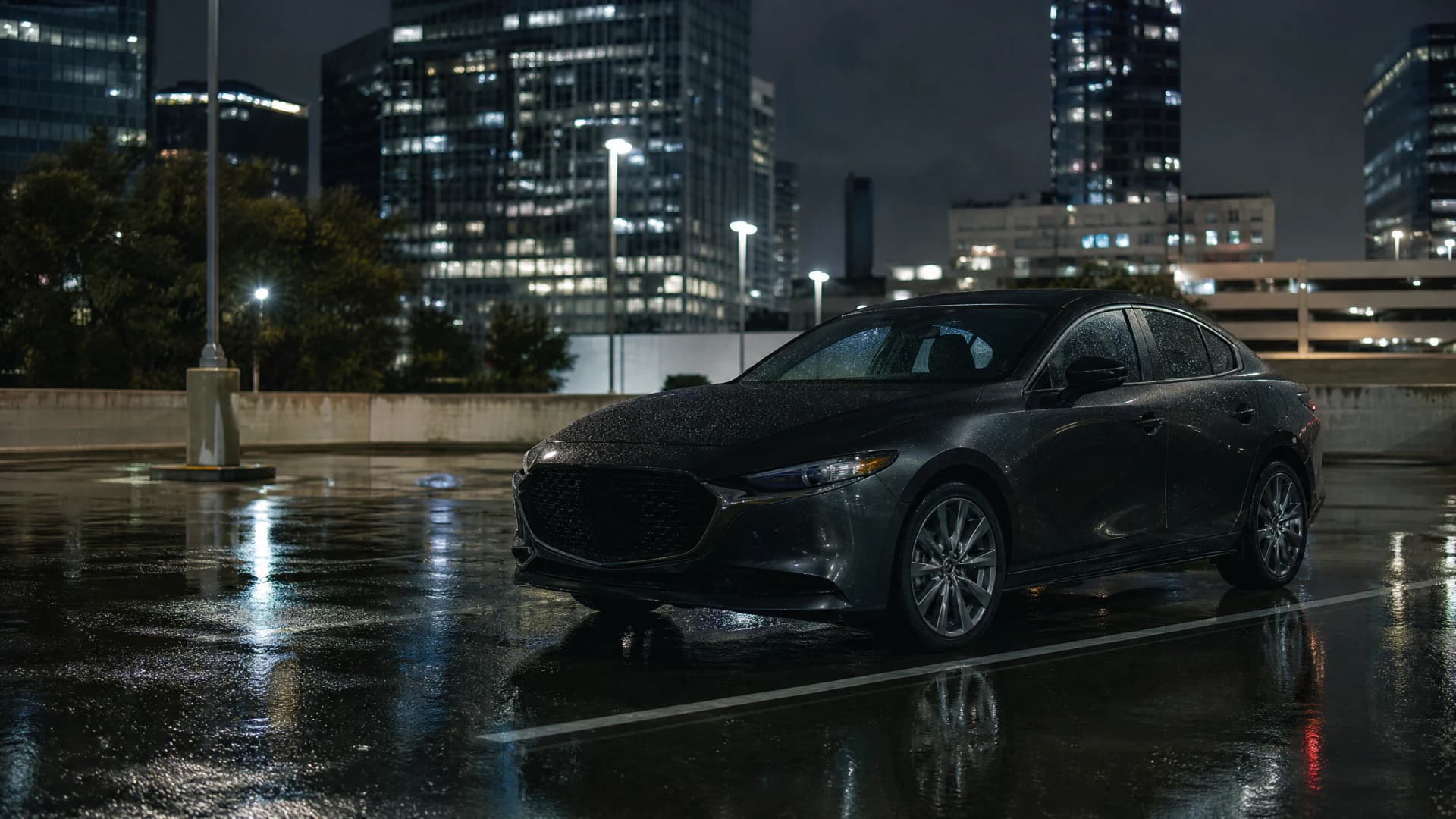
A single-day lapse in your non-owner policy during the two-year filing period restarts the entire SR-22 clock from zero and triggers an immediate license suspension.
Related Articles
Non-Owner SR-22: How to File Without Owning a Vehicle
5/18/2026
Do I Need SR-22 Without Owning a Car? Non-Owner Filing
5/18/2026

Non-Owner SR-22: Filing Without a Car | How It Works
5/18/2026

Non-Owner SR-22 Insurance in Colorado
7/13/2026
Adding a Vehicle to Non-Owner SR-22: What Happens Next
5/18/2026
Can't Afford SR-22? Your Options Before It Lapses
5/18/2026
What Happens If You Buy a Vehicle During the Filing Period
If you buy or lease a vehicle while your non-owner SR-22 is active, you must convert to a standard owner policy and transfer the SR-22 filing to the new policy. The non-owner policy does not cover vehicles you own, so driving your newly purchased car under the non-owner policy leaves you uninsured. Most carriers will not allow you to keep both policies active simultaneously.
Contact your carrier as soon as you take possession of the vehicle. They will cancel the non-owner policy, write a new standard policy covering the vehicle, and file an updated SR-22 with DPS showing the new policy number. The filing period does not restart; the clock continues from your original filing date as long as there is no gap in coverage between the cancellation of the non-owner policy and the effective date of the new policy.
If there is even a one-day gap between the two policies, DPS treats it as a lapse. Your license suspends immediately, the two-year filing clock resets to zero, and you must pay the $100 reinstatement fee before DPS will accept a new SR-22. Coordinate the cancellation and effective dates carefully with your carrier to avoid this outcome.
$100
Texas Reinstatement Fee After Lapse
If your non-owner SR-22 policy lapses for any reason during the two-year filing period, DPS suspends your license and requires a $100 reinstatement fee before you can file a new certificate and restart the clock. The fee is in addition to the cost of the new policy and filing fee.
Texas Department of Public Safety, driver license reinstatement rules

Non-Owner SR-22 and Occupational Driver Licenses
If your license is currently suspended and you need to drive for work, school, or essential household duties, you can petition for an Occupational Driver License while your SR-22 filing period runs. Texas allows ODL holders to maintain non-owner SR-22 policies as long as the policy stays active and the SR-22 filing remains on file with DPS.
To apply for an ODL, petition the Justice of the Peace, county, or district court where you reside, or the court of original jurisdiction where the offense occurred. The application fee is $10. Processing typically takes 21 days. You must provide a certified copy of the petition and court order granting the ODL, proof of SR-22 filing, payment of the ODL fee, and payment of all reinstatement fees. If your violation involved alcohol, you must also install an ignition interlock device on any vehicle you drive, even under an ODL.
The ODL does not shorten your SR-22 filing period. You still owe two full years of continuous filing from the date DPS first received your certificate. The ODL simply allows you to drive legally during the suspension period while the SR-22 clock runs.
Moving Out of State During Your Filing Period
If you move to another state while your Texas SR-22 filing is active, contact DPS and your new state's licensing agency immediately. Some states accept out-of-state SR-22 filings; others require you to file a new certificate in your new state of residence. If your new state requires a new filing, the Texas two-year clock does not transfer. You start a new filing period under the new state's rules, which may be longer or shorter than two years depending on the state and the violation.
If you let your Texas SR-22 lapse because you assume moving out of state ends the requirement, DPS will suspend your Texas license and may notify your new state. When you apply for a license in your new state, the suspension appears on your driving record and most states will not issue you a new license until you resolve the Texas suspension, which means filing a new SR-22 in Texas, paying the $100 reinstatement fee, and potentially traveling back to Texas to clear the hold.

Compare Carriers That Write Non-Owner SR-22 in Texas
Non-owner SR-22 is a narrow product written by a subset of carriers, and not all of them write it in every state. The carriers listed earlier in this article are confirmed to write non-owner SR-22 policies in Texas and file certificates electronically with DPS. Quote with at least three of them. Premiums vary widely based on your violation, your age, and your zip code, and the carrier with the lowest rate for one driver may not be the lowest for another.
When you call or quote online, confirm three things before you buy: the carrier writes non-owner policies in Texas, the carrier files SR-22 certificates electronically with DPS, and the policy effective date is the date you need coverage to start. If there is any gap between your current coverage end date and the new policy effective date, your filing lapses and your license suspends. Get a quote, confirm the details, and bind the policy on the same day to avoid timing gaps.
How to Shop for Non-Owner SR-22 Coverage in Texas
Start with carriers that explicitly write non-owner SR-22 in Texas: Dairyland, Direct Auto, The General, GAINSCO, Bristol West, Acceptance, Infinity, Kemper, Progressive, and USAA. These carriers underwrite non-owner policies and file SR-22 certificates electronically with DPS. Call or quote online directly with each carrier; aggregators often can't process non-owner SR-22 requests because the quote flow assumes you own a vehicle.
Expect to pay a one-time filing fee when the carrier submits your SR-22 to DPS. The fee is set by the carrier and typically ranges from $15 to $50. Your monthly premium depends on your driving record, the violation that triggered the SR-22 requirement, your age, and your zip code. Non-owner policies cost less than standard policies because they carry no collision or comprehensive coverage, but SR-22 filing moves you into a higher-risk tier regardless of the policy type.
Get Your Free Quote
Find Coverage After ViolationsFrequently Asked Questions
Can I get non-owner SR-22 insurance if I live with someone who owns a car?
Most carriers will not issue a non-owner policy if you live with someone who owns a vehicle and you have regular access to it. They will require you to be listed as a driver on that person's policy instead. If you do not have regular access to the vehicle, some carriers will write a non-owner policy, but you must disclose the household vehicle when you apply.
How much does non-owner SR-22 insurance cost in Texas?
Premiums vary by carrier, your driving record, the violation that triggered the SR-22 requirement, your age, and your location. Non-owner policies cost less than standard policies because they carry no collision or comprehensive coverage, but SR-22 filing moves you into a higher-risk tier. Expect to pay a one-time filing fee when the carrier submits your certificate to DPS.
What happens if I miss a payment on my non-owner SR-22 policy?
If you miss a payment and your policy cancels, the carrier notifies DPS within 10 days. DPS suspends your license immediately and restarts your two-year SR-22 filing period from zero. You must buy a new policy, file a new SR-22, and pay a $100 reinstatement fee before DPS will lift the suspension.
Do I still need SR-22 if I move out of Texas?
If you move to another state during your Texas SR-22 filing period, contact DPS and your new state's licensing agency. Some states accept out-of-state filings; others require a new certificate under their own rules. If you let your Texas SR-22 lapse, DPS suspends your Texas license and may notify your new state, blocking you from getting a new license until you resolve the Texas suspension.
Can I drive someone else's car with a non-owner SR-22 policy?
Yes. A non-owner policy provides liability coverage when you drive a vehicle you don't own, including rentals, borrowed cars, or employer-provided vehicles. It does not cover vehicles you own, lease, or have regular access to. If you live with someone who owns a car and drive it regularly, most carriers require you to be listed on their policy instead.