
SR-22 Without a Driver's License
Free to compare
The Filing Starts Your Clock Whether You Drive or Not
The court or DMV ordered SR-22 proof of insurance, but your license is suspended or you never held one in the first place. Every carrier you've called says they can't help someone without a valid license. You're stuck: the state says file the SR-22 to start your reinstatement timeline, but no one will sell you the policy that carries the filing.
Here's the structural reality most carriers won't clarify: the SR-22 certificate is a compliance filing the insurer submits to your state DMV on your behalf. It proves you're carrying at least the state minimum liability coverage. The filing exists independently of your driver's license status. You can hold an SR-22 while suspended, while holding only a state ID, or while you've never been licensed at all. The filing clock and the license eligibility clock are separate tracks with different start dates.
“The SR-22 clock starts when you file, not when your license reinstates — waiting to file adds years to your requirement period.”

Stay Covered While You Drive Borrowed Cars
Find Coverage After Violations3 years
Typical SR-22 Filing Period
Most states require continuous SR-22 filing for three years after the triggering violation. The clock starts the day your insurer files the certificate with the DMV, not the day your license reinstates. Delaying the filing because you can't drive yet delays when your requirement period ends.
State DMV SR-22 program requirements across 36 SR-22 jurisdictions
Non-Owner SR-22 Covers the Filing Without Vehicle Ownership
The product designed for this exact situation is called non-owner SR-22 insurance. It's a liability-only policy that covers you when you drive a vehicle you don't own — a borrowed car, a rental, a friend's vehicle. The insurer files the SR-22 certificate on top of that non-owner policy, satisfying the state's proof-of-insurance requirement even though you own no vehicle and hold no active license.
Non-owner policies carry the state minimum liability limits. They do not include collision or comprehensive coverage because there's no owned vehicle to insure. The premium is lower than a standard owner policy because the insurer's risk exposure is narrower. You're buying the liability coverage the state requires and the SR-22 filing that proves you're carrying it.
Most major carriers write non-owner policies, but not all file SR-22 certificates in every state. The carrier must be licensed in your state and must participate in your state's SR-22 program. When you call for a quote, ask two questions: do you write non-owner policies, and do you file SR-22 certificates in this state. Both answers must be yes or the carrier can't help you.
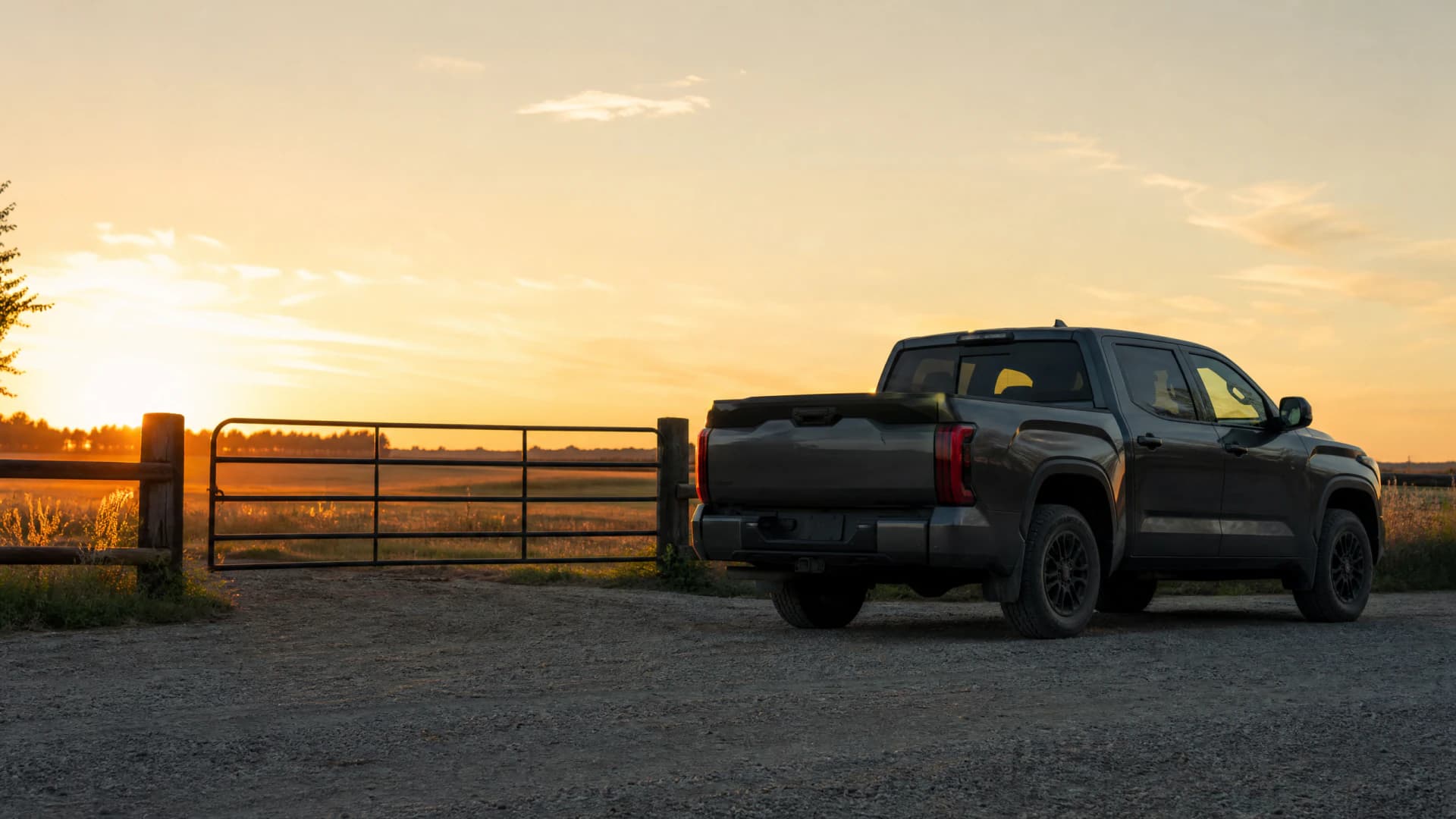
The SR-22 filing period starts when the insurer files the certificate, not when your license reinstates — waiting to file because you can't drive yet adds years to how long you'll pay elevated premiums.
Related Articles

Can You Delay SR-22 Filing if Not Driving Right Now?
5/18/2026

Can I Get SR-22 Without a Driver's License?
5/18/2026

SR-22 Filing During License Suspension: File Early Guide
5/18/2026

Do I Need SR-22 Without Owning a Car? Non-Owner Filing
5/18/2026

SR-22 After Total Loss: Avoid Filing Lapse & Suspension
5/18/2026

SR-22 After Habitual Offender: Filing During Suspension
5/18/2026

License Reinstatement and Filing Compliance Are Separate Processes
The SR-22 filing satisfies one reinstatement requirement: proof of insurance. Most suspensions carry additional requirements before the DMV will reinstate your license. You may need to complete a driver improvement course, pay reinstatement fees, serve a minimum suspension period, install an ignition interlock device, or pass a retest. The SR-22 filing does not waive any of those requirements. It runs in parallel.
The dangerous misconception is that you should wait to file the SR-22 until you're eligible to reinstate your license. That delay costs you years. If your state requires three years of continuous SR-22 filing and you wait six months to file because your suspension hasn't ended yet, your filing period now ends three years and six months from the violation date instead of three years. The elevated premiums you'll pay during that extra six months — and the risk of a lapse restarting the clock — make early filing the cheaper path even when you're not driving.
Some states treat lapse during the filing period as a separate suspension trigger. If your non-owner policy cancels or lapses for non-payment, the insurer notifies the DMV. The DMV suspends your driving privileges again, even if you weren't driving. Reinstating after a filing lapse often requires starting the entire SR-22 period over from day zero. That's the failure mode competing pages omit: a missed payment in year two of a three-year requirement can turn it into a six-year cycle.
Verify your state's specific lapse consequences with your DMV. Some states allow a short grace period; others suspend immediately. If your state restarts the clock on lapse, maintaining continuous coverage without interruption becomes the single most important cost-control action you can take during the filing period.
25
Carriers Writing Non-Owner SR-22
Approximately 25 national and regional carriers write non-owner policies with SR-22 filing capability across most states. Not all write in every state, and filing fees and underwriting rules vary by carrier. Comparing at least three carriers that write your specific filing type in your state is the only way to find the lowest compliant rate.
Carrier filing-profile data aggregated across state insurance departments

What Happens When Your License Reinstates
Once you satisfy all reinstatement requirements and the DMV issues your license, your non-owner SR-22 policy remains in effect. You continue paying the premium and the carrier continues filing proof of coverage with the state. If you purchase a vehicle after reinstatement, you'll need to switch from a non-owner policy to a standard owner policy. The SR-22 filing transfers to the new policy without interrupting your compliance clock.
Contact your insurer before you buy the vehicle. Explain that you need to convert your non-owner SR-22 policy to an owner policy with the same SR-22 filing. The carrier will quote you for the new policy, cancel the non-owner policy effective the date the new policy starts, and refile the SR-22 certificate on the owner policy. The filing remains continuous and your compliance period continues counting forward. If you let the non-owner policy lapse before the owner policy starts, the DMV sees a gap and may restart your requirement period.
Compare Carriers That Write Your Filing in Your State
Not every carrier that writes non-owner policies files SR-22 certificates, and not every carrier that files SR-22 writes non-owner policies. The overlap is your shopping pool. Aggregator sites often route SR-22 shoppers to specialty subsidiaries at higher rate tiers or exit the transaction entirely without explaining why. Calling carriers directly and asking the two-question filter — do you write non-owner, and do you file SR-22 in this state — gets you to a real quote faster.
Request quotes from at least three carriers in your state that confirmed they write both products. Provide the same coverage limits and the same driver information to each. Compare the total annual premium, the filing fee if charged separately, and the payment plan options. Some carriers charge the full annual premium upfront; others allow monthly payments with a small installment fee. A lower monthly payment with a high installment fee can cost more over the year than a higher monthly payment with no fee. Calculate the total cost across twelve months before choosing.
Once you select a carrier and purchase the policy, confirm the filing date in writing. Ask when the SR-22 certificate will be submitted to the DMV and request a copy of the filed certificate once it's processed. That filing date is day one of your compliance period. Mark the end date on your calendar and set a reminder six months before it ends. Some states require you to request removal of the SR-22 requirement once the period ends; others remove it automatically. Knowing your state's process prevents you from maintaining the filing — and paying the elevated premium — longer than legally required.
How Non-Owner SR-22 Filing Works Step by Step
Contact carriers that write non-owner policies and file SR-22 certificates in your state. Request a non-owner liability quote at your state's minimum limits. Provide your driver's license number if you have one, or your state ID number if you don't. The carrier will pull your driving record using whichever identifier you provide. If your record shows the violation that triggered the SR-22 requirement, the carrier prices the policy accordingly and agrees to file the certificate.
Once you purchase the policy, the carrier files the SR-22 certificate electronically with your state DMV, typically within one to five business days. The DMV logs the filing and starts your compliance clock from that filing date. You receive a copy of the filed certificate by mail or email. That certificate is proof the filing is active. If the state requires you to carry physical proof, keep the certificate copy with your state ID. Your filing period — usually three years — runs from the filing date forward, not from your license reinstatement date.
Get Your Free Quote
Find Coverage After ViolationsFrequently Asked Questions
Can I get SR-22 insurance without a valid driver's license?
Yes. Non-owner SR-22 insurance provides the liability coverage and certificate filing the state requires even while your license is suspended or if you've never held one. The SR-22 filing and license eligibility are separate compliance tracks. The filing clock starts when the insurer submits the certificate to the DMV, not when your license reinstates.
Does non-owner SR-22 insurance cost more than regular insurance?
Non-owner SR-22 premiums are typically lower than owner policies because the coverage is liability-only with no vehicle to insure. The SR-22 filing itself adds a small one-time fee set by the carrier. Your violation history affects the rate more than the filing requirement. Comparing multiple carriers that write non-owner SR-22 in your state is the only way to find the lowest rate for your profile.
What happens if my non-owner SR-22 policy lapses before the filing period ends?
The insurer notifies your state DMV of the lapse. Most states suspend your driving privileges immediately, even if you weren't driving. Many states restart your entire SR-22 filing period from day zero after a lapse, turning a three-year requirement into a six-year cycle. Verify your state's lapse consequences with your DMV and maintain continuous coverage without interruption.
How do I switch from non-owner SR-22 to regular insurance after reinstatement?
Contact your insurer before purchasing a vehicle. Request conversion from your non-owner SR-22 policy to an owner policy with the SR-22 filing transferred. The carrier cancels the non-owner policy effective the date the new policy starts and refiles the SR-22 on the owner policy. The filing remains continuous and your compliance clock keeps running forward without interruption.
Do all insurance carriers file SR-22 for non-owner policies?
No. Not every carrier that writes non-owner policies files SR-22 certificates, and not every SR-22 filer writes non-owner policies. The carrier must be licensed in your state and participate in your state's SR-22 program. Ask directly whether the carrier writes non-owner policies and files SR-22 in your state before requesting a quote.