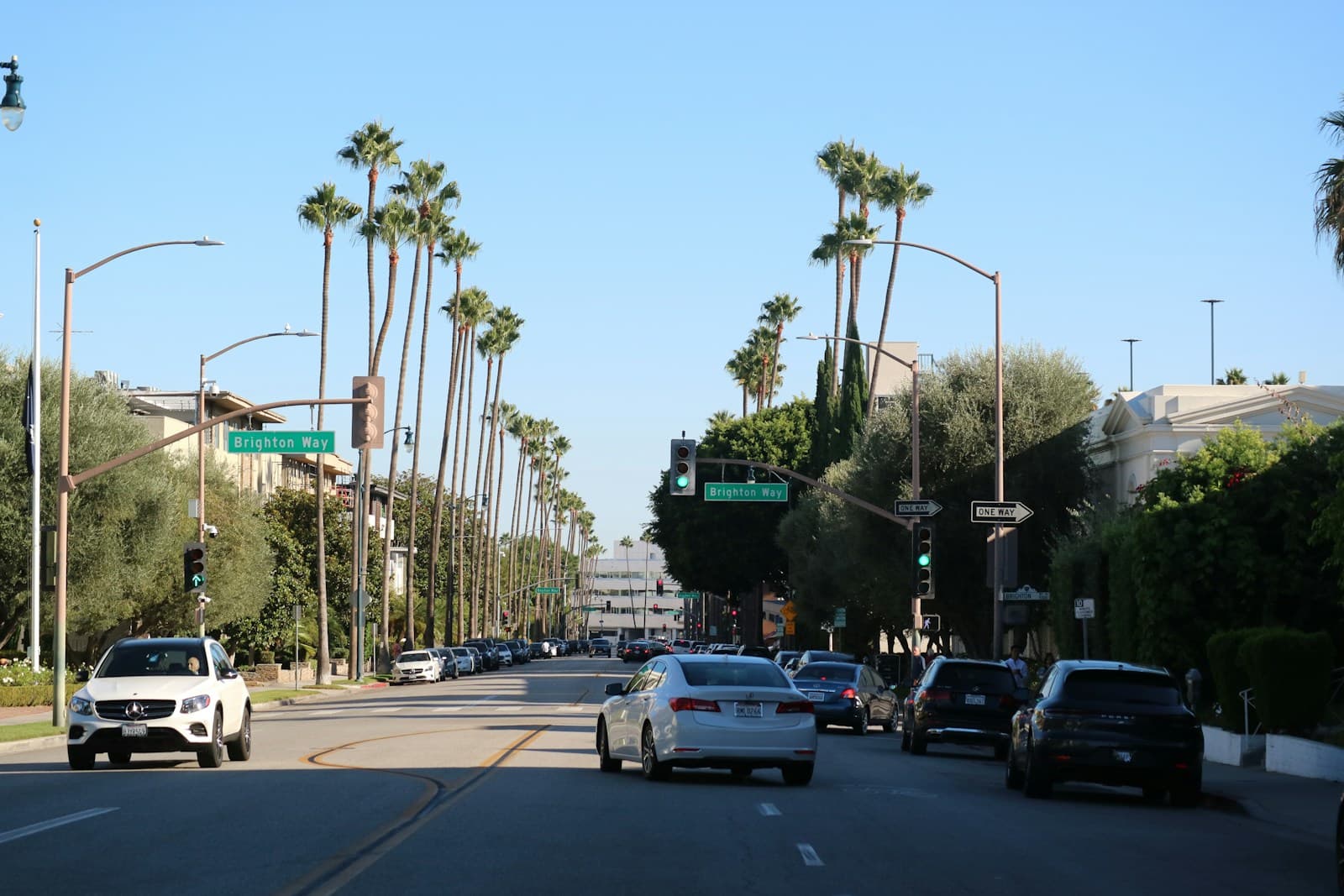
What Affects Rates in Los Angeles
- Dense Urban Traffic and Accident Frequency: Los Angeles ranks among the nation's most congested metros, with I-10, I-405, and I-5 interchange zones generating high accident frequency. High-risk drivers face steeper premiums here because insurers assign elevated collision probability to areas with chronic stop-and-go traffic and multi-lane merges where even minor violations compound risk exposure.
- High Uninsured Motorist Concentration: Approximately 18% of LA County drivers operate without insurance, well above the state average. For SR-22 drivers already paying elevated premiums, insurers factor in the likelihood of uninsured claims, pushing uninsured/underinsured motorist coverage costs higher and making it critical protection in hit-and-run or fault accidents involving uncovered drivers.
- Court-Ordered SR-22 from LA County DUI Courts: DUI convictions processed through LA County Superior Court trigger mandatory SR-22 filings, with judges often requiring proof before reinstating driving privileges. The volume of DUI cases in LA means insurers here specialize in high-risk SR-22 policies, but competition doesn't always translate to lower rates given the density of similar risk profiles.
- ZIP Code Variation Across Metro Sprawl: Rates swing dramatically across LA's 500+ square miles. Drivers in South LA, Koreatown, or neighborhoods near downtown often pay 20–40% more than those in Westside or coastal areas due to claim frequency, theft rates, and population density—even with identical violation histories.
- State Minimum Coverage Inadequacy: California's minimum liability limits ($15,000/$30,000/$5,000) are dangerously low in a city where medical costs and vehicle values run high. High-risk drivers meeting only minimums face severe financial exposure in at-fault accidents, and many insurers price SR-22 policies assuming higher limits to reduce their own risk, raising base premiums.
Find out exactly how long SR-22 is required in your state
Coverage Recommendations
Cost estimates are based on available industry data and vary by driver profile. These are not insurance quotes.
SR-22 Insurance
An SR-22 is a certificate your insurer files with the California DMV proving continuous coverage for 3 years, typically required after DUI, suspended license, or at-fault accident without insurance. The filing itself costs $15–$25, but the underlying violation increases premiums 60–200% depending on offense severity and your LA ZIP code.
$3,200–$6,500/year including SR-22 filingEstimated range only. Not a quote.
Liability Insurance
California requires minimum liability of $15,000 per person/$30,000 per accident for injury and $5,000 for property damage, but these limits are inadequate in Los Angeles where a serious accident can exceed minimums in minutes. High-risk drivers should consider at least $50,000/$100,000/$50,000 to avoid personal asset exposure, though higher limits add $400–$800/year to already elevated premiums.
$1,800–$4,200/year for high-risk drivers at state minimumsEstimated range only. Not a quote.
Uninsured Motorist Coverage
With roughly 18% of LA drivers uninsured, this coverage protects you when an at-fault driver has no insurance or flees the scene—common in hit-and-run accidents on congested freeways and surface streets. California requires insurers to offer it at the same limits as your liability coverage; high-risk drivers in LA should carry it given the statistical likelihood of encountering uninsured motorists.
$300–$700/year added to high-risk policiesEstimated range only. Not a quote.
Non-Standard Auto Insurance
Non-standard carriers specialize in high-risk profiles—DUIs, multiple violations, lapses—that standard insurers decline or price prohibitively. In Los Angeles, carriers like Acceptance, Freeway, and CURE write policies for SR-22 drivers and those with recent suspensions, often at rates 30–50% lower than standard-market high-risk quotes, though coverage options may be more limited.
$2,800–$5,500/year for DUI or major violationEstimated range only. Not a quote.