What Affects Rates in Norwalk
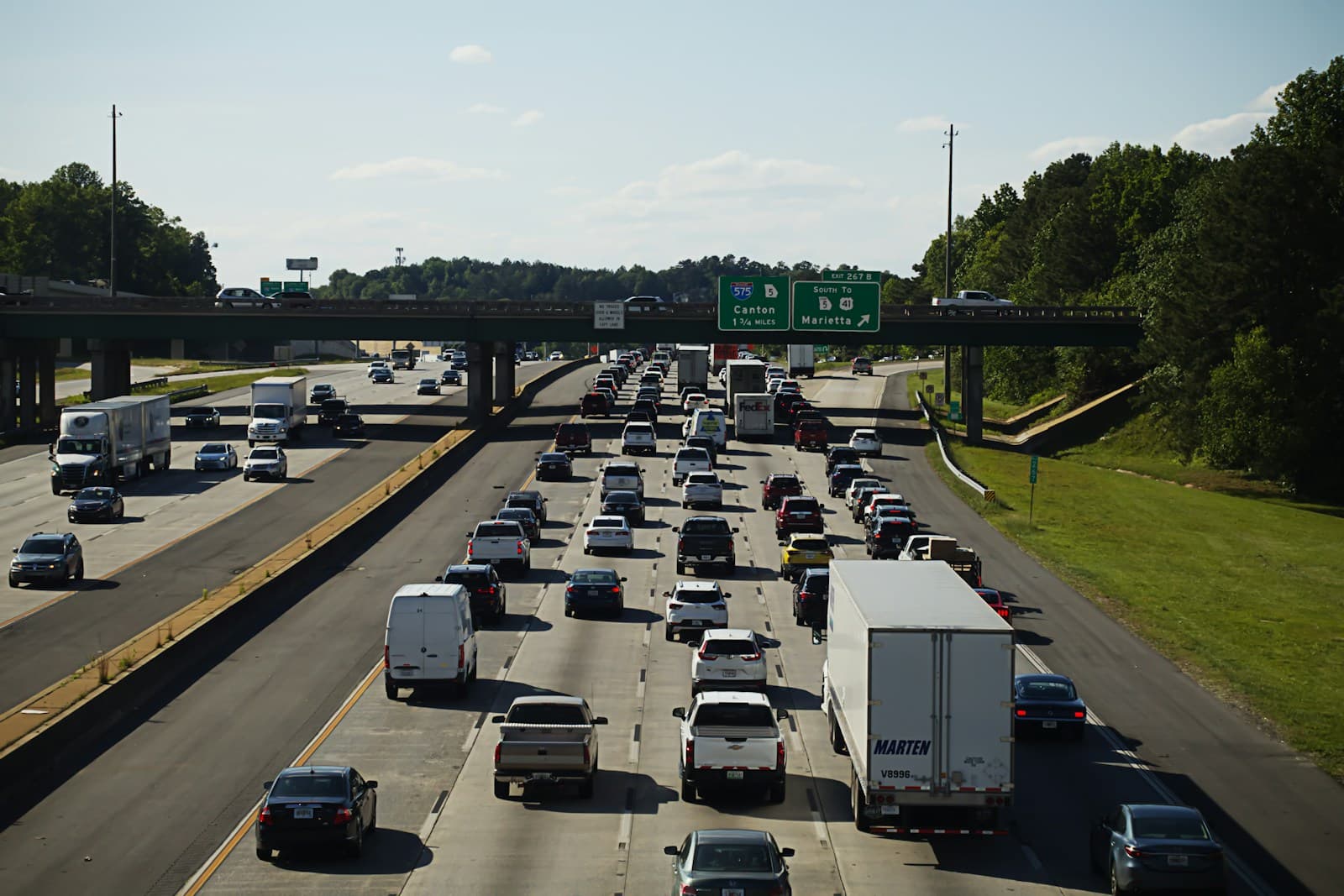
- I-95 Corridor Congestion: Norwalk sits on one of Connecticut's most heavily trafficked sections of I-95, with daily backups through the South Norwalk and East Norwalk exits contributing to higher rear-end collision rates. High-risk drivers in congested corridors often see 15–25% rate increases compared to suburban areas due to elevated accident frequency.
- Route 7 and Merritt Parkway Intersection: The convergence of Route 7, the Merritt Parkway, and local arterials creates complex traffic patterns and higher claim density in central Norwalk. Insurers price high-risk policies based on garaging ZIP codes, with 06850, 06851, and 06854 reflecting these intersection risks.
- Urban Density and Pedestrian Activity: South Norwalk's dense commercial district and active nightlife increase pedestrian-vehicle incident exposure, particularly for drivers with DUI histories. Policies for drivers with alcohol-related violations in urban cores often carry 20–40% higher premiums than suburban equivalents.
- Fairfield County Court System: DUI and reckless driving cases in Norwalk are adjudicated through Norwalk Superior Court, which follows standard Connecticut sentencing but processes high volumes of traffic violations. Multiple violations in Fairfield County can trigger license suspension faster, extending SR-22 filing timelines if lapses occur.
- Uninsured Driver Concentration: Fairfield County, including Norwalk, has lower uninsured motorist rates than Connecticut's eastern regions, but high-risk drivers still benefit from uninsured motorist coverage given the elevated accident exposure along I-95. Policies without UM coverage leave gaps if hit by uninsured drivers in heavy traffic.
Find out exactly how long SR-22 is required in your state
Coverage Recommendations
Cost estimates are based on available industry data and vary by driver profile. These are not insurance quotes.
SR-22 Insurance
Connecticut requires SR-22 filings for DUI convictions, multiple violations, and at-fault accidents without insurance. Norwalk drivers must maintain continuous coverage for 3 years; any lapse triggers a restart of the filing period and potential license suspension.
$25–$50 filing fee, plus elevated premiumsEstimated range only. Not a quote.
Liability Insurance
Connecticut mandates 25/50/25 minimums, but high-risk drivers in Norwalk should consider 100/300/100 limits given I-95 accident severity and lawsuit exposure in Fairfield County. Minimum coverage for high-risk profiles runs $1,200–$2,400/year; higher limits add $400–$800 annually.
$1,200–$3,200/year (varies by limit)Estimated range only. Not a quote.
Uninsured Motorist Coverage
Not mandatory in Connecticut, but critical for Norwalk drivers navigating I-95 and Route 7, where multi-vehicle accidents increase uninsured driver exposure. UM coverage adds $200–$500/year to high-risk policies but protects against gaps if hit by drivers without insurance.
$200–$500/year additionalEstimated range only. Not a quote.
Non-Standard Auto Insurance
Carriers like Dairyland, The General, and regional non-standard insurers write policies in Norwalk for drivers with DUIs, suspensions, or lapses. Rates run 50–150% higher than standard markets, but coverage is available when standard carriers decline.
$2,400–$4,800/year full coverageEstimated range only. Not a quote.