What Affects Rates in Stamford
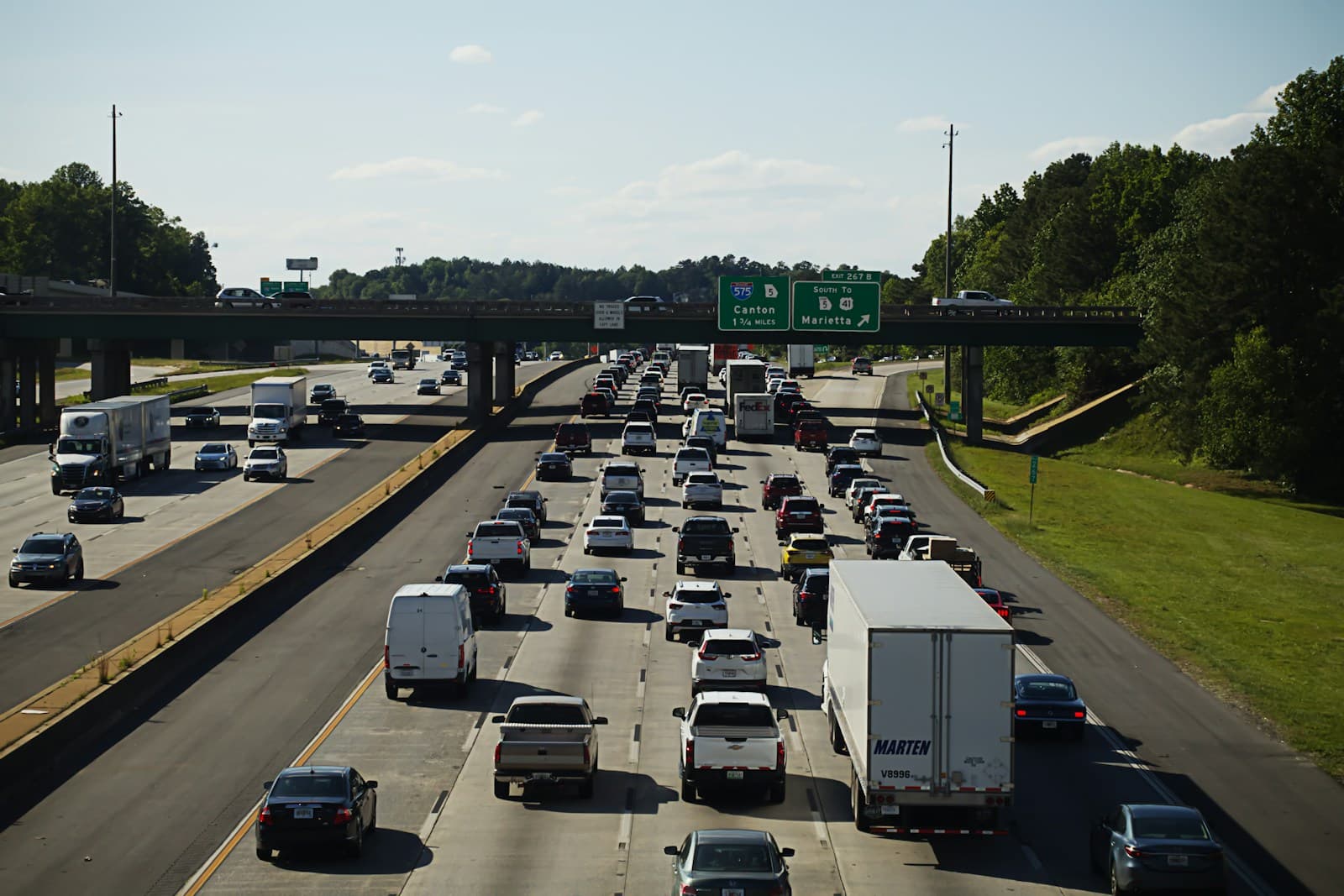
- I-95 Corridor Congestion: Stamford sits on one of the Northeast's busiest highway stretches, with Interstate 95 running directly through the city. High-risk drivers face elevated premiums here because accident frequency on congested urban highways increases insurer exposure, particularly for those with prior at-fault accidents.
- Fairfield County Court System: DUI and reckless driving cases in Stamford are processed through Stamford Superior Court, where conviction rates and plea outcomes affect SR-22 timing. The DMV typically requires SR-22 filing within 30 days of license reinstatement, and delays trigger extended suspension periods.
- Urban Uninsured Motorist Concentration: Stamford's urban density and proximity to New York contribute to higher uninsured motorist rates compared to rural Connecticut. High-risk drivers should prioritize uninsured motorist coverage at 100/300 limits, as premiums already reflect elevated risk and a single hit from an uninsured driver can be financially catastrophic.
- Commuter Population and Mileage: Stamford's position as a bedroom community for New York City means many residents log 15,000+ annual miles commuting via I-95 and Metro-North lots. Insurers classify high annual mileage as increased exposure, compounding rates for drivers already in non-standard pools.
- Winter Weather Claims History: Coastal Connecticut winters bring freezing rain and nor'easters, creating hazardous driving conditions on Stamford's hilly streets and highway ramps. High-risk drivers with prior at-fault accidents see larger rate increases here than in milder climates, as insurers weigh both driving history and weather-related claim likelihood.
Find out exactly how long SR-22 is required in your state
Coverage Recommendations
Cost estimates are based on available industry data and vary by driver profile. These are not insurance quotes.
SR-22 Insurance
Connecticut requires SR-22 filing for DUI convictions, repeat violations, at-fault accidents without insurance, and license reinstatement after suspension. The SR-22 itself is a certificate your insurer files with the Connecticut DMV proving you carry at least 25/50/25 liability; lapses trigger automatic suspension.
$25–$50 filing fee plus doubled premiumsEstimated range only. Not a quote.
Liability Insurance
Connecticut's minimum is 25/50/25 ($25k per person, $50k per accident, $25k property damage), but high-risk drivers in Stamford should carry 100/300/100 to protect assets given the city's high-income population and expensive vehicles on the road. Minimum coverage leaves you exposed in serious accidents.
$150–$300/month for 100/300/100Estimated range only. Not a quote.
Uninsured Motorist Coverage
Stamford's urban environment means higher odds of being hit by an uninsured driver. This coverage pays your medical bills and lost wages when the at-fault driver has no insurance, and it's often underpriced relative to the protection it provides for high-risk drivers already paying elevated premiums.
Add $30–$60/month for 100/300 UMEstimated range only. Not a quote.
Non-Standard Auto Insurance
Drivers with DUIs, multiple violations, or SR-22 requirements typically move into the non-standard market, where carriers specialize in high-risk profiles. In Stamford, non-standard carriers include regional providers serving Fairfield County and national companies with Connecticut programs; expect fewer discounts and higher base rates.
$2,400–$4,800/year full coverageEstimated range only. Not a quote.