What Affects Rates in St Petersburg
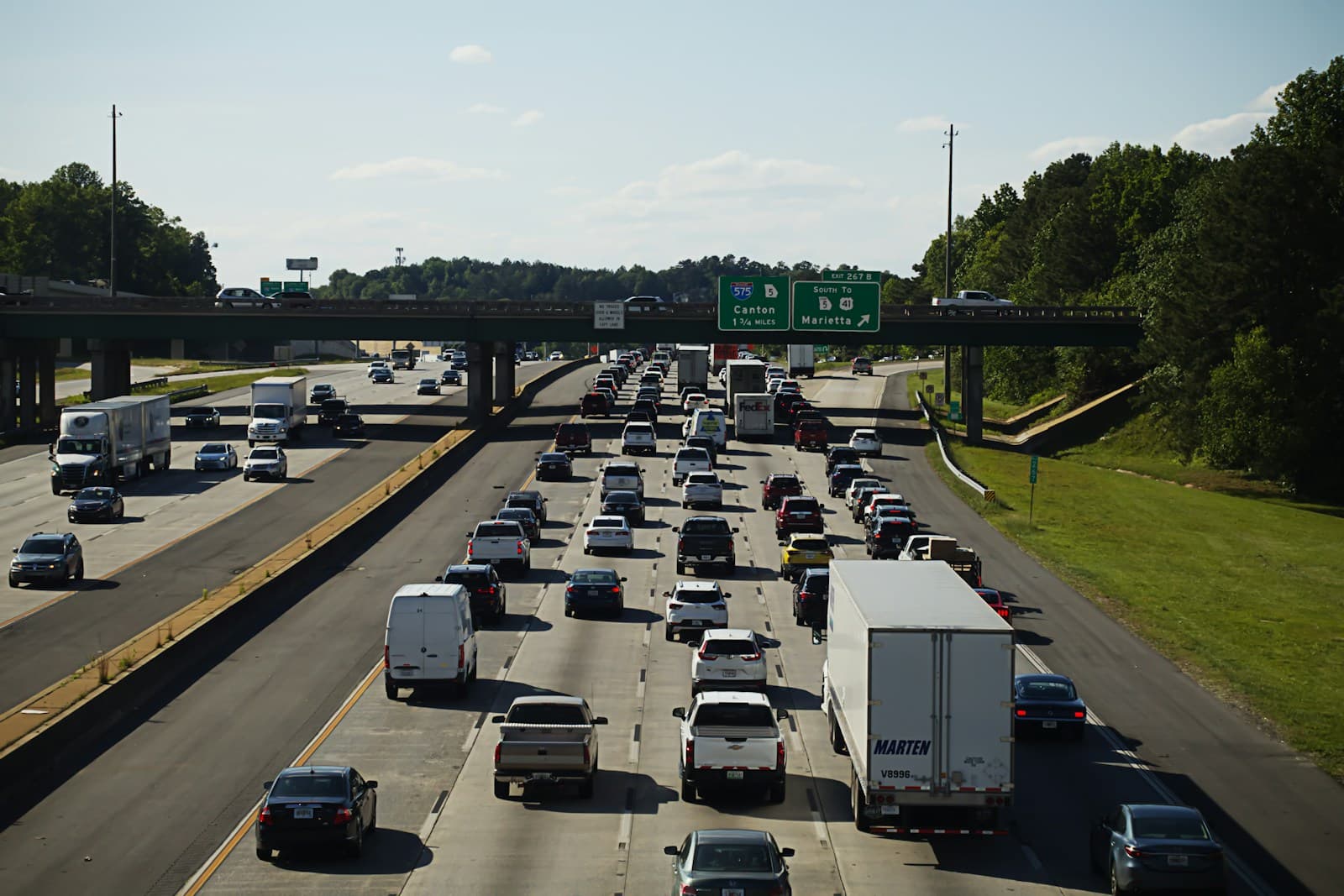
- I-275 and US-19 Congestion: St. Petersburg's primary north-south corridors—I-275 through downtown and US-19 along the eastern border—see heavy commuter volume and frequent accidents, particularly near the I-175 interchange and Roosevelt Boulevard. Drivers with at-fault accidents already on record face steeper rate increases in ZIP codes along these routes due to elevated claim frequency.
- Pinellas County Uninsured Driver Concentration: With Florida's uninsured motorist rate at 20.4%, one of the highest nationally, uninsured motorist coverage becomes critical for high-risk drivers who cannot afford another at-fault claim. Pinellas County's urban density increases encounter probability, raising premiums 8–15% for UM/UIM coverage over rural Florida markets.
- Tropical Storm and Flood Exposure: St. Petersburg's Gulf Coast location and low elevation increase comprehensive claims for flooding and wind damage, especially in zones near Bayboro Harbor and Shore Acres. High-risk drivers adding comprehensive coverage—often required by SR-22 scenarios involving financed vehicles—pay 10–20% more than inland Florida cities due to storm loss history.
- DUI Enforcement in Pinellas County: Pinellas County courts require SR-22 filing for all DUI convictions, hardship license reinstatements, and certain repeat moving violations. The three-year SR-22 clock starts only after license reinstatement, meaning delays in completing DUI school or ignition interlock requirements extend the high-risk rating period and associated premiums.
- Non-Standard Carrier Availability: St. Petersburg's population density and high-risk driver volume support active non-standard markets—Bristol West, Dairyland, The General, and National General all write SR-22 policies locally. This competitive supply prevents the rate extremes seen in rural markets, but expect quotes 150–300% above standard rates depending on violation severity and recency.
Find out exactly how long SR-22 is required in your state
Coverage Recommendations
Cost estimates are based on available industry data and vary by driver profile. These are not insurance quotes.
SR-22 Insurance
An SR-22 is a liability certificate your insurer files with Florida DHSMV proving you carry at least state minimum coverage ($10,000/$20,000/$10,000). Required for DUI, suspended license reinstatement, or repeat serious violations, it must stay active for three consecutive years or your license suspends again immediately.
$25–$50 filing fee; underlying policy $200–$400/moEstimated range only. Not a quote.
Liability Insurance
Florida requires $10,000 property damage and $10,000 personal injury protection, but SR-22 drivers must also carry $10,000/$20,000 bodily injury liability—waived for most Florida drivers but mandatory with SR-22. High-risk drivers in St. Petersburg should consider $50,000/$100,000 limits given the uninsured driver rate and litigation risk from Gulf-to-Bay corridor accidents.
$120–$250/mo for state minimums; $180–$350/mo for $50k/$100kEstimated range only. Not a quote.
Uninsured Motorist Coverage
With 20.4% of Florida drivers uninsured, UM/UIM coverage protects you when an uninsured driver causes a crash—critical in St. Petersburg's congested US-19 and I-275 corridors where hit-and-run and uninsured claims are frequent. High-risk drivers cannot afford another at-fault accident, making this coverage essential despite adding $15–$40/month to premiums.
$15–$40/mo for $50,000/$100,000 UM/UIMEstimated range only. Not a quote.
Non-Standard Auto Insurance
Non-standard carriers specialize in high-risk profiles—DUIs, suspensions, lapses over 90 days, multiple at-fault accidents. In St. Petersburg, Bristol West, Dairyland, National General, and The General actively write these policies with SR-22 filings, offering monthly payment plans and reinstatement assistance standard carriers won't provide.
Typically 150–300% above standard market ratesEstimated range only. Not a quote.