What Affects Rates in Tampa
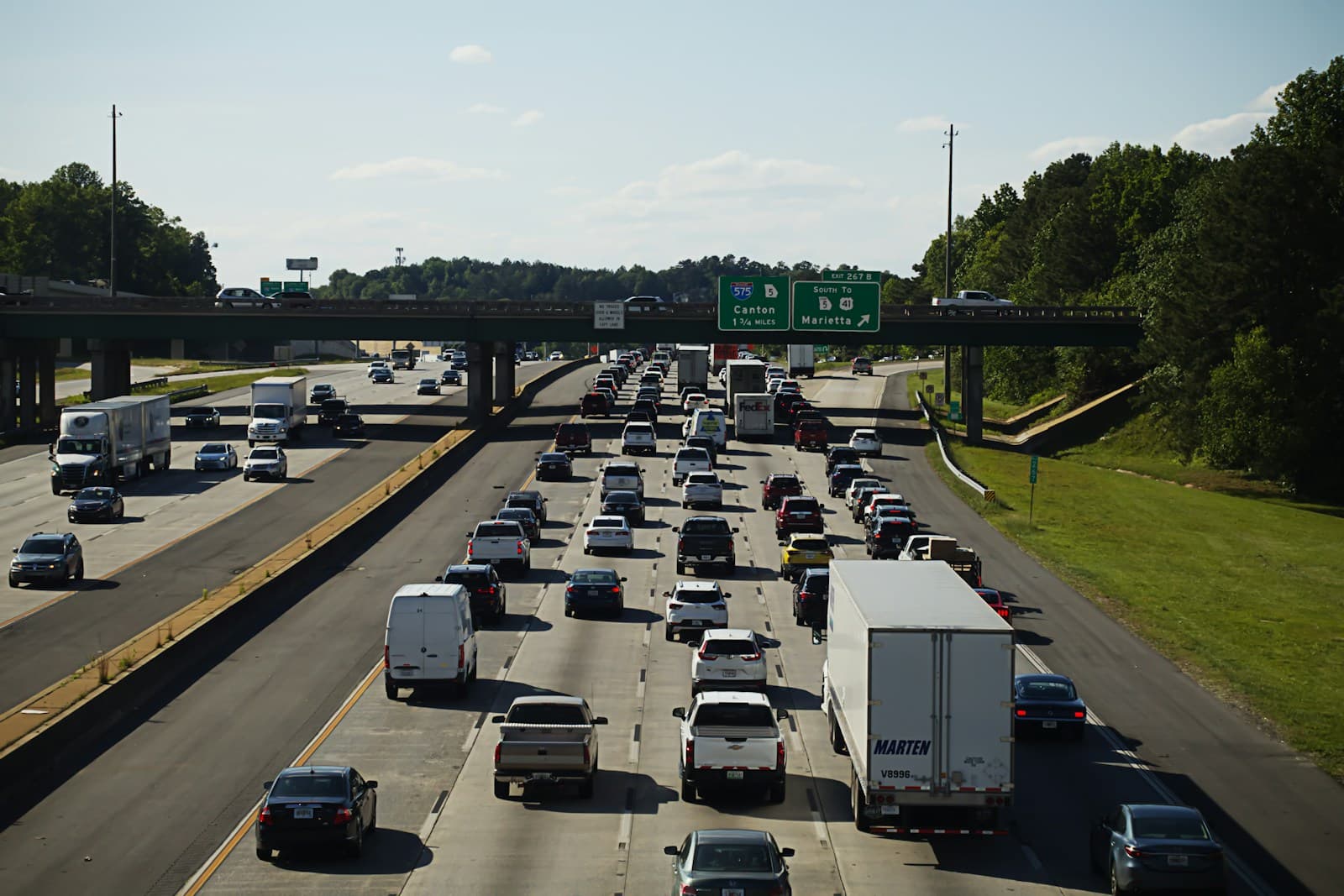
- I-275 and I-4 Corridor Accident Density: The I-275/I-4 interchange consistently ranks among Florida's deadliest highway corridors, with high accident frequency during rush hours. High-risk drivers face steeper premiums in zip codes surrounding this corridor due to elevated collision exposure and claim frequency.
- Hillsborough County Court Backlog: Hillsborough County DUI and traffic violation cases often face court backlogs of 6–12 months, which can delay license reinstatement and extend SR-22 filing timelines. Drivers may need continuous coverage during waiting periods, increasing total premium outlay before formal SR-22 filing begins.
- Uninsured Driver Concentration: Florida's uninsured motorist rate sits at 20.4%, one of the highest nationally. Tampa's urban density and economic variability mean higher collision risk with uninsured drivers, making uninsured motorist coverage critical for high-risk drivers who cannot afford out-of-pocket losses.
- Non-Standard Carrier Market Depth: Tampa has substantial non-standard carrier availability due to its size and Florida's high-risk driver population, including Progressive, Direct Auto, Acceptance, and regional carriers. Competition among non-standard insurers can lower rates by $300–$800/year compared to rural Florida markets with fewer options.
- Tropical Storm and Hurricane Exposure: Tampa sits in a high-risk hurricane zone, and comprehensive coverage costs rise for all drivers post-storm season. High-risk drivers who drop comprehensive to lower premiums face greater financial exposure during June–November storm activity, especially for financed vehicles requiring full coverage.

Find out exactly how long SR-22 is required in your state
Coverage Recommendations
Cost estimates are based on available industry data and vary by driver profile. These are not insurance quotes.
SR-22 Insurance
An SR-22 is a state-mandated certificate filed by your insurer proving you carry at least Florida's minimum liability ($10,000/$20,000/$10,000). Required for three years after DUI convictions, license suspensions for violations, or at-fault accidents without insurance. The filing itself costs $25–$50, but underlying high-risk premiums drive total costs to $1,800–$3,600/year.
$1,800–$3,600/year with filingEstimated range only. Not a quote.
Liability Insurance
Florida requires $10,000 bodily injury per person, $20,000 per accident, and $10,000 property damage, but high-risk drivers should consider $50,000/$100,000/$50,000 or higher due to Tampa's dense traffic and lawsuit risk. Minimum coverage leaves you personally liable for damages exceeding limits, a severe risk if you cause injury on I-275 or in dense Westshore districts.
$150–$300/month minimum limitsEstimated range only. Not a quote.
Uninsured Motorist Coverage
With one in five Florida drivers uninsured, this coverage protects you when hit by a driver with no insurance or who flees the scene. High-risk drivers already paying elevated premiums cannot afford out-of-pocket medical bills or vehicle repairs if struck by an uninsured driver in Tampa's high-traffic zones.
$10–$30/month added costEstimated range only. Not a quote.
Non-Standard Auto Insurance
Non-standard policies are designed for drivers with DUIs, multiple violations, or lapses who cannot access standard-market carriers. Tampa's market includes Progressive, Direct Auto, Acceptance, and Florida-focused regional insurers offering monthly payment plans and immediate SR-22 filing, though premiums run 50–150% higher than standard rates.
$1,800–$4,500/year typical rangeEstimated range only. Not a quote.