What Affects Rates in Kansas City
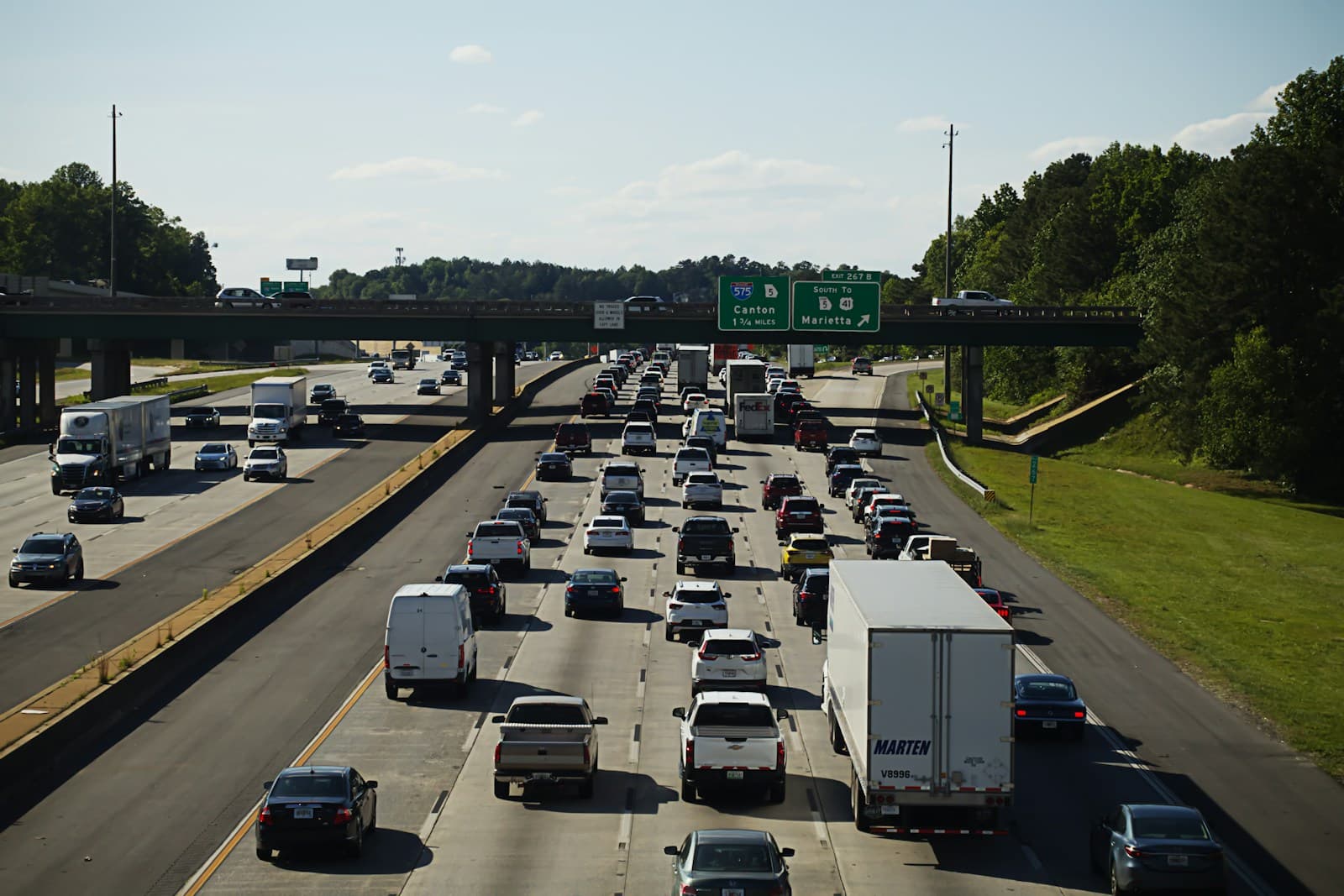
- I-70/I-35 Corridor Traffic Density: Kansas City sits at the intersection of two major interstate corridors with heavy commercial truck traffic, increasing accident exposure for high-risk drivers. Carriers price violations more aggressively in zip codes near these interchange zones due to elevated claim frequency.
- Wyandotte County Court Processing: DUI and reckless driving cases processed through Wyandotte County District Court trigger SR-22 requirements monitored by Kansas Department of Revenue. Any lapse in coverage during the 3-year SR-22 period resets the clock and may result in license suspension within 10 days.
- Urban Core Uninsured Driver Concentration: Certain Kansas City neighborhoods show higher uninsured motorist rates than the Kansas state average of approximately 9%, increasing risk for high-risk drivers who carry only state minimums. Uninsured motorist coverage becomes critical after an at-fault accident when liability limits are already strained.
- Weather-Related Claim Patterns: Kansas City experiences frequent severe thunderstorms, hail, and ice events that drive comprehensive claims. High-risk drivers with recent at-fault accidents already face elevated collision premiums; weather-related comprehensive claims can further limit carrier options.
- Cross-State Rating Complexity: Kansas City's location on the Kansas-Missouri border means some drivers work or have violations across state lines. Kansas SR-22 requirements follow Kansas law regardless of where the violation occurred, but Missouri violations on a Kansas license still trigger Kansas filing requirements and rate increases.

Find out exactly how long SR-22 is required in your state
Coverage Recommendations
Cost estimates are based on available industry data and vary by driver profile. These are not insurance quotes.
SR-22 Insurance
Kansas SR-22 is a certificate filed by your insurer with the Kansas Department of Revenue proving continuous liability coverage for 3 years. Required after DUI, reckless driving, driving without insurance, or multiple violations. Any lapse during the 3-year period resets the requirement and suspends your license.
$25–$50 filing fee plus elevated premiumEstimated range only. Not a quote.
Liability Insurance
Kansas requires minimum 25/50/25 liability limits, but high-risk drivers with prior at-fault accidents should carry 50/100/50 or higher. After a DUI or major violation, you cannot afford another at-fault claim that exceeds minimum coverage and triggers a lawsuit. Underinsured coverage gaps cost more than higher limits.
State minimum $80–$180/mo; 50/100/50 adds $30–$70/moEstimated range only. Not a quote.
Uninsured Motorist Coverage
Covers you when hit by an uninsured driver, critical in Kansas City where urban core areas show uninsured rates above the state average. High-risk drivers already paying elevated premiums cannot absorb out-of-pocket medical bills or vehicle damage from an uninsured at-fault party.
Adds $15–$40/mo to high-risk policyEstimated range only. Not a quote.
Non-Standard Auto Insurance
Specialty carriers in Kansas City write policies for drivers with DUIs, suspended licenses, or multiple violations that standard carriers decline. Rates are higher but coverage is available. After 3 years with no new violations and continuous SR-22 compliance, you can transition back to standard market and cut premiums 30–50%.
$150–$300/mo typical rangeEstimated range only. Not a quote.