What Affects Rates in Concord
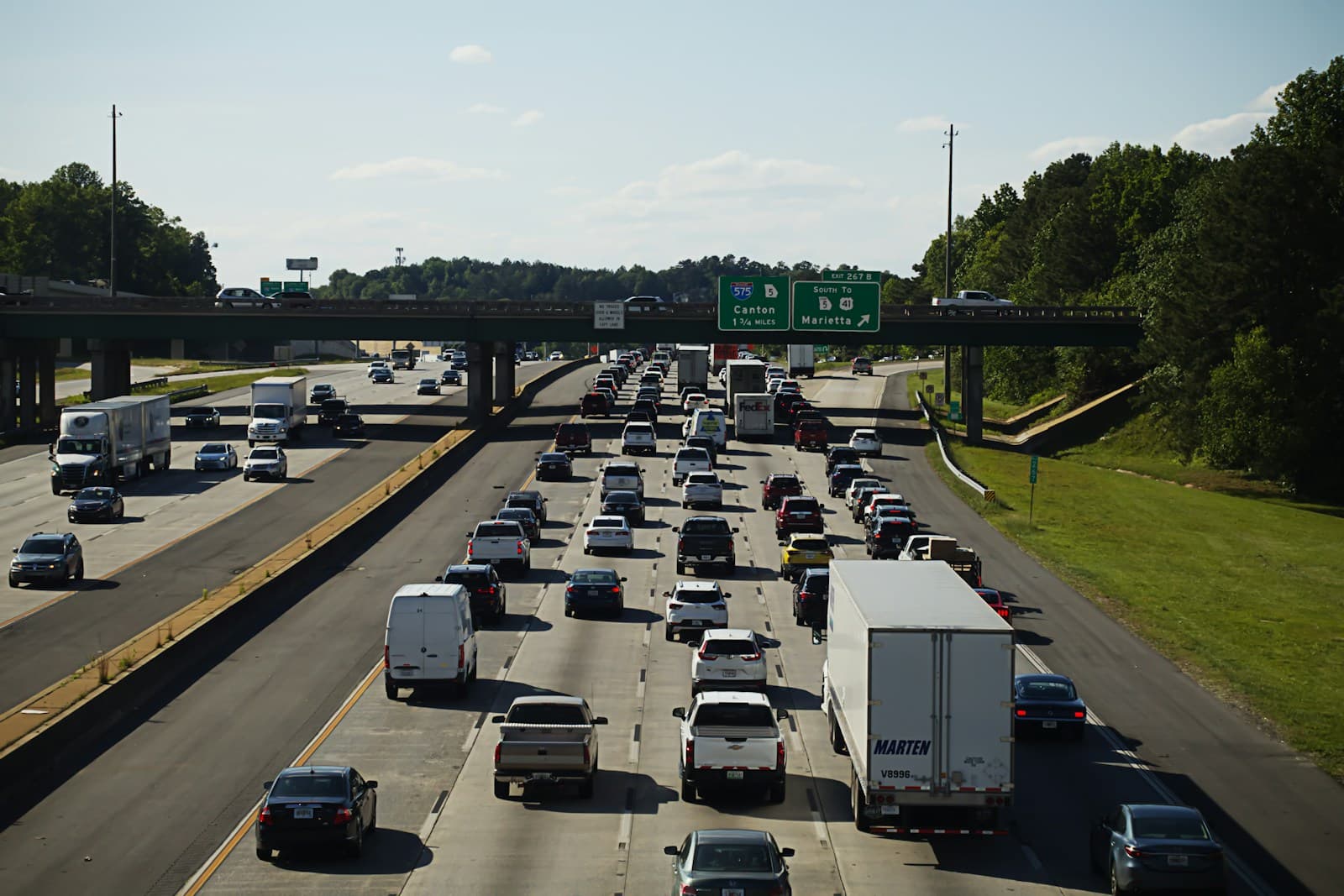
- Capital City Traffic Concentration: Concord's status as state capital creates concentrated weekday traffic along I-93 and I-89 corridors and around the downtown government district. Higher traffic density correlates with elevated accident frequency, which insurers factor into high-risk premiums for drivers with existing at-fault claims or multiple violations.
- New Hampshire's No-Mandate Insurance System: New Hampshire does not require auto insurance for most drivers, but SR-22 filers must carry minimum liability (25/50/25) for the full three-year period. Insurers price high-risk policies more cautiously here because the state's opt-in insurance environment increases exposure risk for carriers covering mandated high-risk drivers.
- Harsh Winter Road Conditions: Concord averages 64 inches of snow annually, with freeze-thaw cycles creating black ice and road deterioration from November through March. High-risk drivers with previous at-fault accidents face steeper comprehensive and collision premiums due to elevated winter incident rates in the capital region.
- Merrimack County Court Processing: DUI and major violation cases in Concord are processed through Merrimack County Superior Court. The court's handling of license suspensions and reinstatement timelines directly affects how long you'll carry SR-22 and pay elevated premiums, with typical suspension periods of 9–24 months for first DUI offenses.
- Limited Public Transit Options: Concord Area Transit provides minimal bus service compared to larger New Hampshire cities, forcing most residents to drive. This increases insurer scrutiny for high-risk applicants, as lack of transit alternatives correlates with higher annual mileage and continued driving risk.

Find out exactly how long SR-22 is required in your state
Coverage Recommendations
Cost estimates are based on available industry data and vary by driver profile. These are not insurance quotes.
SR-22 Insurance
New Hampshire requires SR-22 filing for DUI convictions, at-fault uninsured accidents, repeat violations, or license reinstatement after suspension. The SR-22 itself is a form your insurer files with the DMV proving you carry minimum liability (25/50/25); you must maintain it for three years without lapses or your suspension clock resets.
$25–$50 filing fee plus elevated premiumsEstimated range only. Not a quote.
Liability Insurance
New Hampshire's minimum liability is 25/50/25 ($25k per person injury, $50k per accident injury, $25k property damage), but high-risk drivers should consider 50/100/50 or higher. Concord's downtown density and I-93 commuter traffic increase collision exposure, and minimum limits leave you financially exposed if you cause another at-fault accident during your SR-22 period.
$80–$180/month for minimum; $120–$250/month for 50/100/50Estimated range only. Not a quote.
Uninsured Motorist Coverage
New Hampshire's opt-in insurance system means approximately 8% of drivers carry no coverage—lower than the national average but still significant. For high-risk drivers already paying elevated premiums, uninsured motorist coverage (not required but recommended) protects you if an uninsured driver hits you, preventing out-of-pocket medical and repair costs.
$15–$40/month added to policy costEstimated range only. Not a quote.
Non-Standard Auto Insurance
If standard carriers decline you due to DUI, multiple violations, or lapses, non-standard insurers operating in Concord (including national high-risk specialists and state-assigned risk pool options) will provide coverage. Rates run 50–150% higher than standard market, but maintaining continuous coverage for 3–5 years can move you back to standard rates.
$200–$350/month for full coverage in non-standard marketEstimated range only. Not a quote.