What Affects Rates in Charlotte
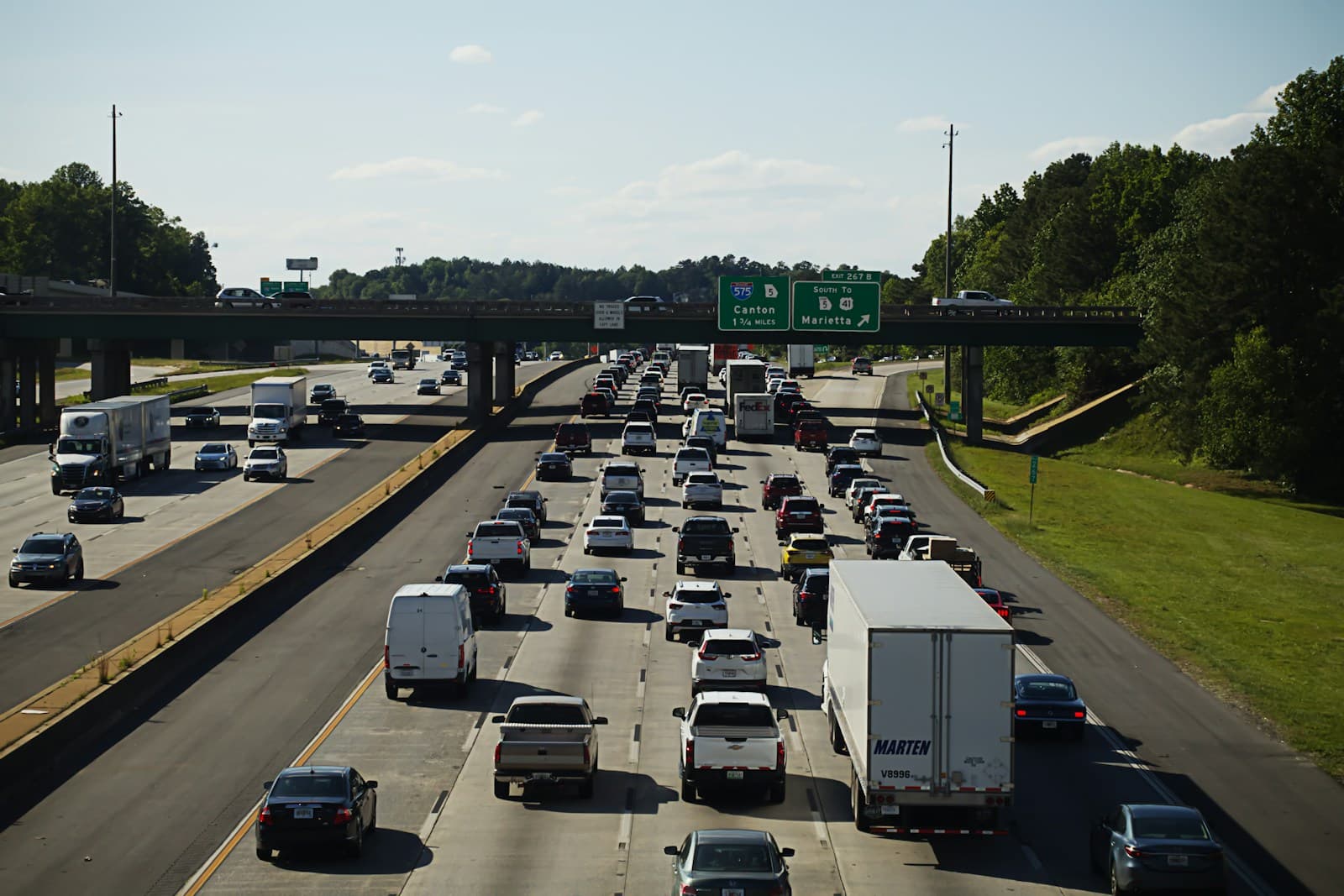
- I-77 and I-85 Corridor Density: Charlotte's position at the intersection of I-77 and I-85 creates heavy commuter traffic through the city center, particularly near the I-277 loop. High-risk drivers face elevated premiums in ZIP codes near these interchanges due to elevated accident frequency during peak hours.
- Contributory Negligence Impact: North Carolina's contributory negligence rule means if you're found even 1% at fault in an accident, you cannot recover damages from the other driver. For high-risk drivers with prior at-fault accidents, this increases insurer exposure and raises premiums 15–25% compared to comparative negligence states.
- Uptown and South End Congestion: High-density neighborhoods like Uptown, South End, and NoDa see frequent low-speed collisions, parking incidents, and pedestrian conflicts. High-risk drivers in these ZIP codes often pay $30–$60 more per month due to elevated claim frequency.
- Uninsured Driver Concentration: Mecklenburg County's uninsured motorist rate runs above 7%, with higher concentrations in eastern and western Charlotte. High-risk drivers should prioritize uninsured motorist coverage here, as gaps in the other driver's coverage increase your liability exposure after any accident.
- Weather-Related Incidents: Charlotte sees ice and freezing rain several times each winter, leading to multi-vehicle pileups on elevated sections of I-77 and I-485. High-risk drivers with prior at-fault weather incidents face 10–20% higher comprehensive and collision premiums during winter months.

Find out exactly how long SR-22 is required in your state
Coverage Recommendations
Cost estimates are based on available industry data and vary by driver profile. These are not insurance quotes.
SR-22 Insurance
North Carolina requires SR-22 filings for DUI convictions, driving while license revoked, and accumulating 12 points in 3 years. The SR-22 itself costs $50 to file, but underlying high-risk premiums in Charlotte typically run $175–$350/month. You must maintain continuous coverage for 3 years; any lapse restarts the clock.
$50 filing + $175–$350/month premiumEstimated range only. Not a quote.
Liability Insurance
North Carolina minimums are $30,000 per person/$60,000 per accident for bodily injury and $25,000 for property damage. High-risk drivers in Charlotte should consider $100,000/$300,000/$100,000 limits due to contributory negligence rules — if you cause an accident, you cannot rely on the other driver's policy to cover your costs even if they share fault.
State minimum: $80–$150/month for high-risk; higher limits add $40–$80/monthEstimated range only. Not a quote.
Uninsured Motorist Coverage
With over 7% of Mecklenburg County drivers uninsured, this coverage protects you when an at-fault driver has no insurance. North Carolina requires insurers to offer UM/UIM coverage equal to your liability limits unless you reject it in writing. For high-risk drivers, this is critical — you cannot afford out-of-pocket injury costs after another driver's lapse.
$15–$40/month additional for $100,000/$300,000 UM/UIMEstimated range only. Not a quote.
Non-Standard Auto Insurance
Carriers like Dairyland, The General, Bristol West, and Acceptance operate in Charlotte specifically for drivers with suspensions, DUIs, multiple violations, or lapses. These policies cost 50–150% more than standard rates but offer immediate coverage when standard carriers decline. Rates typically decrease after 3 years of continuous, claim-free coverage.
$175–$350/month in Charlotte; higher for multiple DUIsEstimated range only. Not a quote.