What Affects Rates in Concord
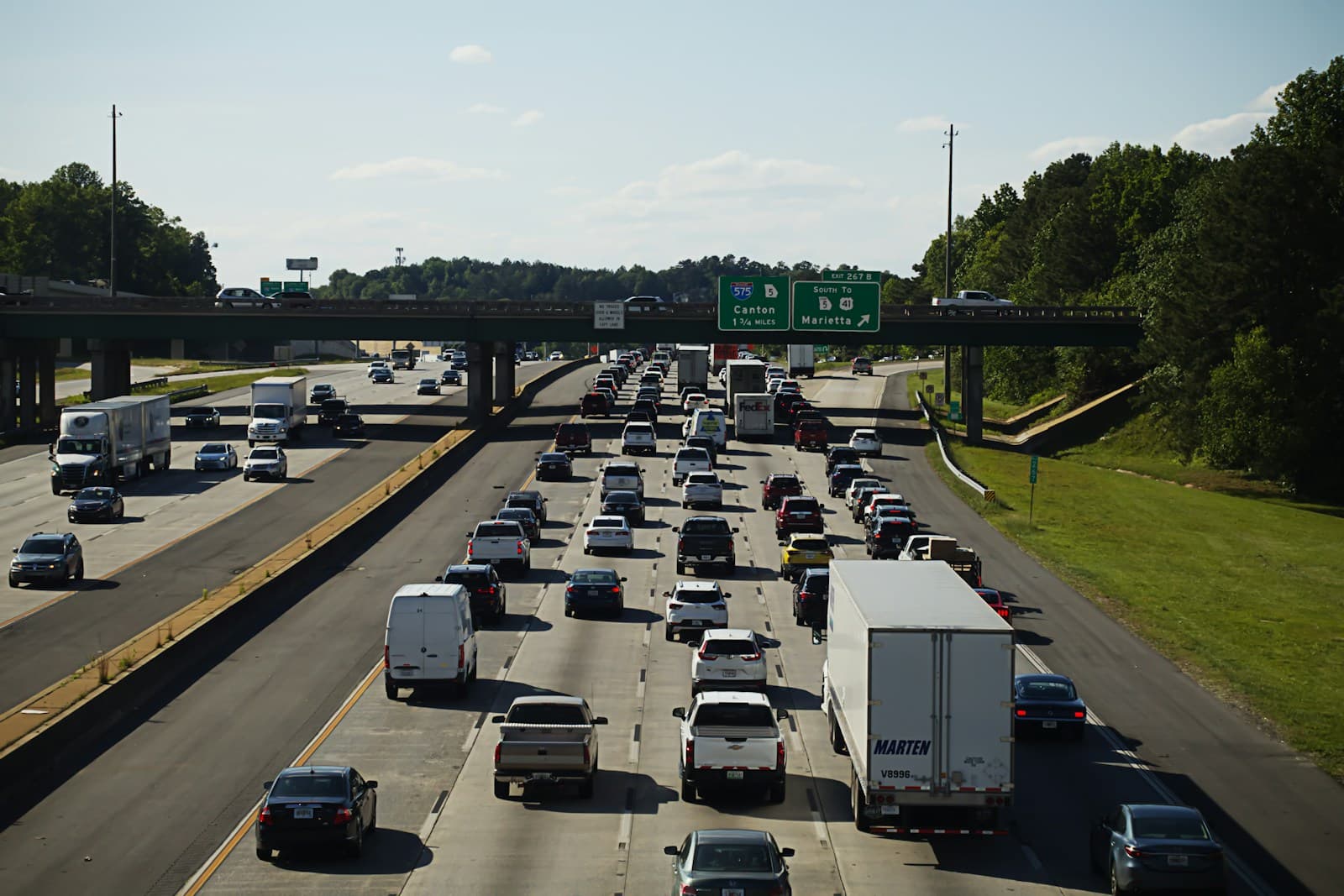
- I-85 Corridor Density: Concord sits along the I-85 corridor between Charlotte and Salisbury, with heavy commuter traffic driving elevated accident frequencies. High-risk drivers living near Exit 58 (Poplar Tent Road) and Exit 60 (Kannapolis Parkway) often see 15–25% higher premiums than those in less congested northern areas like Flowes Store or Irish Potato Creek neighborhoods.
- Charlotte Speedway Event Traffic: Proximity to Charlotte Motor Speedway generates significant seasonal traffic surges, with accident rates spiking during NASCAR race weekends and major events. Drivers with violation histories living within 5 miles of the Speedway complex face higher risk assessments due to documented increases in impaired driving arrests and collision claims during event periods.
- Cabarrus County Court Processing: SR-22 filings processed through Cabarrus County courts typically clear within 5–7 business days once submitted by your insurer. DUI convictions in Concord municipal court trigger immediate SR-22 requirements, with North Carolina DMV requiring continuous 3-year certification from the conviction date, not the filing date.
- Uninsured Driver Concentration: Cabarrus County's uninsured motorist rate runs approximately 9–11%, slightly below the North Carolina state average of 13%, but concentrated along Route 29 and older residential areas east of downtown. High-risk drivers should carry uninsured motorist coverage at state minimums ($30,000/$60,000) to protect against gap coverage after an at-fault accident with an uninsured driver.
- Growth Corridor Rate Pressure: Concord's rapid population growth—expanding from 79,000 in 2010 to over 105,000 today—has increased traffic density on Poplar Tent Road, Concord Mills Boulevard, and Highway 73. Insurers adjust high-risk premiums upward in ZIP codes 28025, 28027, and 28075 to reflect rising claim frequencies in these development zones.
Find out exactly how long SR-22 is required in your state
Coverage Recommendations
Cost estimates are based on available industry data and vary by driver profile. These are not insurance quotes.
SR-22 Insurance
North Carolina requires SR-22 certification for DUI convictions, driving while license suspended, at-fault accidents without insurance, and accumulating 12+ points in 3 years. The SR-22 itself costs $50 to file, but underlying high-risk premiums in Concord run $150–$350/month depending on violation severity and carrier.
$50 filing + $150–$350/mo premiumEstimated range only. Not a quote.
Liability Insurance
North Carolina mandates $30,000 per person/$60,000 per accident bodily injury and $25,000 property damage. High-risk drivers in Concord should consider $50,000/$100,000/$50,000 limits due to elevated lawsuit risk after a second violation—Cabarrus County civil courts see higher claim payouts along the Charlotte metro corridor.
State minimum: $90–$180/mo high-riskEstimated range only. Not a quote.
Uninsured Motorist Coverage
With 9–11% of Cabarrus County drivers uninsured, this coverage protects you when an at-fault uninsured driver hits you. North Carolina requires insurers to offer UM/UIM at the same limits as your liability policy; high-risk drivers pay $20–$45/month to add $30,000/$60,000 UM coverage.
$20–$45/mo for state minimumsEstimated range only. Not a quote.
Non-Standard Auto Insurance
Carriers specializing in high-risk profiles—including drivers with DUIs, multiple violations, or lapses—operate in Concord through independent agents and direct channels. Non-standard policies often feature higher down payments (25–40% of 6-month premium) and monthly payment options with installment fees of $5–$10.
25–40% down payment typicalEstimated range only. Not a quote.