What Affects Rates in Winston Salem
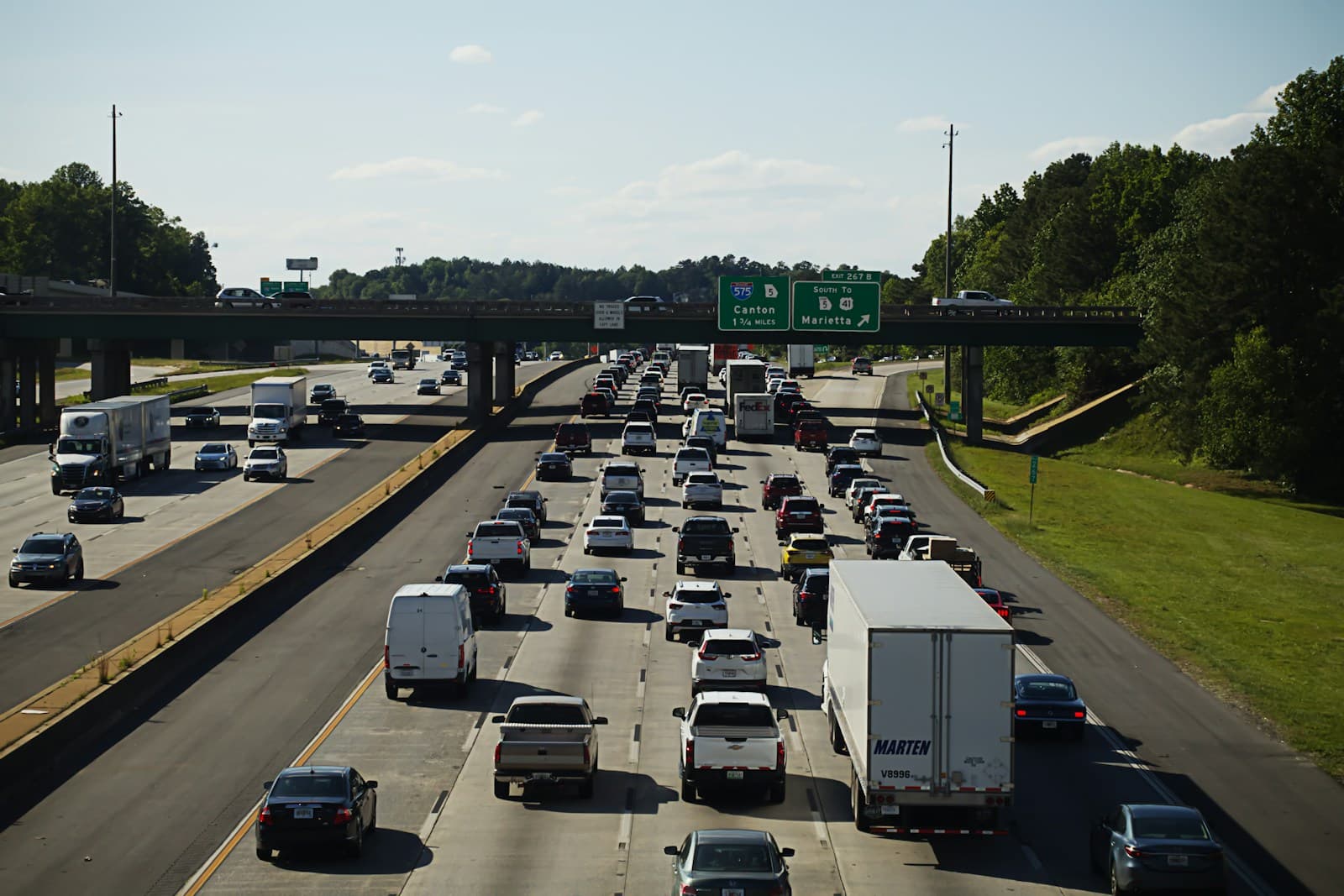
- US-52 and I-40 Corridor Accident Density: The US-52/I-40 interchange and Business 40 corridor through downtown Winston-Salem see elevated accident frequency, particularly during morning and evening commutes. High-risk drivers with at-fault accidents in these zones may face steeper rate increases due to repeat-incident likelihood scoring used by non-standard carriers.
- Forsyth County DWI Court Processing: Forsyth County processes DWI cases through dedicated court sessions, and conviction timelines average 4–8 months from arrest to final disposition. Carriers often apply surcharges immediately upon conviction filing, and SR-22 filing obligations begin on the DMV restoration date, not the arrest date.
- Urban Core Uninsured Driver Concentration: Neighborhoods in East Winston and parts of the downtown corridor show higher uninsured motorist rates than suburban Forsyth County areas. High-risk drivers already facing elevated premiums in these zip codes should prioritize uninsured motorist coverage, as collision with an uninsured driver can trigger further at-fault surcharges if you lack UM protection.
- Winter Weather and Lapse Risk: Winston-Salem averages 4–6 inches of snow annually, with ice storms causing multi-day traffic disruptions. High-risk drivers on tight payment schedules risk coverage lapses during winter months when income interruptions coincide with weather events—any lapse during an SR-22 period restarts the 3-year clock.
- Wake Forest University Area Traffic Violations: The Reynolda Road corridor and streets surrounding Wake Forest University experience higher traffic enforcement, including speeding and distracted driving citations. High-risk drivers with existing violations should be aware that additional moving violations in this area can push them into assigned risk pool territory, where monthly premiums can exceed $400.
Find out exactly how long SR-22 is required in your state
Coverage Recommendations
Cost estimates are based on available industry data and vary by driver profile. These are not insurance quotes.
SR-22 Insurance
An SR-22 is a certificate your insurer files with North Carolina DMV proving you carry at least state minimum liability ($30,000/$60,000/$25,000). Required for 3 years after DUI, reckless driving, or driving while license suspended in Winston-Salem. Any lapse in coverage during the 3-year period restarts the clock and triggers license re-suspension.
$50 one-time filing fee + 150–250% base rate increaseEstimated range only. Not a quote.
Liability Insurance
North Carolina requires $30,000 per person and $60,000 per accident in bodily injury liability, plus $25,000 property damage. High-risk drivers in Winston-Salem should consider $100,000/$300,000/$100,000 limits—at-fault accidents with minimum coverage can leave you exposed to personal lawsuits, and higher limits often add only $20–$40/month even on non-standard policies.
$120–$220/month for state minimums after DUIEstimated range only. Not a quote.
Uninsured Motorist Coverage
North Carolina requires insurers to offer uninsured/underinsured motorist coverage matching your liability limits unless you reject it in writing. With roughly 7% of drivers statewide uninsured—and higher concentrations in urban Winston-Salem—this coverage protects you from out-of-pocket costs if an uninsured driver hits you, preventing another at-fault financial hit to your already elevated premiums.
$15–$35/month additional on high-risk policiesEstimated range only. Not a quote.
Non-Standard Auto Insurance
Non-standard carriers specialize in high-risk profiles—multiple DUIs, license suspensions, lapses over 90 days, or 3+ violations in 36 months. These carriers operate in Forsyth County and offer monthly payment plans, though expect down payments of 20–35% of the 6-month premium and rates 200–300% above standard market.
$200–$400/month for liability-only coverageEstimated range only. Not a quote.