What Affects Rates in Greensboro
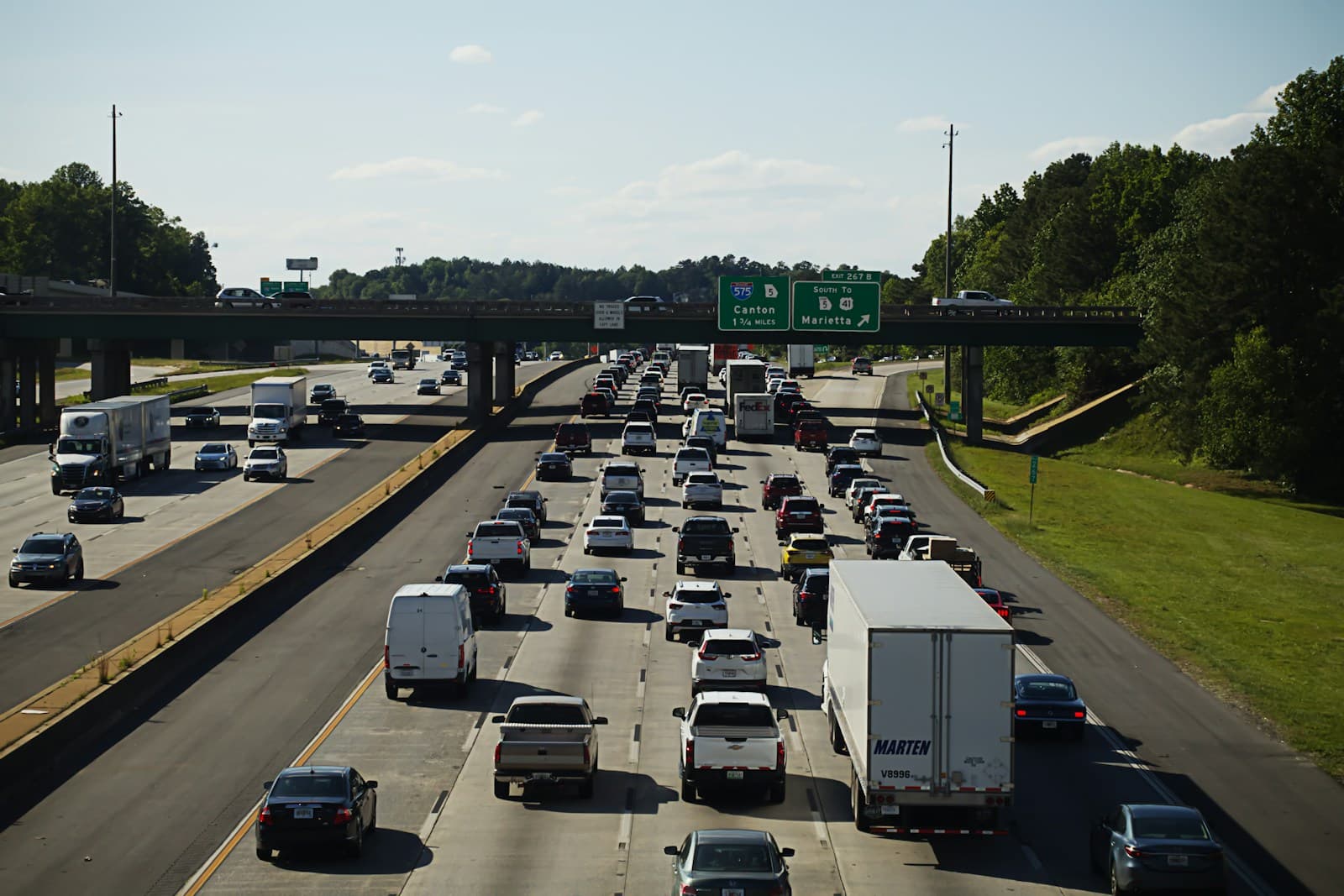
- I-40/I-85 Corridor Density: Greensboro sits at the intersection of two major interstate highways with consistent congestion and accident frequency, particularly near the I-40/I-85 Business Loop merge zones. High-risk drivers face steeper premiums due to elevated collision probability in these high-traffic areas compared to smaller Triad cities.
- Guilford County Court System: DUI and violation cases processed through Guilford County courts often result in SR-22 requirements lasting the full 3-year North Carolina mandate. Limited diversion programs for repeat offenders mean most high-risk drivers here maintain SR-22 status longer than those in counties with alternative sentencing options.
- Uninsured Driver Concentration: Greensboro's uninsured motorist rate exceeds the North Carolina state average of roughly 7.4%, concentrated in high-density neighborhoods along the east and southeast corridors. This drives up uninsured motorist coverage costs for all drivers, but especially for those already in non-standard risk pools.
- Non-Standard Carrier Availability: Multiple non-standard and assigned-risk carriers operate in the Triad region, including providers specializing in post-DUI and SR-22 coverage. Competition among high-risk insurers in Greensboro creates more rate variability than rural North Carolina markets, making comparison shopping essential.
- Urban Theft and Vandalism Rates: Greensboro's property crime rates influence comprehensive coverage costs for high-risk drivers who maintain full-coverage policies. Vehicle theft concentration in downtown and eastern neighborhoods increases premiums for comprehensive by 15–25% compared to suburban Winston-Salem or High Point.

Find out exactly how long SR-22 is required in your state
Coverage Recommendations
Cost estimates are based on available industry data and vary by driver profile. These are not insurance quotes.
SR-22 Insurance
North Carolina requires SR-22 certification for 3 years following DUI convictions, multiple violations within 3 years, or driving uninsured. The SR-22 itself costs $50 to file, but your underlying liability policy premium increases significantly—expect $1,800–$3,600/year depending on violation severity and Greensboro zip code.
$1,800–$3,600/year totalEstimated range only. Not a quote.
Liability Insurance
North Carolina mandates $30,000 per person/$60,000 per accident bodily injury liability and $25,000 property damage. High-risk drivers in Greensboro should consider higher limits ($100,000/$300,000/$100,000) given the city's above-average uninsured driver rate and congested interstate corridors where multi-vehicle accidents are common.
$125–$250/month for state minimumsEstimated range only. Not a quote.
Uninsured Motorist Coverage
Greensboro's elevated uninsured driver population makes this coverage critical for high-risk drivers who cannot afford out-of-pocket costs after an accident with an uninsured motorist. North Carolina requires insurers to offer it at the same limits as your liability coverage, and it typically adds $15–$40/month even for non-standard policies.
$15–$40/month additionalEstimated range only. Not a quote.
Non-Standard Auto Insurance
Drivers with DUIs, multiple violations, or lapses exceeding 30 days typically move into non-standard markets in Greensboro. Regional carriers operating in the Triad offer policies specifically structured for high-risk profiles, often with higher down payments (25–40% of premium) and monthly payment options unavailable from standard carriers.
25–40% down payment typicalEstimated range only. Not a quote.