What Affects Rates in Hillsboro
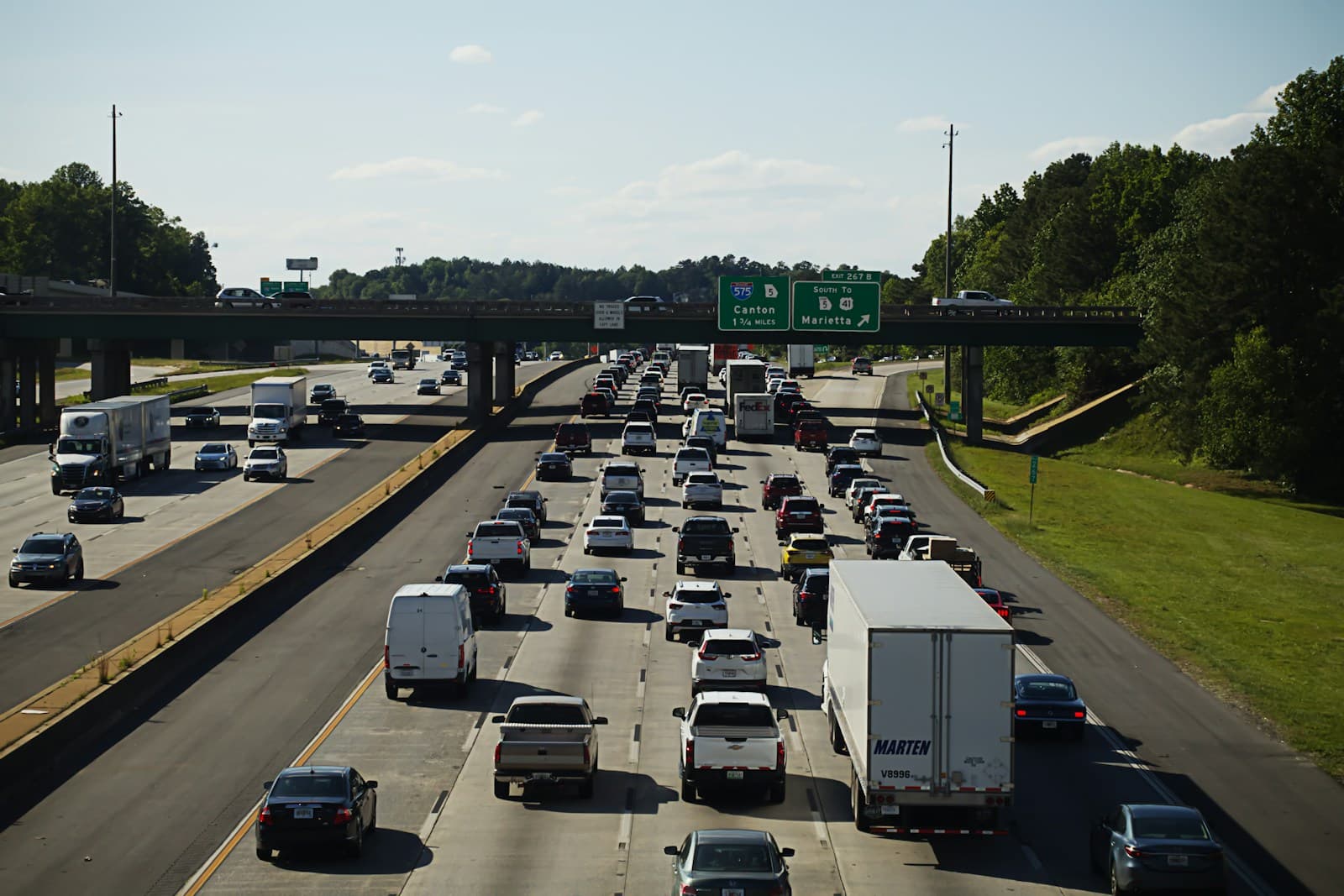
- TV Highway and U.S. 26 Corridor Traffic: OR-8 (TV Highway) and U.S. 26 carry heavy commuter traffic through Hillsboro, with frequent congestion near Intel campuses and downtown intersections. High-risk drivers face steeper premiums in these corridors due to elevated accident frequency during peak hours, particularly in wet conditions common September through May.
- Washington County Court System: DUI and reckless driving cases in Hillsboro are processed through Washington County Circuit Court in Hillsboro. Conviction timing affects SR-22 start dates—your 3-year requirement begins from the DMV suspension date, not the court conviction date, which can differ by weeks or months.
- Intel and Tech Sector Commuter Density: Hillsboro's status as Oregon's sixth-largest city and home to Intel's largest site creates dense commuter traffic patterns. High-risk drivers working swing or night shifts at tech campuses may see slightly lower premiums if they can document off-peak driving patterns to insurers.
- Rural-Urban Interface Accident Patterns: Hillsboro's western edge transitions quickly into rural Washington County farmland. Speed differentials and poorly lit rural roads along Glencoe Road and Cornelius Pass Road contribute to higher collision rates, especially for drivers unfamiliar with these mixed-use areas.
- Winter Weather and Rate Impacts: Hillsboro receives 42+ inches of rain annually, with frequent winter ice events affecting west-side Portland metro. High-risk drivers with at-fault accidents in adverse weather may face longer rate penalty periods, as insurers view weather-related collisions as preventable driver error.

Find out exactly how long SR-22 is required in your state
Coverage Recommendations
Cost estimates are based on available industry data and vary by driver profile. These are not insurance quotes.
SR-22 Insurance
Oregon requires SR-22 filing for 3 years following DUI convictions, suspensions for multiple violations, or driving uninsured. The certificate itself costs $25–$50 to file, but the underlying liability policy for high-risk drivers in Hillsboro typically runs $150–$350/month depending on violation severity and time elapsed.
$25–$50 filing + $150–$350/mo premiumEstimated range only. Not a quote.
Liability Insurance
Oregon mandates 25/50/20 minimums ($25,000 bodily injury per person, $50,000 per accident, $20,000 property damage). High-risk drivers in Hillsboro should consider 100/300/100 limits due to the city's tech workforce and higher vehicle values—underinsured claims are common in at-fault accidents involving newer vehicles.
Minimums add $90–$200/mo for high-riskEstimated range only. Not a quote.
Uninsured Motorist Coverage
With Oregon's uninsured driver rate near 13.5%, uninsured/underinsured motorist coverage is critical for high-risk drivers in Hillsboro who cannot afford to absorb another at-fault accident. This coverage protects you when hit by an uninsured driver, particularly important given your elevated premium—you cannot afford another rate spike.
+$15–$40/mo for 100/300 UM/UIMEstimated range only. Not a quote.
Non-Standard Auto Insurance
Non-standard carriers like Bristol West, Dairyland, and The General operate in Washington County and often provide lower rates than standard carriers for Hillsboro drivers with DUIs or multiple violations. These insurers specialize in high-risk profiles and offer flexible payment plans, though coverage options may be more limited than standard policies.
Often 15–30% lower than standard high-riskEstimated range only. Not a quote.