
Oregon SR-22 & High-Risk Auto Insurance
Oregon requires 25/50/20 liability coverage and is an at-fault state.
Free to compare
Oregon at a Glance
25/50/20
Minimum liability limits, in thousands of dollars (per person / per accident / property)
At-fault
The at-fault driver's insurance pays for the damage they cause
Required
PIP and Uninsured motorist coverage must be on every policy
$85
State license reinstatement fee
Source: state DMV, insurance department and statute records, verified July 2026
State Requirements
Drivers convicted of DUI, involved in at-fault accidents without insurance, or suspended for accumulating excessive violations must file SR-22 proof of financial responsibility with the Oregon DMV.
Liability Insurance
SR-22 Insurance
Personal Injury Protection (PIP)
Uninsured Motorist Coverage
Collision and Comprehensive
Cost Overview
$54/mo
Typical monthly rate in Oregon, non-owner policies
Rate data: Insure.com, 2026
What Affects Your Rate
- Type of violation: DUI surcharges are highest, followed by reckless driving, at-fault accidents, and multiple speeding tickets
- Time since violation: Most carriers reduce surcharges after 3 years and remove them entirely after 5 years
- SR-22 filing requirement: Limits carrier options to non-standard market, which has higher base rates
- ZIP code: Urban areas like Portland and Eugene have higher rates due to accident frequency and uninsured driver density
- Coverage limits: Non-standard carriers often require higher-than-minimum liability limits for SR-22 policies
- Vehicle type: Comprehensive and collision costs increase sharply for high-value or theft-prone vehicles in high-risk policies
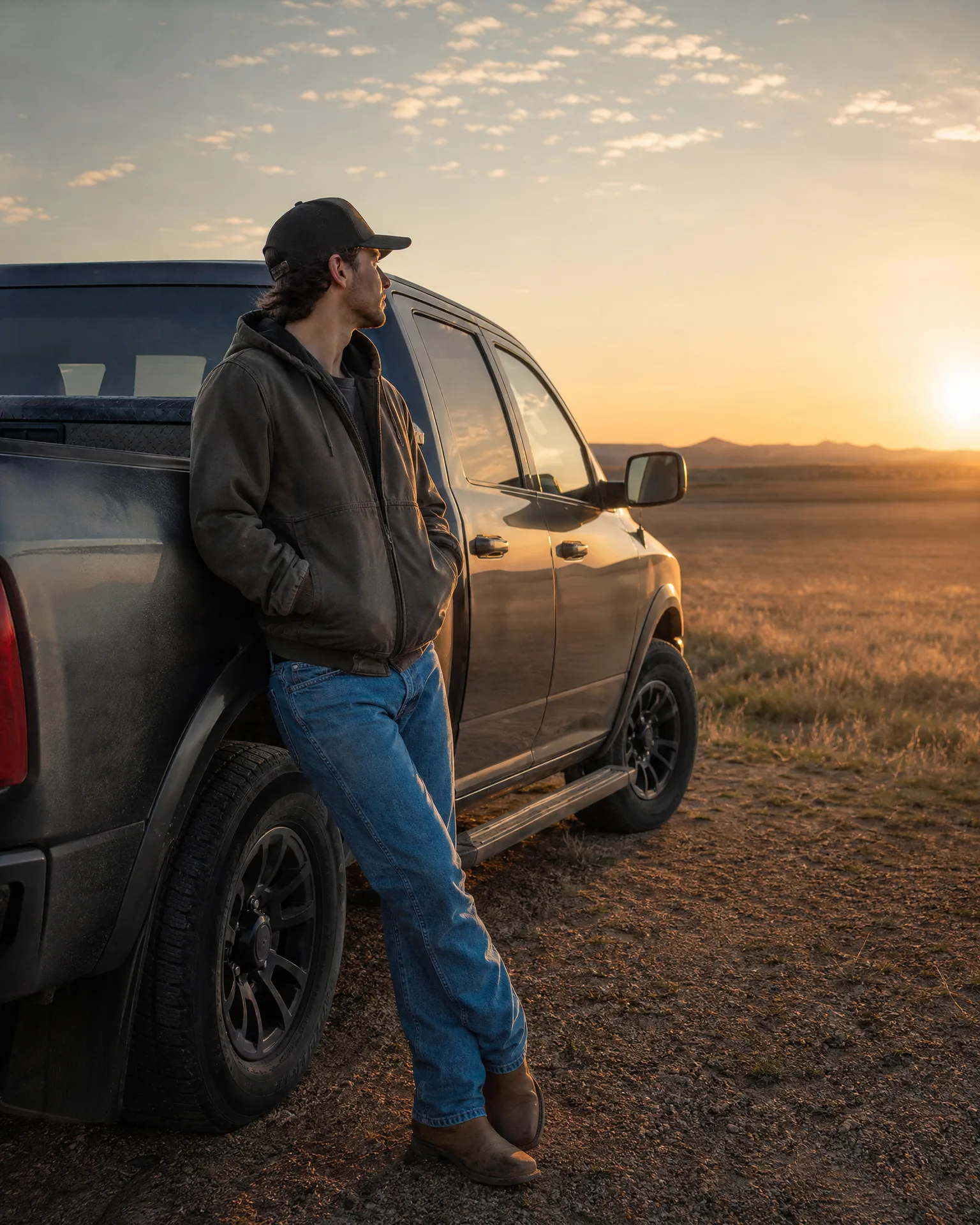
Stay Covered While You Drive Borrowed Cars
Find Coverage After ViolationsIf your license is suspended
Hardship Permit
application fee $75.
A coverage lapse is reported
The state can act when your insurance lapses.
Source: state DMV, insurance department and statute records, verified July 2026
Frequently Asked Questions
How long do I need SR-22 in Oregon after a DUI?
Oregon requires SR-22 filing for 3 years from the date your license is reinstated after a DUII conviction. The clock does not start until you pay all fines, complete diversion or treatment programs, and reinstate your driving privileges. Any lapse in coverage during the 3-year period re-suspends your license and restarts the requirement from zero.
Which insurance companies offer SR-22 in Oregon?
Non-standard carriers commonly offering SR-22 in Oregon include Progressive, The General, Bristol West, Acceptance Insurance, and Dairyland. Standard carriers like State Farm and GEICO occasionally file SR-22 for existing customers with a first offense, but most drivers with DUI or multiple violations must switch to non-standard insurers. Regional agencies specializing in high-risk coverage often have access to additional Oregon-licensed SR-22 carriers.
Do I need SR-22 for a reckless driving ticket in Oregon?
Oregon may require SR-22 for reckless driving if the conviction results in license suspension or if you accumulate excessive violation points leading to habitual offender status. The DMV sends a notice specifying SR-22 requirements when applicable. Not all reckless driving tickets trigger SR-22, but any suspension-related violation typically does, and the 3-year filing period begins at reinstatement.
Coverage Types
Liability Insurance
Covers injuries and property damage you cause to others. Oregon's 25/50/20 minimums are the legal floor, but high-risk drivers often carry 50/100/50 or higher to protect assets and meet non-standard carrier requirements.
SR-22 Filing
Certificate proving continuous coverage to the Oregon DMV. Required for 3 years after DUI, suspension, or uninsured accident. Any lapse re-suspends your license and restarts the clock.
Uninsured Motorist Coverage
Pays for your injuries and vehicle damage if you're hit by a driver without insurance or with insufficient limits. Oregon requires insurers to offer UM/UIM at the same limits as your liability coverage.
Personal Injury Protection (PIP)
Pays your medical bills, lost wages, and funeral costs regardless of fault. Oregon mandates $15,000 minimum PIP on all policies, including SR-22.
Collision Coverage
Pays to repair or replace your vehicle after an at-fault accident or single-car crash. Required by lenders if you finance or lease, but optional if you own outright.
Comprehensive Coverage
Covers theft, vandalism, weather damage, and animal strikes. Required by lenders, optional otherwise.