What Affects Rates in Fort Worth
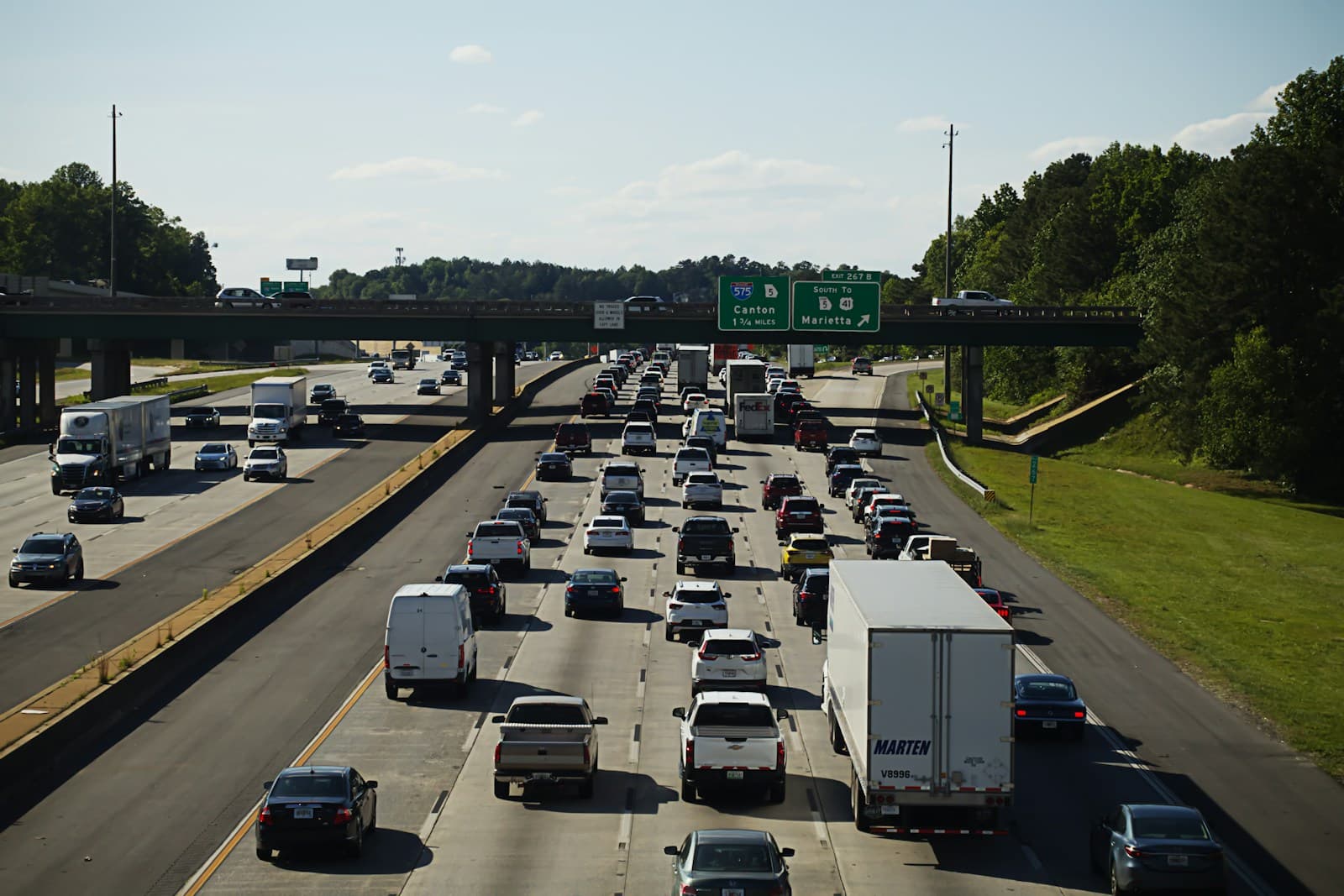
- I-35W and Loop 820 Congestion: Fort Worth's primary corridors—I-35W through downtown and Loop 820 circling the city—consistently rank among Texas's most congested, with accident clusters near the I-30 interchange and Hulen Street exits. High-risk drivers face steeper premiums due to elevated collision frequency in these zones, particularly during peak commute hours when rear-end and lane-change accidents spike.
- Tarrant County Uninsured Driver Rate: Approximately 14% of Tarrant County drivers operate without insurance, above the state average of 12%. This increases uninsured motorist coverage costs for high-risk drivers and raises the likelihood of at-fault claims going unpaid, which carriers price into premiums for drivers with existing violations.
- DWI Enforcement and Court Processing: Tarrant County's DWI courts and Fort Worth Police Department DWI Task Force result in frequent SR-22 filing requirements, with the county processing over 4,000 DWI cases annually. Carriers view Fort Worth ZIP codes as higher enforcement zones, which marginally increases underwriting scrutiny for drivers with alcohol-related violations.
- Severe Weather and Hail Frequency: Fort Worth sits in a high-hail corridor with frequent spring and early summer storms producing golf-ball-sized hail, particularly in northern and western neighborhoods. High-risk drivers carrying comprehensive coverage face higher premiums due to elevated claim frequency, especially if they also have an at-fault accident or violation on record.
- Non-Standard Carrier Density: Fort Worth's size and high-risk driver population support a robust non-standard insurance market, with regional carriers like Acceptance, Kemper, and Nacional actively underwriting SR-22 policies. This competition moderates premiums compared to smaller Texas cities where fewer carriers write high-risk business, giving drivers with DUIs or lapses more shopping options.

Find out exactly how long SR-22 is required in your state
Coverage Recommendations
Cost estimates are based on available industry data and vary by driver profile. These are not insurance quotes.
SR-22 Insurance
An SR-22 is a certificate filed by your insurer with the Texas DPS proving you carry at least state minimum liability. Required for 2 years after DUI, suspended license, or multiple violations, and for 3 years after repeat DUI. Filing costs $15–$50, but underlying premiums run $180–$320/month in Fort Worth due to high-risk classification.
$180–$320/mo + $15–$50 filingEstimated range only. Not a quote.
Liability Insurance
Texas requires $30,000 per person/$60,000 per accident for bodily injury and $25,000 for property damage. High-risk drivers in Fort Worth should consider higher limits—$50,000/$100,000/$50,000 or more—due to the city's congested highways and elevated uninsured driver rate, which increases exposure in multi-vehicle accidents.
$140–$280/mo for state minimum (high-risk)Estimated range only. Not a quote.
Uninsured Motorist Coverage
With roughly 14% of Tarrant County drivers uninsured, this coverage protects you when an at-fault driver cannot pay. Texas requires insurers to offer it, and high-risk drivers should accept it given Fort Worth's accident frequency on I-35W and Loop 820, where hit-and-run and uninsured claims are more common.
$25–$60/mo additional (high-risk rates)Estimated range only. Not a quote.
Non-Standard Auto Insurance
Non-standard policies are designed for drivers with DUIs, lapses, or multiple violations who cannot qualify for standard carrier rates. Fort Worth has strong non-standard market presence with carriers like Acceptance, Kemper, and Nacional, offering SR-22 filing and flexible payment plans tailored to high-risk profiles.
$180–$320/mo full coverage typicalEstimated range only. Not a quote.