What Affects Rates in Dallas
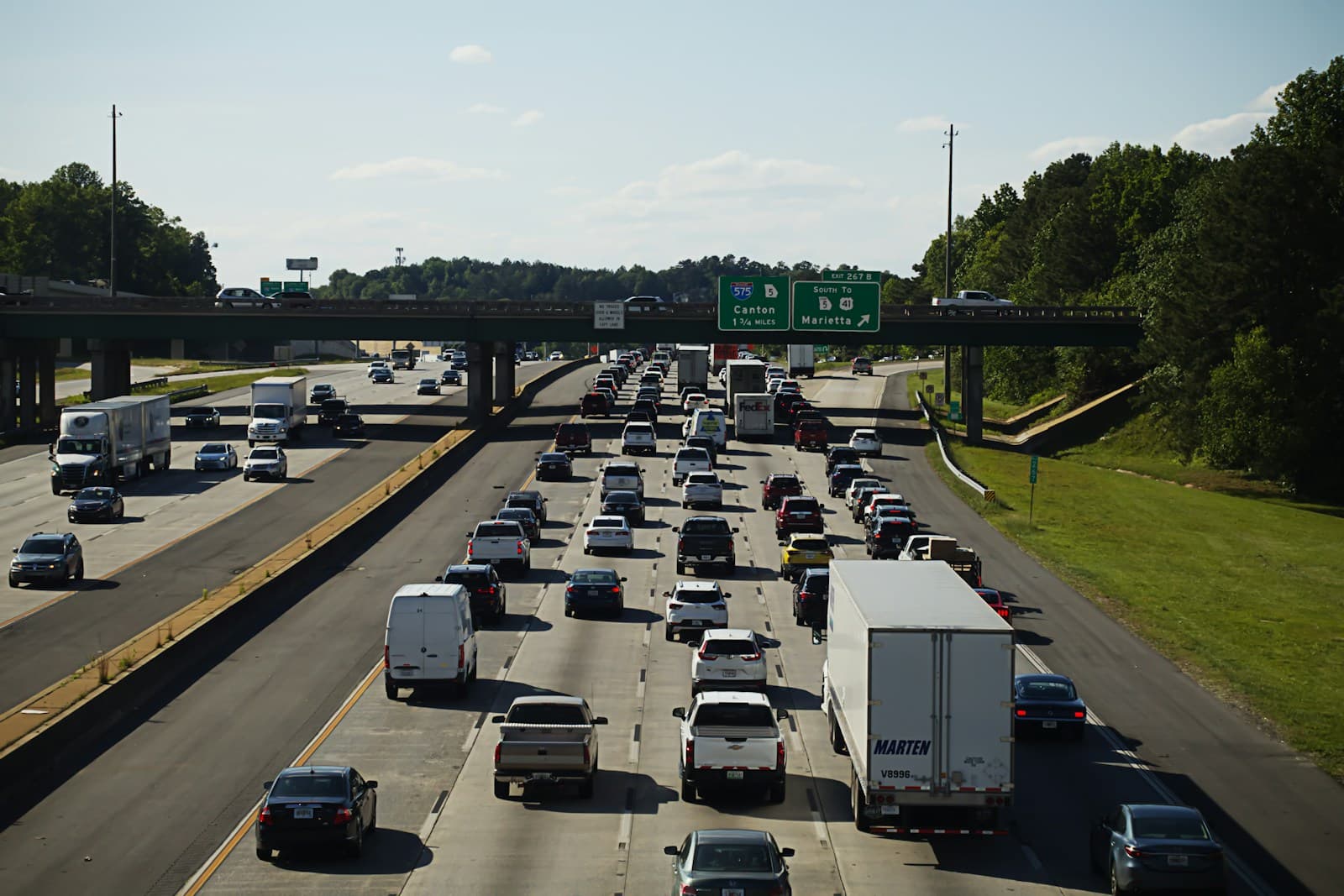
- Interstate Corridor Accident Density: I-35E through downtown Dallas and the Central Expressway (US-75) corridor register among the highest accident frequencies in Texas. High-risk drivers with at-fault accidents face elevated premiums due to these congestion patterns, particularly during rush periods between downtown and North Dallas suburbs.
- Dallas County Uninsured Motorist Rate: Dallas County consistently reports uninsured driver rates above the Texas state average of approximately 14%. Carriers price uninsured motorist coverage higher for high-risk drivers in this area, and many non-standard insurers require it as a condition of SR-22 policies.
- Municipal Court SR-22 Volume: Dallas municipal courts and Dallas County courts process high volumes of DWI and license suspension cases, creating a large pool of SR-22-required drivers. This market concentration supports multiple non-standard carriers operating locally, offering more options but also reflecting the area's enforcement intensity.
- Urban Density and Violation Frequency: Dense urban traffic in downtown, Uptown, and Deep Ellum areas increases the likelihood of moving violations and minor accidents. High-risk drivers operating in these zones face higher base rates due to frequency of claims, even for drivers with existing violations.
- Hail and Severe Weather Exposure: North Texas spring and early summer hail events affect comprehensive coverage pricing. High-risk drivers already paying elevated liability premiums see compounded costs if adding comprehensive coverage in Dallas ZIP codes with documented hail claim history.

Find out exactly how long SR-22 is required in your state
Coverage Recommendations
Cost estimates are based on available industry data and vary by driver profile. These are not insurance quotes.
SR-22 Insurance
Texas requires SR-22 filings for DWI convictions, at-fault accidents without insurance, license suspensions, and repeated violations. The filing itself costs $15–$50, but underlying high-risk premiums in Dallas run $200–$450/month depending on violation type and carrier. Coverage must remain continuous for 2 years; any lapse triggers a restart of the filing period and potential license re-suspension.
$200–$450/month including SR-22Estimated range only. Not a quote.
Liability Insurance
Texas minimum liability limits are 30/60/25 ($30,000 per person injury, $60,000 per accident, $25,000 property damage). High-risk drivers in Dallas often find non-standard carriers offering only state minimums initially, with premiums $150–$350/month. Given Dallas accident density, many agents recommend 50/100/50 limits if affordable, though this raises premiums an additional 15–25% for high-risk profiles.
$150–$350/month for minimum limitsEstimated range only. Not a quote.
Uninsured Motorist Coverage
Dallas County's elevated uninsured driver rate makes this coverage critical for high-risk drivers already facing financial exposure. Texas law requires insurers to offer UM/UIM coverage matching liability limits unless rejected in writing. Non-standard carriers in Dallas typically add $30–$70/month for minimum UM coverage on high-risk policies, and some require it as a policy condition for SR-22 filings.
$30–$70/month additionalEstimated range only. Not a quote.
Non-Standard Auto Insurance
Non-standard carriers dominate the Dallas high-risk market, serving drivers turned down by standard insurers. These policies often include higher down payments (25–50% of six-month premium), monthly payment fees, and stricter underwriting. Rates decrease over time as violations age off; a DUI's rate impact drops significantly after 3 years and falls off most pricing models after 5 years in Texas.
25–50% down payment typicalEstimated range only. Not a quote.