What Affects Rates in Irving
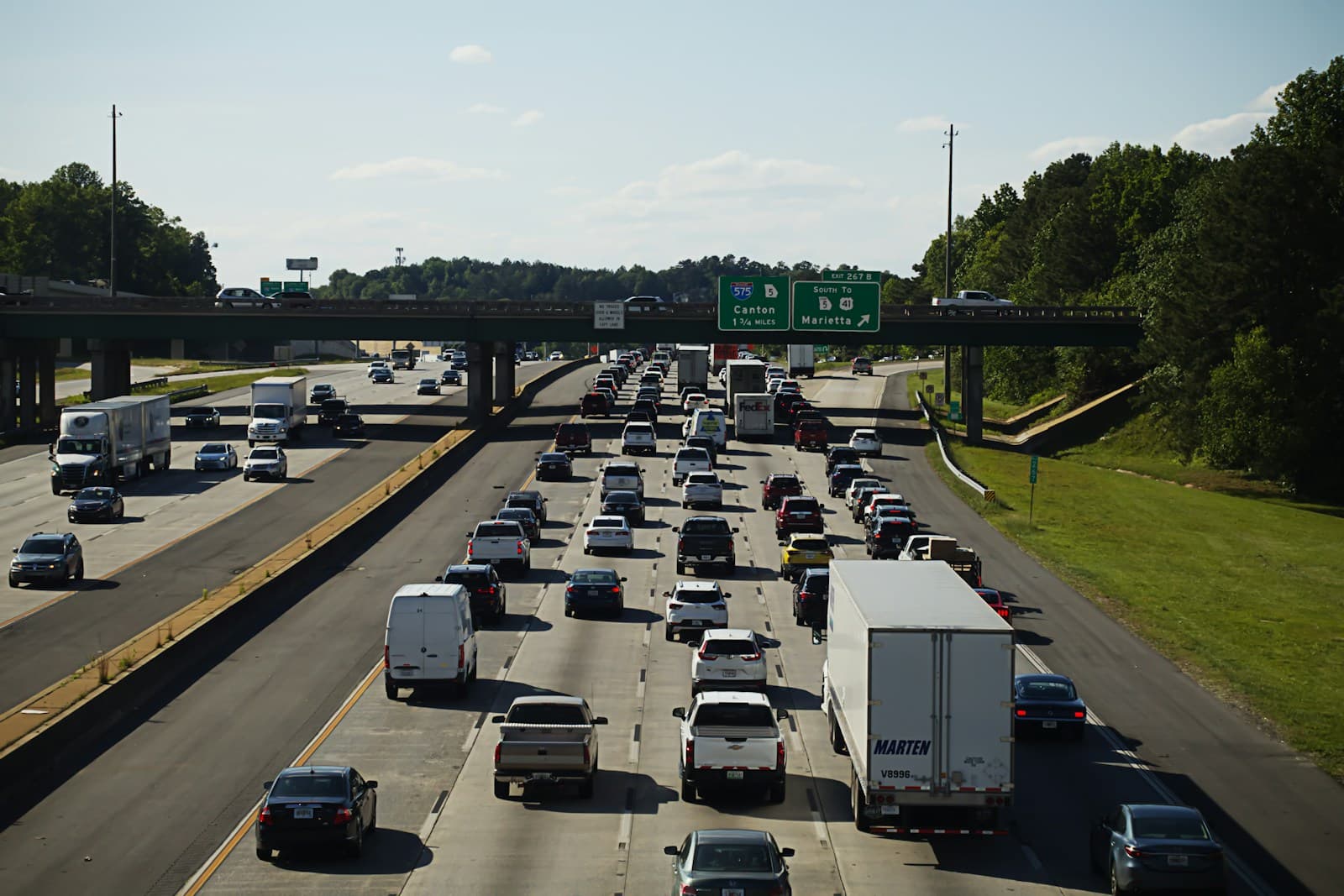
- DFW Metro Traffic Density: Irving sits at the intersection of I-635, State Highway 183, and I-35E — three of the Dallas-Fort Worth area's busiest corridors. High traffic volume increases accident exposure for high-risk drivers, and insurers price violations more aggressively in dense metro zones where repeat incidents are statistically more likely.
- Dallas County Court Processing: DUI and reckless driving cases processed through Dallas County courts trigger Texas DPS automatic SR-22 requirements. The county's court system typically finalizes convictions within 60–90 days, at which point your SR-22 filing period begins and insurers adjust rates accordingly.
- Las Colinas Corporate Corridor: Irving's Las Colinas area generates heavy weekday commuter traffic, increasing collision risk during peak hours. Drivers with at-fault accidents or violations in this zone may face slightly higher premiums due to elevated claim frequency in the 75039 and 75038 zip codes.
- DFW Airport Proximity: Irving borders DFW International Airport, creating constant heavy commercial and rental vehicle traffic on adjacent highways. This increases accident complexity and claim costs, which non-standard insurers factor into high-risk pricing for drivers in northern Irving zip codes like 75063.
- Texas Uninsured Motorist Exposure: The Dallas-Fort Worth region has an estimated uninsured driver rate near 14%, above the state average. For high-risk drivers already paying elevated premiums, uninsured motorist coverage becomes critical — a hit-and-run or collision with an uninsured driver won't further damage your record if you carry UM/UIM protection.
Find out exactly how long SR-22 is required in your state
Coverage Recommendations
Cost estimates are based on available industry data and vary by driver profile. These are not insurance quotes.
SR-22 Insurance
Texas requires SR-22 certification for DUI convictions, multiple violations, or driving without insurance. The SR-22 itself is a filing your insurer submits to Texas DPS confirming you carry at least 30/60/25 liability. You must maintain it for 3 years without lapses — any gap restarts the clock.
$25–$50 filing fee; underlying coverage $1,800–$3,600/yearEstimated range only. Not a quote.
Liability Insurance
Texas minimums are 30/60/25, but high-risk drivers should consider 50/100/50 or higher. At-fault accidents on your record make you a greater liability exposure, and minimum limits leave you personally liable for damages beyond policy limits in Irving's high-cost DFW metro environment.
Minimum coverage: $150–$250/mo for high-risk; higher limits add $30–$60/moEstimated range only. Not a quote.
Uninsured Motorist Coverage
With regional uninsured rates near 14%, UM/UIM coverage protects you when hit by uninsured or underinsured drivers. For high-risk drivers, a collision with an uninsured motorist can mean out-of-pocket costs and potential rate increases even when not at fault — UM coverage prevents both.
Adds $15–$40/mo to high-risk policiesEstimated range only. Not a quote.
Non-Standard Auto Insurance
Non-standard carriers specialize in high-risk profiles — DUIs, SR-22 requirements, multiple violations, or coverage lapses. They charge higher premiums but offer coverage when standard insurers decline. After 3 years with no new violations, you can often transition back to standard market rates.
Typically $1,800–$3,600/year based on violation severityEstimated range only. Not a quote.