What Affects Rates in Milwaukee
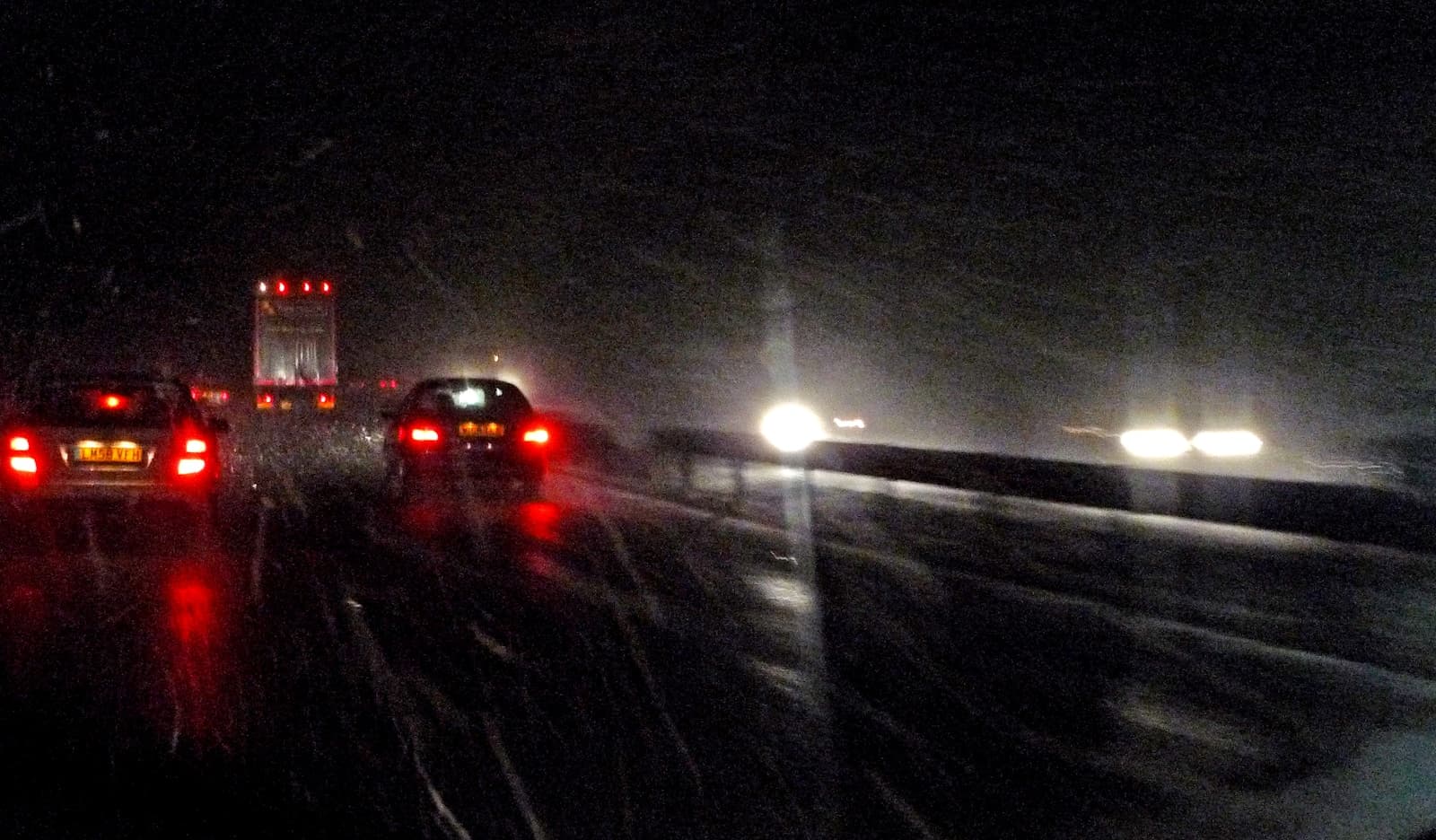
- Winter Weather Claims Frequency: Milwaukee averages 46 inches of snow annually, with ice and snow contributing to elevated collision rates from November through March. High-risk drivers face steeper winter-related surcharges here than in milder Wisconsin cities, as carriers price in historical claim frequency during freezing conditions.
- I-94 and Highway 41 Traffic Density: Milwaukee's position at the intersection of I-94 and Highway 41 creates high-traffic commuter corridors with elevated accident rates. Drivers with at-fault accidents or multiple violations see higher premiums in Milwaukee compared to less congested cities like Green Bay or Appleton.
- Milwaukee County Court System Processing Times: Milwaukee County handles high volumes of OWI and traffic violation cases, with processing times that can affect when SR-22 filing requirements officially begin. Carriers may delay coverage approval until the court formally orders SR-22, extending the period between conviction and reinstatement.
- Urban Uninsured Driver Concentration: Milwaukee's uninsured motorist rate tracks near 11% statewide average but concentrates in higher-density neighborhoods. High-risk drivers should prioritize uninsured motorist coverage, as collision with an uninsured driver can compound existing rate penalties.
- Non-Standard Carrier Availability: Milwaukee has better access to non-standard carriers and SR-22 specialists than rural Wisconsin markets, with regional insurers writing high-risk policies in the metro area. This competition can lower rates by $30–$80/month compared to single-carrier rural options.

Find out exactly how long SR-22 is required in your state
Coverage Recommendations
Cost estimates are based on available industry data and vary by driver profile. These are not insurance quotes.
SR-22 Insurance
Wisconsin SR-22 is a liability certificate filed by your insurer with the DMV proving you carry at least 25/50/10 minimums. Required for three years following DUI, reckless driving, or driving with suspended license — any lapse triggers license suspension and restarts the clock.
$25–$50 filing fee plus elevated premiumEstimated range only. Not a quote.
Liability Insurance
Wisconsin requires 25/50/10 minimums, but high-risk drivers in Milwaukee should consider 50/100/50 or higher — at-fault accidents with serious injuries on I-94 or city streets can exceed state minimums. Increasing limits adds $20–$50/month but protects against out-of-pocket exposure.
$120–$250/mo for state minimumsEstimated range only. Not a quote.
Uninsured Motorist Coverage
Covers injury and damage when hit by an uninsured driver, critical in Milwaukee where ~11% of drivers lack coverage. High-risk drivers can't afford another claim on their record — UM coverage protects you without raising your rates if you're not at fault.
$15–$40/mo added to policyEstimated range only. Not a quote.
Non-Standard Auto Insurance
Specialized carriers writing policies for DUI, multiple violations, or SR-22 requirements dominate Milwaukee's high-risk market. These insurers accept risk standard carriers reject, often with monthly payment plans and immediate SR-22 filing, though premiums run 60–150% higher than standard rates.
$180–$350/mo typical rangeEstimated range only. Not a quote.